Ugandan Ministry of Health Target's Increasing Access to Routine Immunization Services While Celebrating EPI@50 Details in.
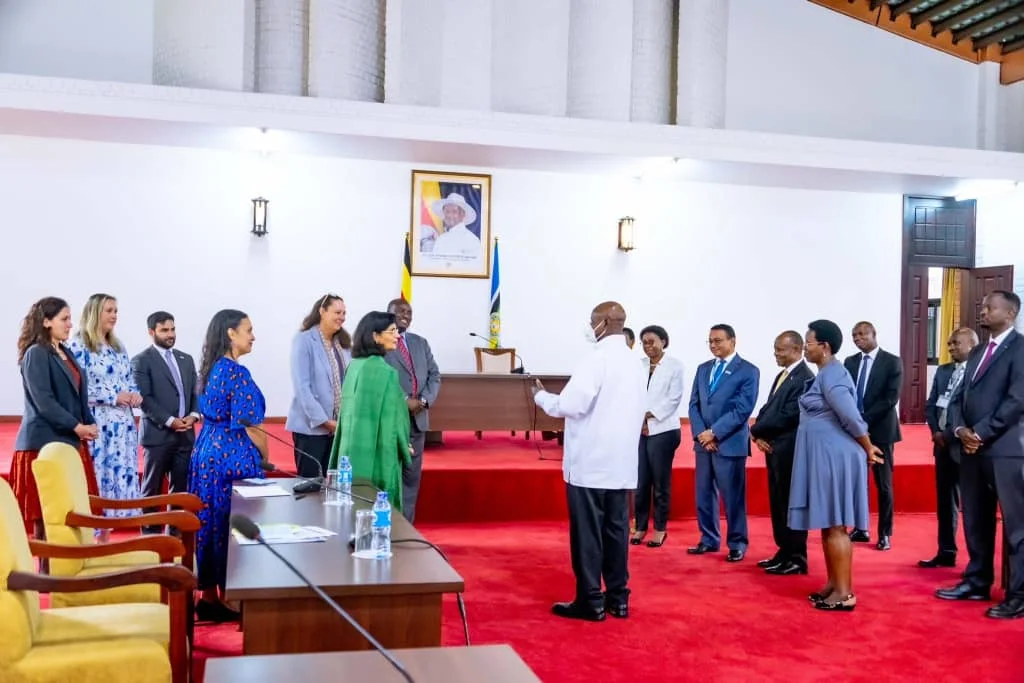
The Minister of Health, Hon. Jane Ruth Aceng, speaking to participants at Serena Hotel in Kampala during the celebrations of 50 years of EPI. According to the minister, The story of Uganda's immunization efforts is one of commitment, innovation, and partnerships that have transformed, the health and well-being of the people. Immunization has been at the forefront of disease prevention, saving millions of lives and significantly improving child survival rates. The Minister says that the 1980s marked a critical turning point for public health in Uganda with the launch of the Expanded Programme on immunization (EPI). The program targeted six vaccine-preventable disease, pertussis (whooping cough), measles, tuberculosis, diphtheria and tetanus. At the time, immunization coverage was low, and accessibility was limited, especially in rural and underserved areas. However, the seeds of a stronger health system were planted, and the government remained committed to expanding routine immunization services to all Ugandan children. The progress so far, is that in the 1990s , Uganda saw significant progress as the Country scaled up immunization services. "With improved cold chain systems and a growing number of health facilities providing vaccines, we began reaching more children and communities. This decade also witnessed the introduction of new vaccines, such as those for hepatitis B and Haemophilus influenza type b addressing additional critical health challenges" she said. Despite of the progress, challenges in access and coverage remained, particularly for children in hard-to-reach areas. This gap underscored importance of building resilient, equitable immunization system. The turn of millennium brought about one of the most transformative partnerships in Uganda's immunization story. the Global Alliance for Vaccines and Immunization (GAVI). GAVI's support, starting in the early 2000s , has been instrumental in strengthening Uganda's immunization services. "This collaboration enabled the introduction of life-saving vaccines such as the pneumococcal vaccine, which prevents pneumonia, and the rotavirus vaccine, which combats the diarrhea disease. Both are leading causes of death among children under five years of age" she stated.The Ministry of Health is ready to overcoming challenges by using different avenues. The last decade has been a period of unprecedented success in routine immunization. Uganda introduced the Human papillomavirus (HPV) vaccine in 2015, protecting young girls against cervical cancer. Additionally, with the global push, for universal health coverage, Uganda focused on reaching every child with vaccines, especially those in rural and underserved regions. The Country is introducing the Malaria vaccine into the routine immunization schedule in April 2025.One of the most significant impacts of GAVI's support has been in strengthening Uganda's health systems. From cold chain infrastructure to data management, GAVI has helped build the foundation for sustainable immunization services. Health worker training, community engagement, and innovations in service delivery have all contributed to improving vaccine coverage rates, especially in hard to reach and underserved populations. Through GAVI's health systems strengthening grants, Uganda has enhanced its ability to plan, monitor, and deliver vaccines efficiently. This has played a crucial role according to the minister in maintaining high coverage rates and addressing vaccine preventable diseases across the Country.The permanent secretary of the ministry, Doctor Diana Atwine, also delivered her statement. "I would like to extend my heartfelt gratitude to all stakeholders Who have contributed to Uganda's immunisation achievements over the past five decades. Our development partners include World Health Organization, UNICEF, GAVI,PATH,and many more have provided essential technical and financial support, enabling us to introduce new vaccines and enhance our healthcare systems." she said. Additionally, the permanent secretary said that the Ministry owe a debt of gratitude to communities and local leaders, who continue to play a vital role in promoting immunization and encouraging parents to ensure their children are fully vaccinated. By working together with the Ministry, Uganda will continue to build in the success so far made and sustain thr immunization efforts for future generations. Doctor Henry Mwebesa also added his voice to that of the minister and the permanent secretary said that immunization has been pivotal in significantly reducing child mortality and morbidity rates. It has also contributed to the decline of outbreaks of diseases like polio, measles, and neonatal tetanus. Over the past four decades, Uganda has made remarkable progress in its immunization progress. From the early days of Expanded Programme on immunization in the 1980s, which targeted six childhood diseases, to today's comprehensive schedule that includes vaccines for Hepatitis B, pneumococcal disease, rotavirus, and Human papillomavirus, Uganda had steadily expanded its immunization services. GAVI CEO , Doctor Sania Nishtar urged to trust the vaccinations because they are of a good quality and misinformation should be fought. 712 👁️ 👁️ views…

 Global