
By Ssemaganda Moses Hope | Journalist
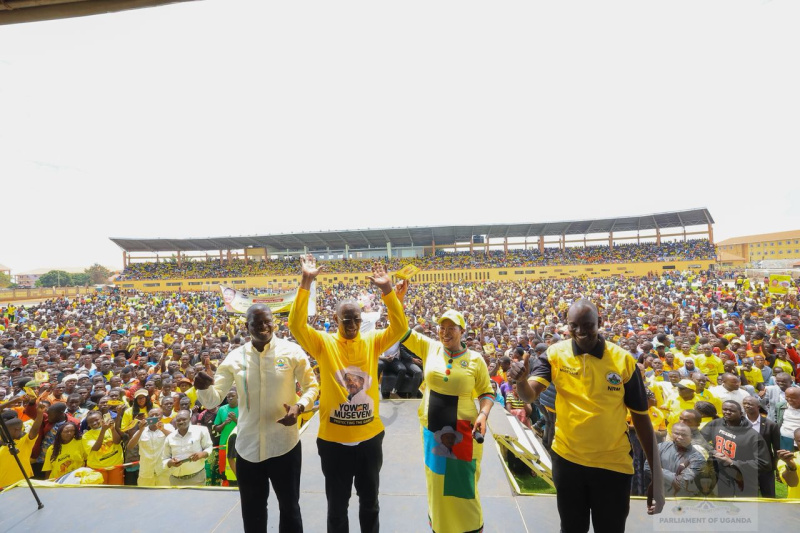
As Uganda moves closer to the 2026 general elections, the political atmosphere is heating up once again. Debates between supporters of the ruling National Resistance Movement (NRM) and the opposition, particularly the National Unity Platform (NUP), continue to dominate public and online discussions. While healthy political competition is part of any democracy, it is vital for the youth — who make up the majority of Uganda’s population — to reject violence and embrace peace.
1. The Power and Responsibility of the Youth
Uganda’s youth are the heartbeat of the nation. With over 70% of the population under 30, young people have the power to shape the country’s destiny. However, that power can only build the nation if it is used wisely. Riots and violent confrontations destroy the very opportunities that young people need to grow — jobs, education, and stability.
2. Lessons from Other African Nations
Ugandans must learn from the painful experiences of other African countries where political disagreements turned into devastating conflicts.
- In Libya, political divisions after the fall of Muammar Gaddafi led to years of war, leaving thousands dead and millions displaced.
- Sudan has been torn apart by rival political and military factions, turning what began as calls for reform into a humanitarian crisis.
- South Sudan’s independence was celebrated with hope, yet political rivalry quickly escalated into conflict, undoing years of progress.
These examples remind us that no country wins when its citizens turn against each other. Development, peace, and opportunity are always the first casualties of chaos.
3. Healthy Competition, Not Hostility
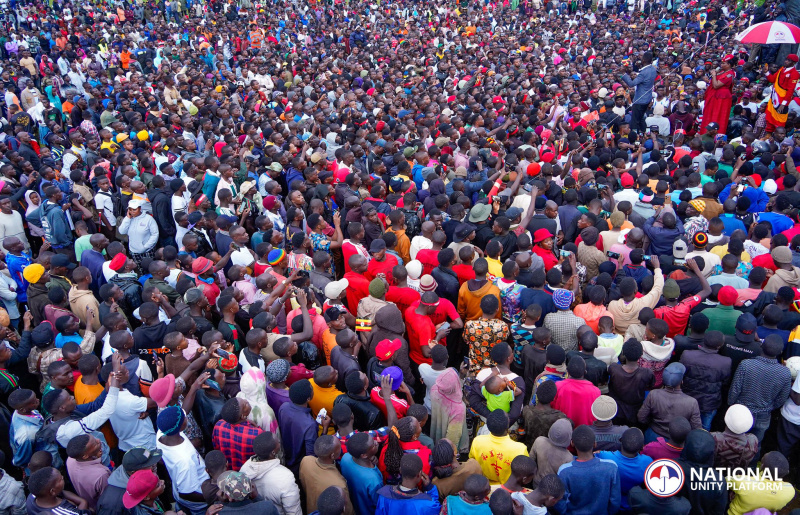
As Uganda prepares for elections, it is natural for the NRM and NUP, along with other political parties, to compete for leadership. That competition should remain peaceful, issue-based, and respectful. Political differences are healthy for democracy — violence is not.
Both parties and their supporters must remember that Uganda belongs to all of us, regardless of political color. When we destroy property or fight each other in the name of politics, we harm the same nation we claim to love.
4. The True Path to Change
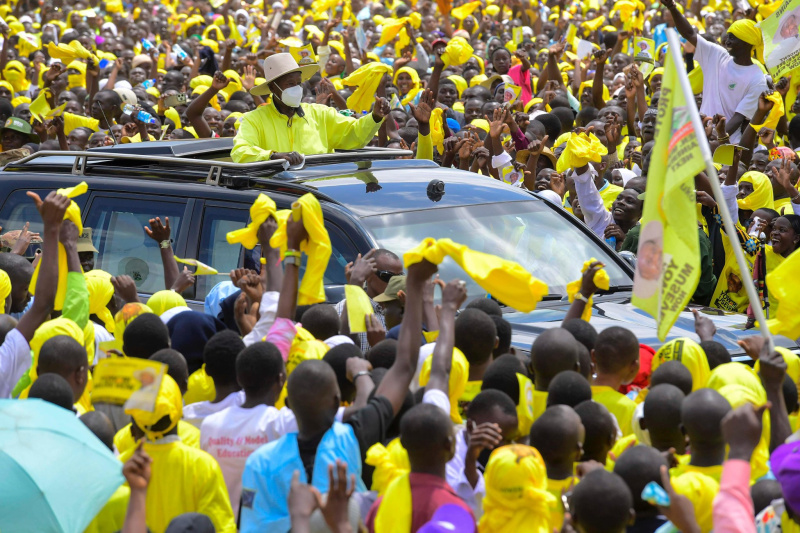
For young people eager for a better Uganda, the most powerful tools are not stones or riots — they are the voter’s card, the voice, and the mind.
Engage constructively:
- Register and vote responsibly.
- Use social media to promote truth and unity, not hate or rumor.
- Participate in community peace campaigns.
- Hold leaders accountable through lawful, peaceful means.
5. The Call for Peace
As 2026 draws closer, every Ugandan youth should become an ambassador of peace. Our future depends on maintaining stability and protecting lives. Investors, tourists, and opportunities all thrive where peace reigns.
Let’s not allow political excitement to drag us into destruction. Instead, let’s prove that Uganda’s youth are mature, informed, and peace-loving citizens ready to build, not burn.
Conclusion
Uganda’s story should not mirror those of nations that lost everything to political violence. We have the chance to show Africa — and the world — that democracy can thrive without bloodshed.
No matter which political party we support, Uganda comes first.
Let peace be our loudest campaign message as we head toward 2026.