Ssemaganda Moses Hope

Ssemaganda Moses Hope

Journalist at Kampala Media TV

849 published articles


Articles by Ssemaganda Moses Hope

Showing 100-110 of 849 articles
Minister Muyingo Releases UVTAB Results as 14,382 Candidates Attain Full Competence Education

Minister Muyingo Releases UVTAB Results as 14,382 Candidates Attain Full Competence

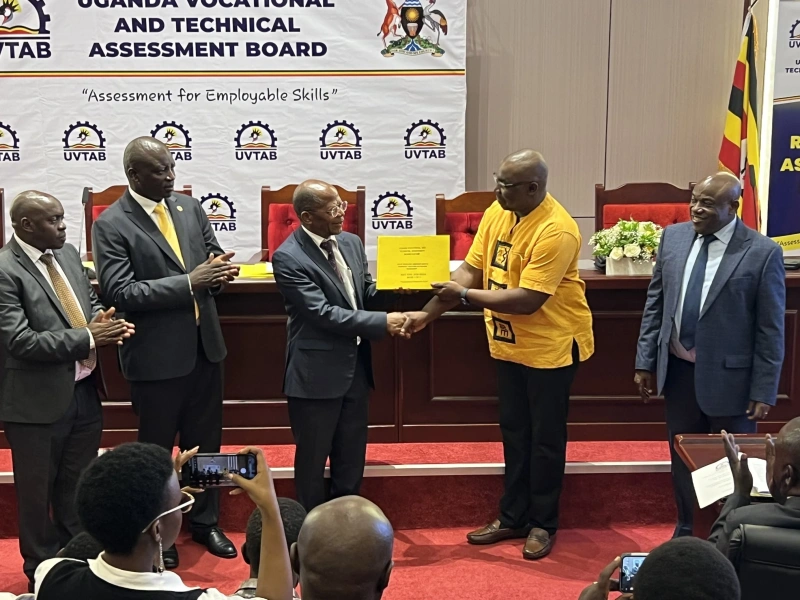
 KAMPALA — The Acting Minister of Education and Sports, Hon. Dr JC Muyingo, has released the May/June 2026 Uganda Vocational and Technical Assessment Board (UVTAB) End-of-Course/Programme Assessment Results, with the exercise recording increased participation and strong levels of competency acquisition among candidates. Minister Muyingo released the results on Wednesday, September 16, 2026, at the UVTAB Secretariat, where he commended the Board and its technical team for strengthening Uganda’s vocational assessment system and encouraged more Ugandans to embrace Technical and Vocational Education and Training (TVET).A total of 17,262 candidates registered for the assessment series, while 17,038 sat for the examinations, representing a 99 percent attendance rate. Of those assessed, 14,382 candidates, equivalent to 84.4 percent, acquired full competencies, while 2,656 acquired partial competencies. The Minister noted that the growing participation of both female and male trainees reflects increasing interest in TVET as an important pathway for acquiring practical skills, employment and enterprise development.He urged the Ministry’s technical leadership to strengthen career guidance in schools so that learners and parents are better informed about the opportunities available through vocational and technical education.Minister Muyingo reaffirmed Government’s commitment to positioning TVET at the centre of Uganda’s human capital development and economic transformation agenda, particularly in priority areas such as agro-industrialisation, manufacturing, tourism and services. He also highlighted Government support for trainee sponsorship programmes, including special opportunities for female trainees and persons with special abilities in critical areas such as manufacturing, construction and hospitality.The Minister said Government is also working to expand access to lower-level TVET programmes by providing opportunities for trainees to study selected programmes free of charge, particularly targeting young people. He further commended UVTAB for working with employers and other stakeholders to ensure that training and assessment respond to actual labour-market needs. UVTAB Board Chairperson Assoc. Prof. Dorothy Okello said the May/June assessment was successfully conducted between May 15 and June 12, 2026, across 260 assessment centres.Prof. Okello said 17,262 candidates registered, representing a 61 percent increase from the 10,735 candidates registered during the comparable May/June 2025 assessment series.She welcomed the steady increase in female participation and improvement in their performance, describing the trend as important to making TVET a pathway of opportunity for Ugandans regardless of gender. She also noted that UVTAB has operationalised guidelines to support the assessment of candidates with special needs and refugees, enabling them to participate through appropriate accommodations.According to Prof. Okello, the Board has continued to strengthen industry alignment through the review of 31 curricula and 22 Assessment Training Packages. Seventeen of the reviewed programmes have already been approved by the TVET Council for Level 4 trainees under Uganda Technical Colleges.She said UVTAB is also benchmarking its assessment standards internationally and engaging with institutions and global skills platforms to ensure Ugandan graduates can meet both local and international standards.Prof. Okello further highlighted progress in the construction of the UVTAB Printery Warehouse and Logistics Hub in Namanve, which is expected to support secure production and management of assessment materials and contribute to the country’s wider skilling agenda.UVTAB Executive Secretary Oyesigye Onesmus (CPA) said the May/June assessment was supported by strengthened quality assurance measures covering test-item development, moderation, registration, assessment administration, marking and processing of results.He explained that UVTAB deployed supervisors and scouts, conducted industrial training inspections and on-the-spot practical assessments, and carried out marks verification and adjudication to safeguard the credibility and accuracy of the results.Oyesigye said the high attendance recorded during the assessment demonstrated strong candidate participation and effective mobilisation across the assessment centres.He also highlighted UVTAB’s partnership with Uganda Prisons Service to assess and certify skills acquired by inmates, including juveniles in remand homes, as part of efforts to ensure that disadvantaged groups can have their skills formally recognised.  The Executive Secretary commended assessment area coordinators, scouts, supervisors, training providers, security agencies, employers and other stakeholders for supporting the successful administration of the assessment.Minister Muyingo congratulated candidates who successfully acquired the required competencies and encouraged those with partial competencies to use the next available assessment opportunity to perfect their skills.  The Minister also congratulated the UVTAB Board and Secretariat for their continued work towards building a credible, inclusive and industry-responsive assessment system capable of producing a skilled workforce for Uganda’s development.
Minister Muyingo Releases Health Professional Assessment Results as 89,663 Students Undertake National Exams Education

Minister Muyingo Releases Health Professional Assessment Results as 89,663 Students Undertake National Exams

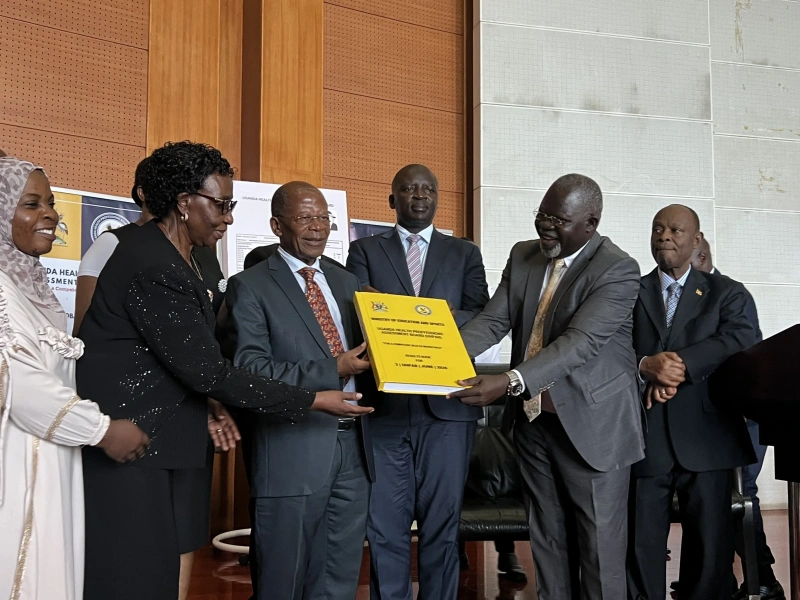
 Acting Minister of Education and Sports Dr. JC Muyingo today released the latest national health professional assessment results during a ceremony held at the Office of the President in Kampala, with 89,663 students from 223 institutions across Uganda having participated in the assessment cycle.The release of the results marks another significant step in strengthening Uganda’s health professional training and assessment system following the integration of health professional examining bodies under the TVET Act 2025.  Of the 89,663 students assessed, 75,577 students, representing 84.3 percent, were continuing students, while 14,086 students, equivalent to 15.7 percent, were final-year candidates. The examinations were conducted from June 15 to 26, 2026, across institutions throughout the country.UHPAB Secretary-General Hellen Mukakarisa Kataratambi said the final examination group comprised 8,969 certificate students and 5,117 diploma students, with certificate candidates recording stronger performance than their diploma counterparts in the latest assessment cycle. She explained that UHPAB is undertaking research to better understand some of the challenges affecting students who progress from certificate to diploma programmes. Among the factors being examined are family and social responsibilities, including marriage, which can affect students’ ability to continue with their studies. Mukakarisa also noted encouraging performance in several health-related disciplines, including nursing, laboratory sciences and midwifery, while programmes such as clinical medicine and pharmacy require continued attention to ensure learners attain the professional competencies expected in the health sector.Dr Muyingo congratulated the students who successfully completed their assessments and commended them for choosing careers in the health sector. He noted that the number of students pursuing health-related programmes has continued to grow compared with the previous year, reflecting increasing interest in professional health training. The Acting Minister said the growth in enrolment must go hand in hand with quality assurance. He directed authorities responsible for licensing training institutions to ensure that only institutions meeting the required standards are allowed to train health professionals.He stressed that institutions must have the necessary infrastructure, equipment, teaching personnel and other requirements before receiving licences to operate, noting that Government’s priority is to ensure that increased access to education produces competent and professional graduates. Dr Muyingo further warned against examination malpractice, saying students involved in cheating should not expect leniency as Government continues to protect the credibility and integrity of Uganda’s assessment system.UHPAB Chairperson Alfred Driwale said the board has introduced a new transcript following the integration of the health professional examining bodies. The new transcript is expected to provide a more unified and secure record of students’ academic and professional assessment, with measures intended to prevent forgery and manipulation.  The Chairperson of Parliament’s Education Committee and Member of Parliament for Kibale County, Eng. Cuthbert Abigaba Mirembe, urged successful candidates to prepare for a competitive labour market by combining academic knowledge with professionalism, commitment, integrity and dedication to service.  The release of the results comes as Government continues to strengthen quality assurance, assessment and regulation across Uganda’s health professional education sector. With 89,663 students assessed in 223 institutions, the latest cycle demonstrates the expanding scale of health professional training while reinforcing the importance of maintaining high standards across institutions training Uganda’s future health workforce.

Makerere University Climbs 295 Places in Global Rankings as Research and Academic Reforms Gain Momentum Education

Makerere University Climbs 295 Places in Global Rankings as Research and Academic Reforms Gain Momentum

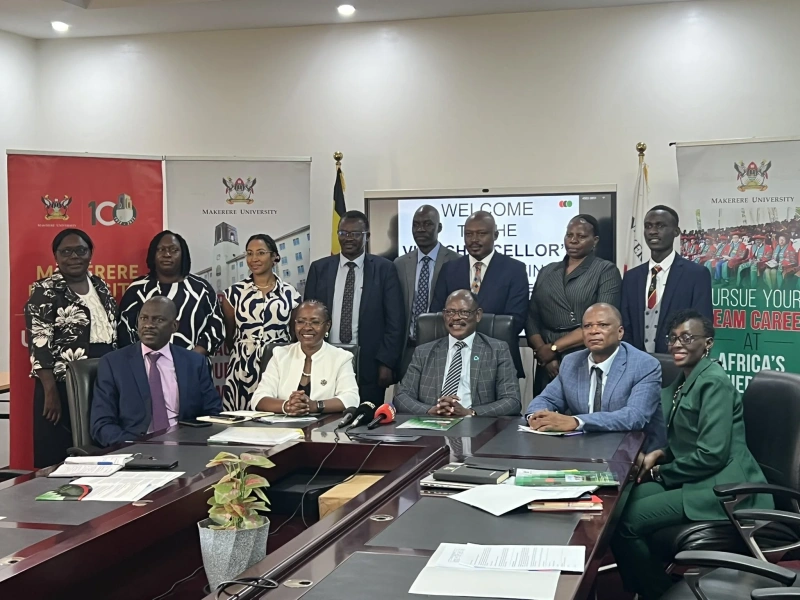
 Makerere University has recorded a significant improvement in its global standing, climbing 295 places in the July 2026 Webometrics Ranking of World Universities, in what Vice Chancellor Prof. Barnabas Nawangwe has described as part of the institution’s continued transformation into a leading research-driven university.Addressing journalists at the Vice Chancellor’s Boardroom on Tuesday, 15 September 2026, Prof. Nawangwe said Makerere University had risen from 1,071st position globally in the 2025 rankings to 776th in the July 2026 edition.  The latest performance also represents a notable improvement from the January 2026 rankings, when Makerere was ranked 925th globally and 13th in Africa. In July, the University moved to 11th position in Africa, while retaining its position as the top-ranked university in Uganda and East Africa.Prof. Nawangwe attributed the progress to stronger visibility and performance in research and the University’s digital academic presence, particularly through scholarly publications and online platforms.  The University’s Impact Rank, which measures the external domains linking to Makerere, improved from 1,593 to 1,185, while its Excellence Rank, which measures the institution’s research papers among the top 10 per cent most cited publications between 2019 and 2023, improved from 1,095 to 715.The Vice Chancellor said Makerere will continue strengthening its online academic and research presence through journals and other scholarly platforms as it builds an institution increasingly defined by research, innovation and global visibility.  The improvement in rankings comes alongside a broader institutional drive to strengthen academic progression and ensure that more postgraduate students complete their Master’s and PhD studies within the expected time.Prof. Nawangwe said the University was moving away from relying mainly on graduation statistics to identify completion challenges after they have occurred, and was instead introducing a digital tracking framework that will continuously monitor postgraduate students from enrolment through to completion.  The framework will place accountability at four levels, involving the student, supervisor or graduate coordinator, college or school, and the Directorate of Graduate Training together with University Management.Under the approach, Makerere is adopting the guiding principle of “TRACK – SUPPORT – ACCOUNT – COMPLETE”, aimed at tracking student progress, providing support when challenges emerge, strengthening accountability and increasing the number of students completing their studies on time while maintaining the required academic standards. The University has already recorded steady growth in postgraduate graduations over the past four years. Postgraduate graduands increased from 1,588 at the 73rd Graduation Ceremony in 2023 to 1,874 in 2024, 2,199 in 2025 and 2,922 at the 76th Graduation Ceremony in 2026.Beyond postgraduate training and research, Makerere has also completed admissions for the 2026/2027 academic year, enrolling 25,832 students. Of these, 2,169 have been admitted on government sponsorship, while 23,663 are on private sponsorship.  The University Council has also approved the reintroduction of supplementary examinations, providing qualifying students with a limited opportunity to address marginal academic shortfalls while maintaining the academic standards required for University awards.Under the new policy, one supplementary examination session will be conducted annually at the end of Semester Two and before the beginning of the following academic year.Makerere’s research agenda is also expanding into practical solutions to some of the country’s urban and environmental challenges. Researchers and partners have launched the FLOWERS Project — Facilitating Local Organic Waste Exchange for Regenerative Systems — which seeks to transform restaurant food waste in Kampala into animal feed and organic fertiliser.Led locally by Associate Professor Charles B. Niwagaba, the two-year project running from 2026 to 2028 will map food-waste flows within the Greater Kampala Metropolitan Area and test ways of directing more source-separated restaurant waste to farmers, while assessing both the material and financial value generated along the chain.The project was launched in Kampala on 10 September 2026, reinforcing Makerere’s ambition to translate research and innovation into practical solutions for communities and the wider economy. Meanwhile, the University is preparing for its sixth Makerere University Marathon, scheduled for Sunday, 27 September 2026 at Freedom Square. Organised through the Makerere University Endowment Fund, the marathon will bring together students, staff, alumni, partners and members of the public, with proceeds directed towards supporting the Disability Support Centre.The University will also host its annual Guild Medical Camp from 17 to 18 September 2026 at Freedom Square, offering free essential and specialised health services to students, staff and the surrounding community.  The latest developments present a University simultaneously strengthening its global academic visibility, improving student progression, expanding research and innovation, and increasing its contribution to society.  As Makerere continues to position itself as a research-led institution, the latest Webometrics rise provides a strong indicator of the growing international visibility of its academic and research work.

BREAKING: Pastor Bujjingo’s Salt TV Faces UCC Hearing Over Full Figure–Senkubuge Show Exposed

BREAKING: Pastor Bujjingo’s Salt TV Faces UCC Hearing Over Full Figure–Senkubuge Show

The Uganda Communications Commission (UCC) has summoned the Managing Director of Salt Television Ltd, commonly known as Salt TV, over alleged violations of minimum broadcasting standards and content regulations following a complaint filed by Miyingo Benson and Single Mothers Alliance Limited. The matter stems from content that was broadcast during the Salt TV morning programme featuring Full Figure and Senkubuge, which became the subject of a complaint lodged by Kasiko Advocates on behalf of Benson and Single Mothers Alliance Limited on 25 June 2026.In a letter dated 10 September 2026, UCC informed the Salt TV Managing Director that the Commission had scheduled a hearing for 21 September 2026 at 10:00am at UCC House in Bugolobi, Kampala, where the matter will be formally considered.  The Commission said the hearing follows an earlier meeting between the parties held on 21 August 2026 at UCC House. During that meeting, the complainants requested Salt TV’s response to the allegations so that they could file a rejoinder. UCC confirmed that the complainants have since filed their rejoinder with the Commission. For Benson and the Single Mothers Alliance Limited, the development marks an important stage in their pursuit of regulatory scrutiny over the content they complained about, particularly material aired during the Full Figure and Senkubuge morning show.UCC has directed Salt TV to attend the scheduled hearing and warned that failure to appear would not stop the proceedings. The Commission said it may proceed with the hearing and take appropriate regulatory measures in accordance with the Uganda Communications Act and the regulations made under it. The September 21 hearing is therefore expected to provide an opportunity for Salt TV to respond to the allegations while Benson and the Single Mothers Alliance Limited present their position before the communications regulator.The outcome of the UCC proceedings could determine whether any regulatory action is warranted over the disputed broadcast content.

MINISTER ACAN JOYCE RALLIES PWDs TO EMBRACE PDM  AND  SPECIAL GRANT WARNS CORRUPT OFFICERS DECRIES LACK OF RAMPS AT JINJA CITY HALL Featured

MINISTER ACAN JOYCE RALLIES PWDs TO EMBRACE PDM AND SPECIAL GRANT WARNS CORRUPT OFFICERS DECRIES LACK OF RAMPS AT JINJA CITY HALL

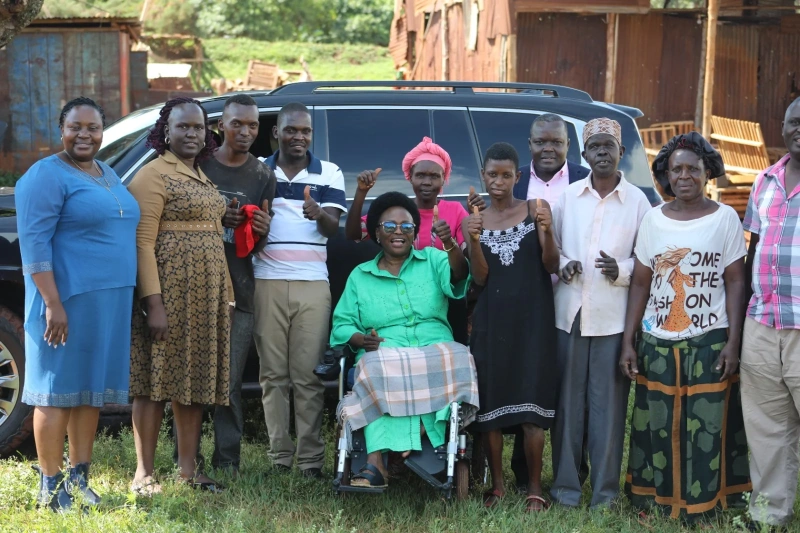
‎‎The Hon. Minister of State for Gender, Labour and Social Development in charge of Disability Affairs, Hon. Acan Joyce, has rallied Persons with Disabilities (PWDs) in Jinja City to fully embrace government economic empowerment programs – Emyooga and the Special Grant for PWDs – as a sustainable pathway out of poverty.‎‎Hon. Acan made the call during a high-level meeting with disability leaders in Jinja City. She was accompanied by the Assistant Commissioner in charge of Elderly and Disability Affairs, Ms. Emily Ajambo. The meeting was also attended by the Deputy Resident City Commissioner (RCC) and the Deputy Town Clerk, Southern Division.‎‎The meeting focused on economic empowerment and how PWDs can be supported to earn a decent living and become self-reliant.‎‎Hon. Acan underscored the need for intensive sensitization of PWDs on Emyooga and the Special Grant, stressing that the two programs were deliberately tailored by the government to help PWDs develop themselves economically and achieve self-reliance.‎‎“Emyooga and the Special Grant are good government programs that can help our people develop themselves if well utilized. I urge our leaders to go and sensitize our people more,” Hon. Acan said.‎‎She praised PWDs in Jinja who have embraced goat rearing and chicken rearing projects, noting that some started with a few birds or goats from the grant but have since multiplied their stock and are now earning a decent income.‎‎“What I have seen in Jinja is exemplary. You are not begging, you are working. You have proved that disability is not inability,” she said.‎‎In a firm warning, Hon. Acan cautioned Focal Point Persons and Community Development Officers against mismanagement and diversion of funds meant for PWDs.‎‎“I will not hesitate to have some of you arrested. I already have reports about some officers, and I have instructed police to commence investigations. A report must be submitted within two weeks, and those found culpable will be arrested,” Hon. Acan warned.‎‎Ms. Emily Ajambo reinforced the warning, calling for accountability and transparency.‎‎“These grants are a lifeline. Every shilling must reach the intended beneficiary,” Ms. Ajambo said.‎‎Meanwhile, Hon. Acan decried the lack of access ramps for PWDs at Jinja City Hall, describing it as discriminatory and unacceptable.‎‎She noted that the building  a key public facility is inaccessible to PWDs using wheelchairs and crutches.‎‎“I was annoyed to find that City Hall has no access ramps. How does a person in a wheelchair access these offices? This is discrimination. Public buildings must be accessible to everyone,” she said, directing the Town Clerk to install ramps immediately.‎‎Ms. Ajambo added that all public infrastructure must be inclusive by law and pledged to follow up to ensure compliance.‎‎Keneth Nuwagira;‎Press Secretary, Office of the State Minister for Gender Labour and Social Development in charge of Disability Affairs.

MPUMUDDE GIRLS' REHABILITATION CENTRE IN RUINS: HON. ACAN JOYCE SHOCKED AS GIRLS WITH DISABILITIES LIVE WITHOUT NURSE AND MATRON National

MPUMUDDE GIRLS' REHABILITATION CENTRE IN RUINS: HON. ACAN JOYCE SHOCKED AS GIRLS WITH DISABILITIES LIVE WITHOUT NURSE AND MATRON

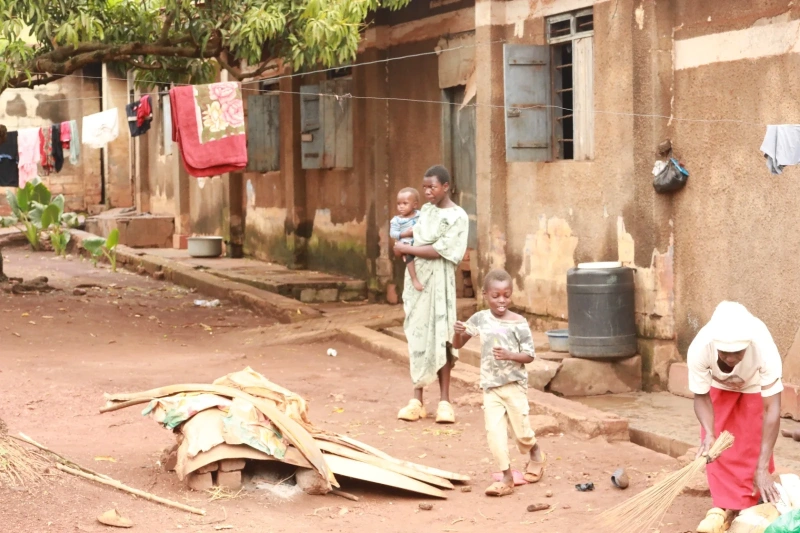
‎The Hon. Minister of State for Gender, Labour and Social Development in charge of Disability Affairs Hon. Acan Joyce Okeny, today commenced her nationwide tour to assess the condition of rehabilitation centers, with her first tour at Mpumudde Rehabilitation Centre in Jinja City, a special school facility that accommodates girls with disabilities.‎‎Hon. Acan was accompanied by the Assistant Commissioner in charge of Elderly and Disability Affairs, Ms. Emily Ajambo.‎‎What was meant to be a routine inspection turned into a moment of deep concern as the delegation was confronted with a facility in total ruin, evacuated and unfit for human habitation.‎‎The centre, which serves as both a school and a home for vulnerable girls with disabilities, was found with deep cracks in dormitory walls, heavily leaking roofs, broken windows, collapsing ceilings and severely weakened foundations. The structures were deemed so dangerous that management was forced to evacuate the learners after establishing that their lives were at immediate risk. The girls have since been temporarily shifted to a congested alternative facility nearby. ‎‎Hon. Acan and her team were visibly disturbed, walked through the deserted structures and described what she saw as heartbreaking and unacceptable.‎‎“What I have seen here at Mpumudde is heartbreaking. This centre is supposed to be a home of hope for our girls with disabilities, but instead it has become a death trap. No Ugandan child, regardless of their disability, should be forced to learn or sleep in such a deplorable and life-threatening environment,” Hon. Acan said.‎‎She pledged to lobby government for emergency funding to ensure the centre is comprehensively refurbished to a modern, dignified standard that can accommodate more students.‎‎In a more disturbing revelation, it emerged that the girls' facility has been operating without a school nurse and without a matron, making it extremely difficult for male instructors to manage the unique and sensitive needs of girls, especially at night and during emergencies.‎‎The School Instructor and Rehabilitation Officer, Mr. Kiyemba Steven, decried the poor living conditions, acute understaffing and lack of facilitation.‎‎“Hon. Minister, this is a girls' facility but we have no nurse and no matron. All of us here are male instructors. It becomes very difficult to handle girls' issues, especially at night when a girl falls sick. We appeal to the government to empower us so we can accommodate more girls and give them quality care,” Mr. Kiyemba pleaded.‎‎Speaking during the inspection, the Assistant Commissioner in charge of Elderly and Disability Affairs, Ms. Emily Ajambo, said the state of Mpumudde is a clear reflection of the long standing gaps in the rehabilitation sector that the Ministry is now determined to fix.‎‎“We have commenced this nationwide assessment to have a comprehensive, evidence-based status report on all rehabilitation centers. What we have seen at Mpumudde validates why this exercise is critical. These centres are central to our mandate of skilling, rehabilitation and inclusion of Persons with Disabilities,” Ms. Ajambo said.‎‎She emphasized that government policy requires all special facilities, especially those accommodating girls, to have mandatory safeguarding personnel including a matron and a resident nurse.‎‎“A girls' facility without a matron and without a nurse is a major safeguarding gap. It contravenes our care standards. As technical wing, we shall document this comprehensively and ensure that recruitment of essential staff and provision of instructional materials are prioritized in our next budget framework,” she added.‎‎Responding to both concerns, Hon. Acan Joyce assured the staff that she will personally raise the matter urgently in the Cabinet.‎‎“I have listened to Mr. Kiyemba and to the technical guidance of Commissioner Ajambo. How can a girls' school for children with disabilities operate without a nurse and without a matron? This is a very serious safeguarding issue. I will take this matter to Cabinet and lobby for emergency funding to ensure Mpumudde is fully refurbished, staffed with female caregivers and equipped,” Hon. Acan pledged.‎‎The nationwide assessment tour will continue to other regions in the coming weeks.‎‎Keneth Nuwagira, Press Secretary‎Office of the Hon. Minister of State for Gender, Labour and Social Development (Disability Affairs).

Hon Kalwanga Gives Busujju Residents Fresh Hope as Election Case Heads to Court This Week Political

Hon Kalwanga Gives Busujju Residents Fresh Hope as Election Case Heads to Court This Week

 Busujju Member of Parliament Hon. David Lukyamuzi Kalwanga has urged residents of Busujju to remain calm and confident as courts begin hearing election-related cases, with his case scheduled to come before the High Court in Mubende on Thursday, 17 September 2026. Kalwanga said he remains confident in the legal process and expressed optimism about the outcome of the case, encouraging his supporters to maintain hope as the matter progresses through the courts.In a message to the people of Busujju, Kalwanga thanked them for their continued support and confidence, while emphasizing the importance of allowing the judiciary to handle the dispute in accordance with the law. The case is expected to be heard at the High Court in Mubende on Thursday, 17 September, in what will be an important stage in the ongoing electoral dispute.Kalwanga also explained that court regulations may make it impossible for every supporter to attend the proceedings physically. He therefore urged residents not to feel compelled to travel to court, but instead to remain patient and follow developments through the appropriate channels. While expressing confidence in his legal position, Kalwanga encouraged his supporters to avoid confrontation and maintain peace throughout the court process.“We are more than conquerors, and I firmly believe that we shall emerge victorious and prevail,” Kalwanga said, while calling on the people to remain strong and united.He further appealed to residents to continue protecting one another, maintaining peaceful relations and respecting the judicial process as they await the court’s determination.The case comes at a time when courts across the country have begun handling election-related disputes arising from the electoral process, with candidates and other parties seeking judicial intervention to resolve contested matters.  For Busujju residents, Thursday’s proceedings are expected to draw significant attention as the dispute moves into another phase, with the court set to consider the matter and determine the way forward in accordance with the law.

Government Salutes Mother Mary Kevin’s Legacy of Faith, Education and Service National

Government Salutes Mother Mary Kevin’s Legacy of Faith, Education and Service

 The Government of Uganda has commended the enduring legacy of Mother Mary Kevin Kearney, recognising her remarkable contribution to education, healthcare, faith and compassionate service to communities in Uganda.The Acting Minister of Education and Sports, Hon Dr JC Muyingo, represented the Vice President of the Republic of Uganda, Rt. Hon. Maj. Jessica Alupo, at the 4th Mother Mary Kevin Memorial Lecture held on 11 September 2026, where he joined Catholic Church leaders, religious institutions, government representatives, members of the Friends of Mother Mary Kevin Association and other distinguished guests to celebrate the life and work of the Servant of God.The Government used the occasion to appreciate the Catholic Church fraternity and the Little Sisters of St. Francis for continuing to preserve and advance Mother Mary Kevin’s values, particularly her commitment to improving the lives of ordinary people through education, healthcare and social service. Mother Mary Kevin’s legacy remains deeply connected to Uganda’s development story, particularly through her emphasis on education as a powerful tool for transforming individuals and generations. Her work also demonstrated the importance of extending healthcare and compassion to vulnerable communities, principles that continue to resonate with Uganda’s development priorities today.  Speaking on behalf of the Friends of Mother Mary Kevin Association, the Acting Chairperson noted that the memorial lecture is not merely about remembering history, but about drawing inspiration from Mother Mary Kevin’s life and translating her values into meaningful service in contemporary Uganda.The association, inaugurated on 20 October 2007 by the then Vice President Prof. Gilbert Bukenya, was established to preserve and propagate Mother Mary Kevin’s legacy. Its continued activities have provided a platform for individuals and institutions inspired by her life to promote compassionate service and human dignity. The Government recognises that the contribution of the Catholic Church and its religious institutions to Uganda extends far beyond spiritual ministry. Over the years, the Church has been a longstanding partner in providing education, healthcare, social services and support to vulnerable communities, complementing Government efforts to improve the wellbeing of Ugandans. Dr Muyingo’s representation of the Vice President at the memorial lecture further reflected the Government’s appreciation of this longstanding partnership and its commitment to working with the Catholic Church and other faith-based institutions in advancing national development.The memorial lecture also provided an opportunity for stakeholders to reflect on the challenges facing society today, including access to quality education and healthcare, opportunities for young people and the protection of vulnerable people.  The Friends of Mother Mary Kevin Association has expressed determination to strengthen partnerships with Government, the Church, academia, the private sector, development partners and communities so that the values associated with Mother Mary Kevin can continue to produce practical and sustainable impact.The Government commends the Friends of Mother Mary Kevin Association, the Franciscan Missionary Sisters for Africa, the Little Sisters of St. Francis and all institutions and individuals who continue to keep her legacy alive.  As Uganda continues to pursue development that places human welfare and dignity at the centre, the life of Mother Mary Kevin remains a powerful reminder that meaningful transformation begins with a commitment to serve others.

Speaker Oboth Urges Ugandans to Protect Peace and Support Government Efforts National

Speaker Oboth Urges Ugandans to Protect Peace and Support Government Efforts

 Speaker of Parliament Rt. Hon. Jacob Markson Oboth has called on Ugandans to jealously protect the peace and stability the country has enjoyed, describing national peace as the foundation upon which meaningful development and social progress are built.  Oboth made the call while speaking at the burial of Dennis Wakula, son of the Bishop of Central Busoga Diocese, Rt. Rev. Patrick Wakula. He urged Ugandans to recognise the importance of stability and support efforts by the Government and other institutions aimed at maintaining peace across the country. The Speaker said the development witnessed in different parts of Uganda can only be sustained in an environment where citizens are able to live and work in peace. He noted that roads, schools, health facilities, businesses and other development programmes require a stable environment to deliver lasting benefits to communities. He credited the Government for its efforts in maintaining national peace and security, while cautioning that preserving stability should not be viewed as the responsibility of Government alone. According to Oboth, citizens, political leaders, religious leaders, cultural institutions and other stakeholders all have a role to play in protecting the country’s social fabric.He further encouraged Ugandans to respect and support leaders who have been elected by the people at different levels of governance, saying effective leadership requires cooperation between leaders and the communities they serve. Oboth stressed that national cohesion does not happen automatically but requires deliberate efforts from both citizens and leaders. He called for greater responsibility in public discourse and urged Ugandans to embrace issues that unite the country rather than those that deepen divisions.The Speaker’s remarks came as mourners gathered to bid farewell to Dennis Wakula, with the occasion also providing an opportunity to reflect on the values of unity, service and responsibility that remain important to the country’s future.  He said Uganda’s progress should be protected by ensuring that differences in political, social or other views do not undermine the broader national interest.Oboth also emphasised the importance of leaders remaining committed to serving their communities and working together with citizens to address challenges affecting them. He said the country’s future depends largely on the ability of Ugandans to preserve unity and stability while pursuing development. 

Government Expands Higher Education Access as 2,790 Students Secure Loans for 2026/2027 Featured

Government Expands Higher Education Access as 2,790 Students Secure Loans for 2026/2027

 The Government of Uganda, through the Ministry of Education and Sports, has approved 2,790 students to benefit from the Higher Education Students’ Financing Scheme (HESFS) for the 2026/2027 academic year, as part of continued efforts to expand access to higher education for academically qualified students from financially disadvantaged backgrounds.The successful beneficiaries were officially released on Thursday, September 10, 2026, at an event presided over by the Acting Minister of Education and Sports, Hon. Dr. J.C. Muyingo, who officially released the list of successful student loan beneficiaries under the 13th cohort of the Government Students’ Loan Scheme.  The latest cohort comes at a time when demand for government support for higher education continues to rise, with the Ministry receiving 10,615 applications compared to 7,125 applications in the previous academic year, representing a 48.9 percent increase.Speaking at the release, the Commissioner for Higher Education Students’ Financing Scheme, who represented the Permanent Secretary, commended the Government for sustaining the loan scheme as an important intervention in widening access to higher education, particularly for students who may otherwise be unable to meet the cost of university and other tertiary education.  Of the 10,615 applications received, 8,005 applicants were found eligible, while 2,610 applications did not meet the requirements. A significant number of the unsuccessful applications were attributed to incomplete submissions, with 1,452 applicants failing to provide all the required documentation.The selection of the 2,790 successful beneficiaries was undertaken using a three-tier model designed to promote fairness, geographical equity and consideration of financial vulnerability. Under the model, 30 percent of applicants were considered through the District Quota system, another 30 percent were allocated to districts and cities proportionate to their share of eligible applicants, while 40 percent were selected based on their socio-economic vulnerability.The Ministry said the approach has ensured representation from all parts of the country, including districts that have historically recorded low participation in the Students’ Loan Scheme such as Amudat, Buvuma, Kalangala, Karenga, Kotido and Moroto.The selection process was supported by the Integrated Loan Management Information System (ILMIS), which automatically generated applicants’ Proxy Means Test scores. The assessment considered socio-economic background, academic performance, household characteristics, vulnerability factors, disability, parental loss, geographical considerations and other affirmative-action factors.  The system-based process was designed to minimize human interference and strengthen transparency, accountability and fairness in determining beneficiaries.Of the 2,790 students selected, 1,400 are female, representing 50.2 percent, while 1,390 are male, representing 49.8 percent. A total of 2,019 beneficiaries will pursue undergraduate degree programmes, while 771 will pursue diploma programmes.The scheme has also increased support for Persons with Disabilities, with 64 students with disabilities among the successful beneficiaries. The beneficiaries will be able to pursue eligible Science and Humanities programmes under the provisions applicable to students with disabilities. Among the programmes attracting the highest number of beneficiaries are Bachelor of Science with Education, with 581 students, Engineering with 498, Computer Science with 313, and Health Care Management with 284 beneficiaries.The Government has set aside Shs10.720 billion for the first-year cohort. Although the original budget was planned to support 2,400 students, the Ministry will now support 2,790 beneficiaries, helped by the lower unit cost associated with the programmes taken by many of the successful applicants. The loans will cover tuition fees, functional fees and research fees payable to the respective tertiary institutions, as well as aids and appliances for eligible students with disabilities. The funds will be disbursed directly to participating institutions rather than being paid to individual students.The number of universities participating in the scheme has also increased from 25 in the 2025/2026 academic year to 33 this year, comprising 11 public universities and 22 chartered private universities, alongside other tertiary institutions offering approved diploma programmes. The Higher Education Students’ Financing Scheme was established under the Higher Education Students’ Financing Act, 2014, as amended in 2024, with a mandate to facilitate access to higher education for eligible Ugandan citizens at affordable rates.The scheme seeks to increase equitable access to higher education, support qualified students who cannot afford higher education, promote regional balance, support programmes considered critical to national development and maintain a sustainable revolving loan fund.  The Ministry has urged successful applicants to follow the communication from the Ministry regarding the next steps. Beneficiaries will receive notifications through SMS, the Ministry website and official social media platforms. They will subsequently be required to sign loan agreements, which will be administered through their respective institutions before funds are disbursed.The continued expansion of the Students’ Loan Scheme reflects Government’s broader commitment to ensuring that lack of financial capacity does not prevent deserving Ugandan students from acquiring higher education and the skills needed to contribute to national development. As the 13th cohort begins its journey, the Ministry of Education and Sports has congratulated all 2,790 successful beneficiaries and encouraged them to use the opportunity responsibly by pursuing their studies diligently and contributing to Uganda’s socio-economic transformation.

Government to Write Off Shs35 Billion Tea Factory Tax Arrears, Says Tayebwa Global

Government to Write Off Shs35 Billion Tea Factory Tax Arrears, Says Tayebwa

 The government is set to write off more than Shs35 billion in tax arrears owed by tea factories as part of a wider intervention aimed at reviving Uganda’s struggling tea industry, Deputy Speaker of Parliament Thomas Tayebwa has said.Tayebwa announced the development on Tuesday while representing President Yoweri Museveni at the burial of the late Mrs Edna Kentaro Baryaruha in Bushenyi District.He said the arrears will be waived as soon as Parliament resumes from recess.  The decision follows sustained efforts by Members of Parliament from Greater Bushenyi and other tea-growing areas to address challenges facing the sector.“The minister directed that, when we resume Parliament, we will write off tax arrears worth more than UGX 35 billion. I want to thank MPs from Greater Bushenyi who have worked hard on this issue,” Tayebwa said.The planned tax relief is expected to ease the financial burden on tea factories, some of which have struggled with accumulated debts and other operational challenges amid a prolonged crisis in the sector.  Tayebwa said the government was also working to streamline other issues affecting the management and operations of tea factories. He noted that accumulated tax obligations had become a major obstacle hindering the resumption of operations at some factories.“The other issues will also be streamlined to ensure that factories are run better,” he said.Tayebwa also revealed that the government is undertaking a deeper review of the tea sector to support long-term sustainability of the sector.  The announcement comes amid growing concern over the future of Uganda’s tea industry. Tea prices fell sharply in the past year as international demand weakened while large volumes of tea continued to enter the market, creating an oversupply that pushed auction prices down.Political and economic disruptions in key importing countries, including Sudan, further reduced demand for East African tea. Uganda, which relies heavily on the Mombasa auction and mainly produces CTC black tea, was particularly exposed to these market shocks.  The price slump has also been compounded by concerns over tea quality and rising production costs. High fertiliser and input prices have made it harder for farmers to properly maintain their plantations, affecting the quality and quantity of green leaf supplied to factories.When factories earn less from exports, their ability to pay farmers and meet operating costs is squeezed, creating a cycle of low farmer payments, declining investment in tea gardens and financial distress among processors.  But Tayebwa said the government has a bigger plan for the tea sector, which includes a Shs212 billion investment.The money, he revealed, has been earmarked for investment in the tea industry, but only factories that demonstrate that they are efficiently and effectively managed will qualify for the funds.President Museveni last year in Bushenyi, engaged tea farmers and processors over the crisis facing the sector.

© Copyright 2026, All Rights Reserved