Ssemaganda Moses Hope

Ssemaganda Moses Hope

Journalist at Kampala Media TV

849 published articles


Articles by Ssemaganda Moses Hope

Showing 89-99 of 849 articles
Minister Muyingo Eulogises Late Maama Namuswe Miriam, Calls on Parents to Prioritise Children’s Education National

Minister Muyingo Eulogises Late Maama Namuswe Miriam, Calls on Parents to Prioritise Children’s Education

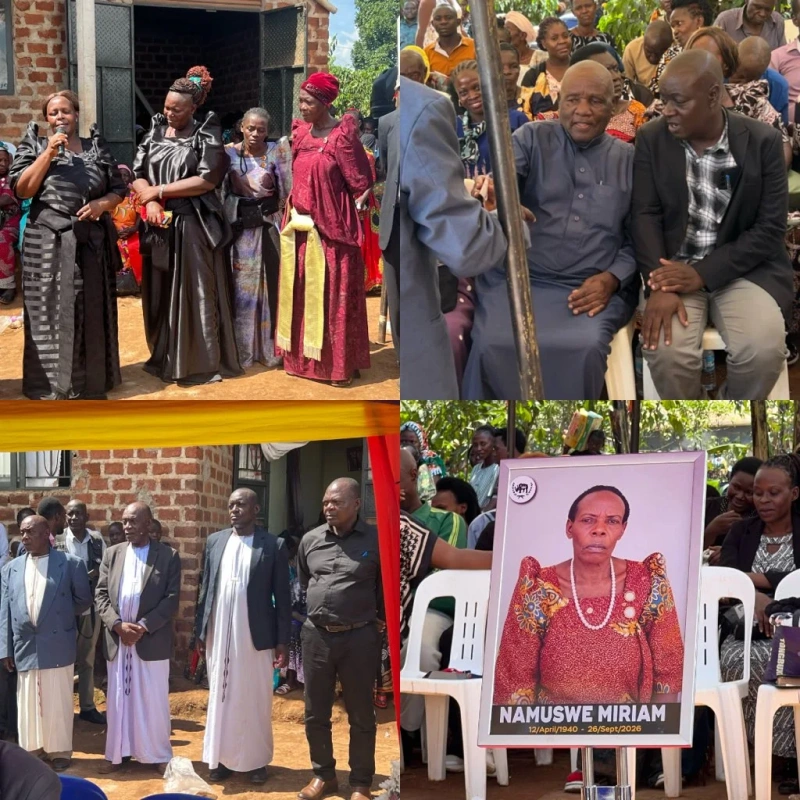
 Acting Minister of Education and Sports, Hon. Dr JC Muyingo, has eulogised the late Maama Namuswe Miriam, describing her as a mother who dedicated her life to raising her children and grandchildren in faith, promoting education and nurturing strong values within her family.Dr Muyingo’s message was delivered by his Personal Assistant, Wasswa Abdulkarim Tamale, during the funeral ceremony for the late Namuswe, who died at the age of 86.Maama Namuswe was born on 12 April 1940 and was the mother of Mpigi LC1 Chairman Mr Lule Wamu and Pastor Semwanga of Deliverance Church Kakoni, among other children.In his message, Dr Muyingo commended the deceased for raising all her children in the Christian faith and for consistently encouraging them to pursue education. He urged parents to embrace their responsibility in supporting and guiding their children’s education, noting that the foundation parents lay in their children has a lasting impact on their lives.  The Acting Minister also highlighted the deceased’s commitment to her faith and community, even in her advanced age.Among the incidents remembered by the family was her participation in a night prayer shortly before her death, where she spent time praising the Lord and interceding. She also participated in the National Cleaning Day activities in her area despite being 86 years old.Her children and grandchildren described her as a woman of exceptional love who treated people without discrimination and maintained a strong bond with members of her family and community.  Presidential Advisor Hon. Hajji Abdul Nadduli urged mourners to draw lessons from the life of the deceased, particularly the values of humanity and kindness that she passed on to her children.Nadduli encouraged the bereaved family and mourners to preserve and emulate the positive values that the late Namuswe left behind, saying her legacy should continue through the lives of her children and grandchildren. District Councillor Ahmed Kasibante commended people who continue to take an interest in the education of children, stressing the importance of ensuring that children remain in school and receive the necessary support to complete their education.The Mayor of Busiika Town Council also cautioned parents against neglecting their responsibility to take children to school, warning that parents who fail to fulfil their obligations regarding their children’s education could face legal consequences.The children of the deceased expressed appreciation to Dr Muyingo for the support and contribution he made to the family during their time of mourning. The family said the late Maama Namuswe’s legacy will remain defined not only by her longevity, but also by her faith, love for people, commitment to her community and the values she instilled in generations of her family.

Apostle Grace Lubega Challenges Grace Overflow Church to Embrace Identity, Unity and Spiritual Depth at 3rd Anniversary Featured

Apostle Grace Lubega Challenges Grace Overflow Church to Embrace Identity, Unity and Spiritual Depth at 3rd Anniversary

 KAMPALA — Grace Overflow Church has marked its third anniversary with a powerful celebration of worship, thanksgiving and reflection on its journey, as Apostle Grace Lubega of Phaneroo Ministries International challenged the church to move into a new season defined by spiritual depth, unity, clear identity and multiplication.  The anniversary celebration, held on Saturday at Nsambya Garden along Kevina Road, Ssendaula Lane in Nsambya, brought together the church community for an afternoon of worship and thanksgiving under the theme of “Together, Worship, Grow, Impact.” Apostle Grace Lubega was the guest speaker, alongside Minister Kidane, the ministry leader of Grace Overflow Church.In his message, Apostle Grace Lubega called upon the church and its members to resist the temptation to rush through their spiritual journey, compete with others or compare their ministry with other ministries.He instead urged believers to develop a culture of honour, emphasizing the importance of respecting and valuing every person regardless of their position, influence or size of ministry. “Don’t rush. Don’t compete. Don’t compare,” was among the key messages delivered by Apostle Lubega, as he encouraged the congregation to remain focused on what God is building through their own journey.He further challenged the leadership of Grace Overflow Church to recognize that reaching three years represents an important transition in the life of a ministry.According to Apostle Lubega, by the third year, a ministry should have moved beyond the initial excitement that often accompanies its establishment and should have developed a clearer understanding of its identity and purpose. He explained that the early stages of ministry can be characterized by excitement and, at times, limited understanding, but as a church matures, it should demonstrate greater clarity, spiritual depth and organizational stability.For Grace Overflow Church, he said the third year should be a season of multiplication, deeper fellowship with God, stronger leadership structures and established unity among the congregation and leadership.Apostle Lubega specifically pointed to the need for organized leadership and eldership, saying that a growing ministry requires structures capable of sustaining its vision and guiding its members. He also emphasized covenant unity, encouraging the church to establish and protect a strong bond among its leaders and members as it enters the next phase of its journey.His message therefore placed emphasis not simply on celebrating the three years the church has completed, but on preparing for what comes next.The anniversary also provided an opportunity for the leadership of Grace Overflow Church to reflect on the journey that has brought the ministry to its third year.Minister Kidane, the ministry leader, praised God for the progress the church has made since its establishment and expressed gratitude for the journey and the people who have contributed to its growth. Minister Kidane also used the occasion to appreciate the Government of Uganda for providing an environment in which the church has been able to conduct its ministry and worship freely.He noted that Grace Overflow Church has a significant Eritrean community, making Uganda’s environment of religious freedom particularly important to its members as they continue practicing and sharing their faith.The church leadership further expressed appreciation for the ministry of Apostle Grace Lubega, recalling his engagement with the church over time and the prophetic words he had spoken concerning its journey.  Minister Kidane testified that a number of the prophetic words shared by Apostle Lubega over the years had subsequently been witnessed in the ministry, describing this as part of the encouragement the church has received along its journey.The third anniversary therefore became both a celebration of the past and a call toward greater responsibility in the future.Grace Overflow Church, whose anniversary identity centres on Together, Worship, Grow and Impact, is building its ministry around fellowship, worship and spiritual growth while bringing together a community with strong Eritrean roots in Uganda.The anniversary celebration at Nsambya Garden was marked by a high-energy atmosphere of praise and worship before the guest ministry, with Apostle Grace Lubega’s arrival further heightening anticipation among congregants.  As the church enters its fourth year, the message from Apostle Lubega leaves Grace Overflow Church with a clear challenge: to move beyond the excitement of its beginnings, establish a distinct identity, strengthen its leadership and eldership, deepen its relationship with God, protect covenant unity and grow into a ministry capable of multiplying its impact.  The three-year milestone has thus become more than a celebration for Grace Overflow Church. It is a moment of thanksgiving for the journey already covered and a renewed call to build a stronger, more mature and more united ministry for the years ahead.

Five Years of Action: How Brig. Gen. Henry Isoke Has Strengthened Uganda’s Anti-Corruption Fight Through SH-ACU News

Five Years of Action: How Brig. Gen. Henry Isoke Has Strengthened Uganda’s Anti-Corruption Fight Through SH-ACU

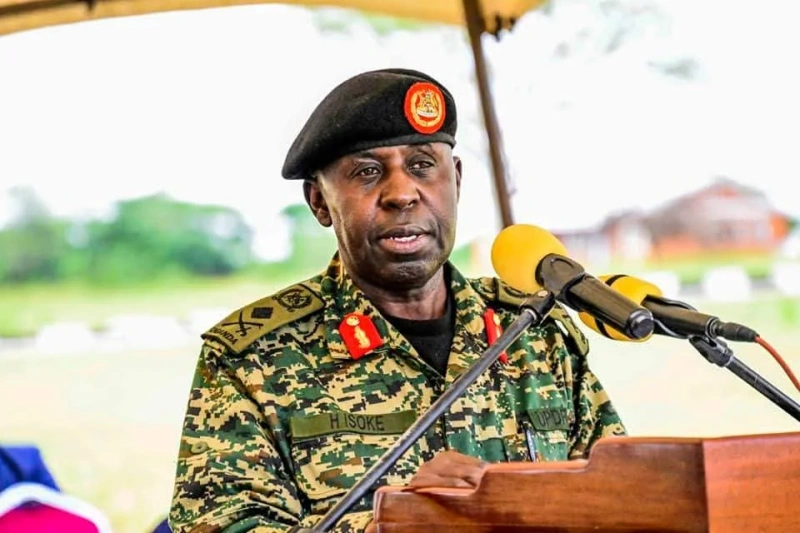
 Five years into his tenure at the helm of the State House Anti-Corruption Unit (SH-ACU), Brig. Gen. Henry Isoke has overseen an increasingly enforcement-driven and citizen-focused approach to Uganda’s fight against corruption, with recoveries, court action, convictions, land-related interventions and stronger coordination with government institutions emerging among the Unit’s notable areas of activity.  Brig. Gen. Isoke took charge of SH-ACU in January 2022, succeeding the Unit’s pioneer head, Col. Edith Nakalema. The Unit itself was established by President Yoweri Kaguta Museveni on 10 December 2018 under Article 99(4) of the Constitution to strengthen the coordination and speedy resolution of corruption complaints reaching the Presidency. One of the areas that has received particular attention during Brig. Gen. Isoke’s tenure is the alleged selling of government jobs through District Service Commissions. The practice has repeatedly been condemned by President Museveni, who has called for firm action against individuals exploiting citizens seeking employment in public service.SH-ACU has investigated recruitment-related complaints in numerous districts, with suspects arrested and cases taken through the justice system. The interventions have brought greater scrutiny to recruitment processes and strengthened demands for accountability within District Service Commissions, with the Unit reporting a reduction in complaints in areas where interventions have been undertaken.The Unit has also extended its investigations into the education sector, particularly the management of capitation grants intended to support Universal Primary Education schools.Investigations have focused on alleged manipulation of pupil enrolment figures, including cases where school administrators and district officials are suspected of inflating learner numbers in order to obtain government funding beyond what schools are legitimately entitled to receive.  Under its mandate, SH-ACU receives and scrutinises complaints, coordinates investigations with constitutionally mandated anti-corruption and law-enforcement agencies and provides a link between citizens and the Presidency in addressing corruption-related grievances.For Brig. Gen. Isoke, the last five years have therefore been less about creating another parallel institution and more about strengthening coordination, accelerating responses and ensuring that complaints raised by ordinary Ugandans reach the institutions responsible for investigation, prosecution, recovery or administrative action. One of the most visible areas of focus has been the land sector, where land grabbing, fraudulent transfers, illegal evictions, double titling, manipulation of land records and other forms of fraud continue to affect citizens and put pressure on the justice system.The Unit’s own assessment shows that land complaints have at different times constituted a significant proportion of its actionable complaints, reaching 51 percent in 2024 before falling to 33 percent in 2025. The figures demonstrate both the scale of the challenge and the continued need for coordinated interventions across the land administration and justice chain.  Within this area, SH-ACU has increasingly focused not only on individual complaints but also on the systemic weaknesses that enable land corruption to persist, including poor records management, administrative delays, manipulation of land information, weak internal controls and inadequate coordination between institutions.This approach has helped shift the conversation from merely responding to individual land conflicts towards addressing some of the institutional vulnerabilities that repeatedly generate them. According to the Unit’s assessment, complaints relating to land wrangles have significantly reduced in areas where targeted interventions have been undertaken, with the proportion cited by the Unit falling from a previously dominant level to about 20 percent in the affected complaint profile. The development is being presented as an indication of the impact of faster intervention, inter-agency coordination and greater public awareness, while the wider land sector continues to face substantial challenges.The broader enforcement record under SH-ACU has also expanded. The Unit currently reports more than 600 operations, UGX741.633 billion in savings and recoveries, 856 people arrested and charged, and 150 convictions. The recoveries have covered different areas of public interest, including diverted government funds, irregular compensation, local government resources, land and other assets. Among the examples highlighted by SH-ACU are recoveries involving Karamoja iron sheets, Parish Development Model funds and attempted disposal of public land.The Unit has also continued to work with the police, Inspectorate of Government, Office of the Auditor General, Directorate of Public Prosecutions and other accountability institutions. In January 2026, the Inspectorate of Government and SH-ACU agreed to strengthen collaboration through joint investigations and mechanisms for fast-tracking cases and recovery of illicitly obtained assets. This collaborative approach has increasingly extended to ministries and local governments, bringing the anti-corruption effort closer to communities. Recent engagements with the Ministry of Local Government, for example, have focused on implementing President Museveni’s anti-corruption directives and strengthening accountability at local-government level.The cooperation with the Ministry of Lands has similarly been important, particularly in responding to citizens’ complaints involving land administration. Engagement with institutions such as the Ministry of Local Government, led by Hon. Balaam Barugahara, and the Ministry of Lands, Housing and Urban Development under Hon. Judith Nabakooba, has provided an avenue through which complaints can be examined jointly and solutions pursued through the institutions with the appropriate mandate.For citizens, this institutional linkage has helped strengthen confidence that reporting a complaint can lead to an actual response rather than simply becoming another unresolved file.  The same citizen-centred approach is reflected in SH-ACU’s continued community engagements, sensitisation programmes and public awareness campaigns. The Unit says its role is to act as a catalyst and accelerator in the anti-corruption fight, rather than replace the constitutional mandate of institutions such as the Inspectorate of Government, Police and prosecution authorities.The Unit has also expanded its focus beyond traditional corruption cases to areas such as the Parish Development Model, Emyooga, public procurement, recruitment irregularities, environmental degradation, illegal occupation of protected areas and fraud affecting investors.  Under Brig. Gen. Isoke’s leadership, SH-ACU has consequently positioned itself as a rapid-response arm within the broader national accountability architecture, bringing together citizens, ministries, local governments, security agencies and specialised accountability institutions around complaints that require urgent attention.The President’s decision to establish SH-ACU in 2018 was rooted in the need to reinforce Uganda’s institutional response to corruption. Seven years after its establishment, and five years into Brig. Gen. Isoke’s leadership, the Unit’s reported record points to an increasingly coordinated model built around investigation, recovery, prosecution, conviction, administrative action and prevention. For the Museveni administration, the continued emphasis on corruption is tied to the broader objective of protecting public resources and ensuring that government programmes translate into services and opportunities for citizens. Corruption, as SH-ACU notes, diverts resources from critical sectors including education, health, infrastructure and other areas of national development.The next phase of the Unit’s work is expected to place greater emphasis on strengthening investigations, addressing recurring land conflicts, protecting government programmes such as PDM and Emyooga, tightening procurement and contract-management controls, tackling recruitment irregularities, protecting wetlands and other public resources, and increasing collaboration with anti-corruption agencies.   As Brig. Gen. Henry Isoke marks five years at the helm of SH-ACU, his tenure has therefore been characterised by an effort to make the anti-corruption response more coordinated, more accessible to citizens and more focused on tangible outcomes—from complaints and investigations to recoveries, prosecutions and convictions.  The challenge remains substantial, but the direction of the Unit under Isoke has increasingly been defined by one central objective: turning citizens’ complaints into coordinated government action and ensuring that the fight against corruption remains connected to the protection of public resources and Uganda’s broader development agenda.
Over 150 Arrested as Expose the Corrupt Campaign Strengthens Government’s Fight Against Corruption National

Over 150 Arrested as Expose the Corrupt Campaign Strengthens Government’s Fight Against Corruption

 Uganda’s campaign against corruption is gaining fresh momentum as the Expose the Corrupt Campaign continues to turn citizens’ complaints into investigations, arrests, interdictions and court processes, with the latest figures showing that more than 150 suspects have been arrested in cases being pursued under the initiative.The campaign, being undertaken through the State House Anti-Corruption Unit in partnership with relevant government institutions and with the involvement of the Ministry of Local Government under Hon. Balaam Barugahara, is focused on strengthening accountability, protecting public resources and ensuring that concerns raised by citizens are followed up with concrete action.  According to the latest campaign update, 200 district officials have so far been interdicted, while 43 people have been charged in court and about 80 case files remain under investigation or are pending further action.The latest figures mark an increase from the earlier campaign position, which had recorded 115 arrests, 40 court actions and 60 case files as of August 31, 2026. The campaign has also reported cases with an estimated value of about Shs15 billion.  At the heart of the initiative is the belief that ordinary citizens have an important role to play in protecting public resources. Through community engagements, barazas and other platforms, citizens are encouraged to report suspected corruption and provide information that can help authorities establish the facts.The campaign has particularly focused on following the money, inspecting government projects and strengthening technical and financial audits. Roads, schools, health facilities, procurement processes and other government programmes are among the areas being subjected to increased scrutiny.This approach is intended to ensure that corruption allegations do not simply remain as complaints, but can progress through investigation, administrative action and, where evidence supports it, prosecution.  The State House Anti-Corruption Unit was established in December 2018 to coordinate citizens’ corruption complaints to the Presidency and work with constitutionally mandated agencies towards their speedy resolution. The Unit works within a broader government anti-corruption framework involving institutions such as the Police, Directorate of Public Prosecutions, Inspectorate of Government and Auditor General.The campaign is also contributing to stronger local-government oversight, where accountability directly affects the quality of services received by citizens. When public funds intended for roads, schools, health centres and other community programmes are protected and properly utilised, the ultimate beneficiaries are the people who depend on those services.  Hon. Balaam Barugahara, who currently serves as Minister of Local Government, is part of the government leadership involved in strengthening local accountability and supervision. The State House Cabinet listing confirms his current portfolio.The campaign comes against the background of President Yoweri Kaguta Museveni’s longstanding call for stronger action against corruption. In his 2026 State of the Nation Address, President Museveni explicitly linked his call for “no more sleep” with “no more corruption”, warning against corruption and diversion from productive work.  On August 26, 2026, the President also publicly called for decisive action against corruption while addressing issues surrounding field inspections involving government officials. The matter was subsequently listed by State House under its dedicated “Fight Against Corruption” category.President Museveni has further urged leaders at the local level not to remain silent when public resources are suspected to be misused. In March 2026, he called on leaders to expose corruption affecting citizens and warned that silence in the face of corruption can undermine public trust and service delivery.The President’s position has also been expressed more broadly as a commitment to eliminating corruption through evidence-based action. In a 2024 presidential statement, Museveni said the fight requires an alliance between citizens and leaders, with evidence being used to pursue those responsible.  Against this background, the Expose the Corrupt Campaign is seeking to create a stronger connection between citizens who report wrongdoing and institutions responsible for investigating and prosecuting corruption.The growing number of arrests, interdictions, court charges and active case files provides a picture of an accountability process that is moving from complaints to investigation and action.For government, the expected benefit is stronger protection of public funds, improved supervision of government programmes and greater accountability among public officials. For local communities, the campaign provides an avenue to raise concerns about projects and services and seek official intervention where there are credible allegations of misuse of public resources.  The campaign therefore continues to advance a clear message: citizens should speak out against corruption, government institutions should investigate credible complaints, and public resources must be protected for the benefit of Ugandans.

Government Reaffirms Commitment to Inclusive Education as Minister Muyingo Represents Speaker Jacob Markson Oboth Featured

Government Reaffirms Commitment to Inclusive Education as Minister Muyingo Represents Speaker Jacob Markson Oboth

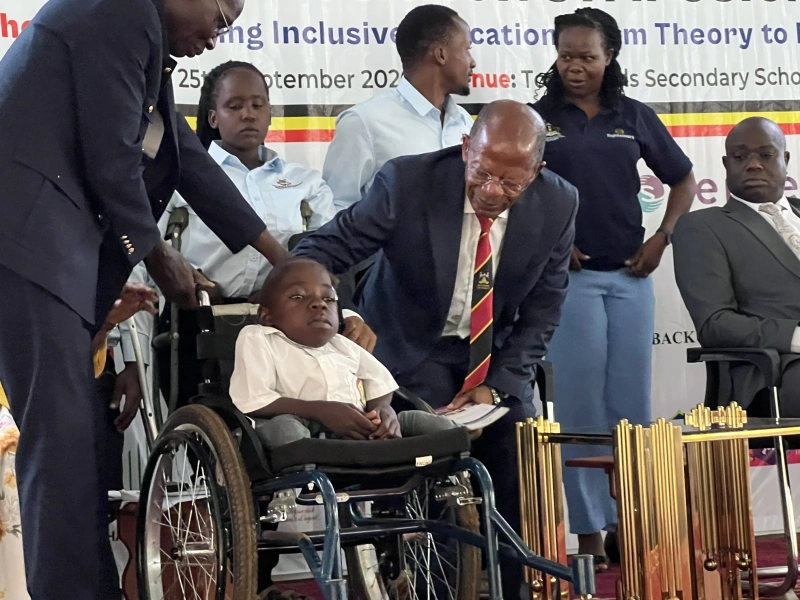
 The Government of Uganda has reaffirmed its commitment to strengthening inclusive education and ensuring that every learner, including children with disabilities and other special learning needs, has meaningful access to quality education.The Acting Minister of Education and Sports, Dr. John C. Muyingo, represented the Speaker of Parliament, Rt. Hon. Jacob Markson Oboth, at the Fourth National Inclusive Education Symposium held at Tororo Girls Secondary School in Tororo District.  The two-day symposium, running from September 24–25, 2026, is being held under the theme “Ensuring Inclusive Education: From Theory to Practice” and has brought together education leaders, teachers, practitioners, representatives of Organisations of Persons with Disabilities, development partners, parents, local government leaders and other stakeholders.In his address, Minister Muyingo reaffirmed the Government’s commitment to building an education system that recognises diversity, removes barriers to learning and provides appropriate support to every learner.  He commended the Ministry of Education and Sports, particularly the Department of Education Technical Support Services and the Division of Special Needs Education, for organising the symposium and providing a platform for stakeholders to develop practical solutions for advancing inclusive education.Minister Muyingo noted that Uganda has made progress in developing policies and programmes aimed at promoting inclusive education, but stressed the importance of translating these policies into practical action at school and classroom level.  He particularly highlighted the importance of starting inclusion early through pre-primary education, where children develop foundational skills, attitudes and competencies that prepare them for formal schooling.According to Minister Muyingo, early childhood education provides an important opportunity to identify children who may require additional support and respond to their developmental, communication, social, emotional and learning needs before they progress to primary education.  He called for inclusive and child-centred approaches in pre-primary education, ensuring that children with disabilities and other learning needs are welcomed, supported and given meaningful opportunities to learn and participate alongside their peers.Minister Muyingo also emphasised the need for appropriately trained teachers and caregivers, safe and accessible learning environments, suitable learning and play materials, effective early identification and referral mechanisms, and stronger collaboration among families, communities, education institutions and relevant service providers.  He said early investment in inclusive pre-primary education can improve children’s readiness for school, participation, learning and progression throughout the education system.The Minister further called for strengthened capacity among primary schools to identify and respond effectively to diverse learning needs through appropriate teaching approaches, accessible learning materials, assistive devices, functional support services and enabling physical environments.He identified teachers as central to the success of inclusive education and called for stronger pre-service teacher education and continuous professional development in inclusive and special needs education.  Minister Muyingo said teachers should be equipped with practical skills in differentiated teaching approaches, appropriate assessment methods and the use of locally available instructional materials to respond to the varied needs of learners.He also stressed that inclusive education cannot be achieved by teachers working alone, urging stronger collaboration among classroom teachers, special needs education teachers, school administrators, parents and other relevant professionals. Another key area highlighted by Minister Muyingo was early identification and intervention. He encouraged schools, local governments, health services, parents and communities to strengthen mechanisms for identifying learners experiencing difficulties in hearing, seeing, communication, mobility, behaviour, cognition or learning.He urged stakeholders to move away from waiting until a learner experiences repeated failure before the necessary support is provided.Minister Muyingo further called for accessible school infrastructure, including classrooms, sanitation facilities, pathways and other facilities that accommodate learners with different needs. He emphasised the importance of timely access to learning resources such as Braille, large-print materials, sign language, audio materials and assistive devices, noting that learners should be able to access these resources when and where they are needed.He also called upon parents and communities to ensure children enrol in school, attend regularly and receive the necessary support to participate and progress.Minister Muyingo urged communities to challenge stigma, discrimination and harmful attitudes towards children with disabilities, stressing that no child should be hidden, excluded or denied education because of disability.  On accountability, he called for stronger supervision, monitoring and reporting by school leaders, local governments and education managers to ensure that inclusive education policies and interventions translate into meaningful benefits for learners.He further underscored the importance of reliable data and documenting good practices that can be replicated and scaled up across the country.As the symposium continues, Minister Muyingo urged participants to focus on practical solutions that can be implemented at school, district and national levels, including strengthening teacher capacity, improving accessibility, providing appropriate learning materials and assistive devices, promoting early identification and intervention, and strengthening partnerships with parents and communities.  He stressed that the outcomes of the symposium should not remain within the conference hall but should translate into concrete action in schools and improved learning experiences for children across Uganda.

Uganda Launches Cooperative Education Programme, MUBS to Begin Training in 2027 Education

Uganda Launches Cooperative Education Programme, MUBS to Begin Training in 2027

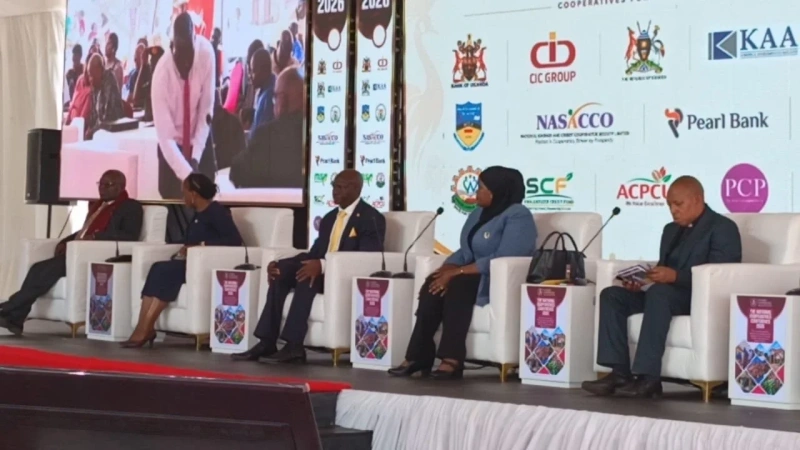
 By Mutuunzi SaulUganda has launched a cooperative education programme aimed at equipping students with professional skills in cooperative management and enabling higher education institutions to offer qualifications ranging from diplomas to PhDs.The programme was launched during the National Cooperative Conference 2026 held at Makerere University Business School (MUBS) in Nakawa, Kampala. The conference was convened by the Uganda Cooperative Alliance in partnership with the Ministry of Trade, Industry and Cooperatives. The initiative comes as government and stakeholders in the cooperative sector seek to strengthen the contribution of cooperatives to savings mobilisation, investment, agricultural production, value addition, access to markets and improvement of household incomes.The Third Deputy Prime Minister, Rukia Isanga Nakadama, who represented President Yoweri Kaguta Museveni at the conference, said cooperatives remain important drivers of socio-economic transformation through savings mobilisation, access to finance, improved production and markets, and increased household incomes.Nakadama urged cooperatives to move beyond commodity production and participate across the entire value chain, while strengthening governance, accountability and financial sustainability and embracing technology to improve their operations.  State Minister for Cooperatives Tom Alero Aza also emphasised the importance of strong leadership and good governance in the management of cooperative organisations, particularly Savings and Credit Cooperative Organisations (SACCOs).Under the new programme, MUBS plans to begin teaching cooperative-related courses in 2027, with students expected to pursue diploma and degree programmes in the field. The broader programme is intended to provide a pathway for professional training and qualifications in cooperative management, including higher-level academic programmes. The General Secretary of the Uganda Cooperative Alliance, CPA Ivan Asiimwe, described the introduction of cooperative education as a major milestone in efforts to professionalise Uganda’s cooperative sector.The programme is expected to provide specialised human resources for cooperatives and support the sector as it expands its role in savings, investment, agricultural production, value addition and economic transformation.

Witness Evidence Comes Under Scrutiny as Tebandeke Election Petition Returns to Mukono High Court Happening Kati

Witness Evidence Comes Under Scrutiny as Tebandeke Election Petition Returns to Mukono High Court

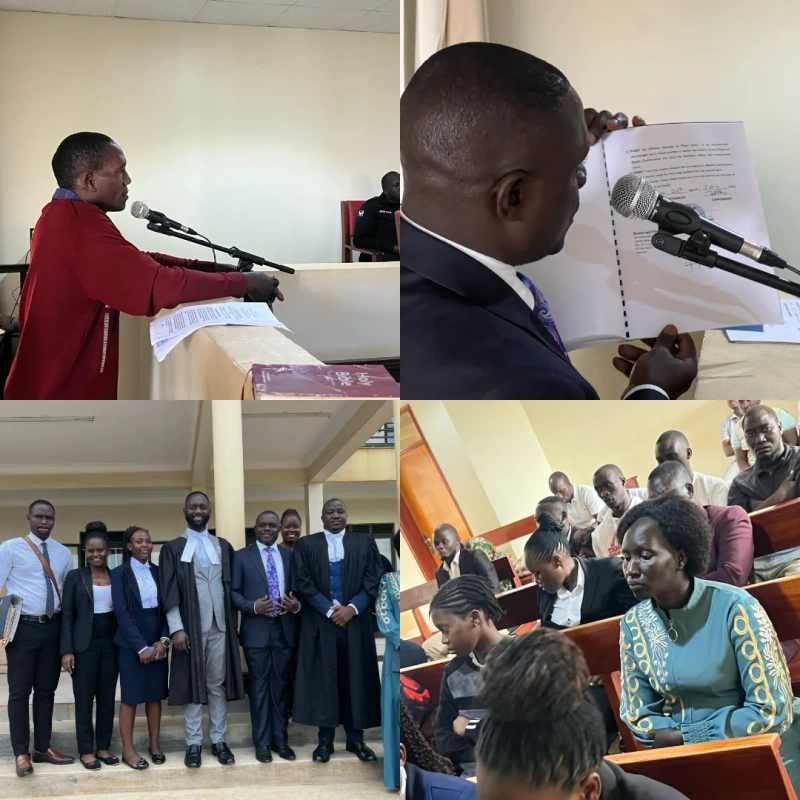
 The election petition challenging the election of Bbaale Member of Parliament Charles Tebandeke returned to the High Court in Mukono on Tuesday, with proceedings taking a dramatic turn as the petitioner’s witness faced questions over the basis of some of the evidence presented before court.The petition, filed by Arthur Kiza against Tebandeke, concerns the circumstances surrounding the parliamentary election. Tebandeke, a National Unity Platform (NUP) member representing Bbaale in the 12th Parliament, has contested the allegations brought against his election. During Tuesday’s proceedings, the petitioner presented Sserunjoji Moses, the Chairperson of Bugonya B, as a witness. However, portions of his testimony came under scrutiny, with the defence challenging evidence that it argued was based on information the witness had not personally witnessed or independently verified.In legal terms, such evidence may raise questions of hearsay, particularly where a witness seeks to tell court what another person allegedly said or knew rather than giving evidence from direct personal knowledge. The weight to be attached to such testimony remains a matter for the trial judge. One of the issues raised before court concerned allegations that Tebandeke referred to Kiza as “Goliath” during the campaign period. The petitioner’s side suggested that the reference was intended to portray Kiza negatively and contributed to reducing his support among voters.But when the issue was put to Tebandeke, he rejected the interpretation.  Tebandeke told court that he did not use the name “Goliath” to refer to Kiza personally, explaining that his references to the biblical story of David and Goliath were part of his campaign messaging.According to Tebandeke, he used “David” and “Goliath” symbolically when addressing voters, with “David” representing the candidate and voters who wanted change, while “Goliath” represented issues he was campaigning against, including alleged land grabbing, poor service delivery and poor roads. He maintained that at no point did he specifically intend the term “Goliath” to identify any of his political opponents.Another significant moment came when the petitioner’s witness described Tebandeke as a highly visible and popular figure during the campaign.The witness told court that Tebandeke was allegedly well known across the constituency and that his arrival at public functions was often met with excitement, applause and enthusiastic greetings from members of the public.  The witness further suggested that at functions such as burial ceremonies, Tebandeke’s visibility was greater than that of some of the other candidates, an observation the petitioner’s side sought to connect to the election contest.The evidence created an interesting courtroom contradiction: while the petition seeks to challenge Tebandeke’s victory, evidence from the petitioner’s own side portrayed him as a politician who enjoyed considerable visibility and public recognition during the campaign period.Tebandeke acknowledged before court that he was popular during the campaign, but explained that popularity and the affection of voters were not matters he could control. He told the judge that people had welcomed him warmly because, in his view, they appreciated the way he had represented and led them. He nevertheless maintained that he could not dictate where or how people chose to express their support for him.The defence position was therefore that the presence of enthusiastic crowds at events should not, by itself, be interpreted as evidence of an electoral irregularity.The proceedings also exposed challenges faced by the petitioner’s witness when asked to substantiate some of the assertions made in court. The defence questioned whether the witness possessed direct evidence capable of independently confirming several of the matters he had raised.  For the court, the distinction between what a witness personally observed and what the witness merely heard from others remains important in determining the evidential value of testimony.The petition therefore continues to turn not only on the allegations made by the petitioner, but also on whether those allegations can ultimately be supported by admissible and sufficiently reliable evidence.Justice Phillip Mwaka, who is presiding over the petition at the High Court in Mukono, adjourned the matter to next week when further proceedings are expected to continue.The next hearing is expected to provide another opportunity for both sides to test the evidence already placed before court as the election dispute moves closer to its determination.

Tayebwa asks EU to help close Uganda’s refugee funding gap News

Tayebwa asks EU to help close Uganda’s refugee funding gap

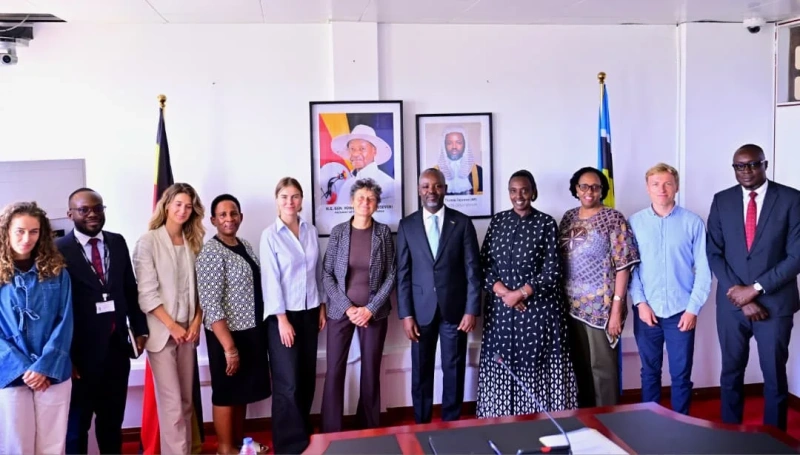
 Deputy Speaker of Parliament Thomas Tayebwa has called on the European Union to increase funding for Uganda’s refugee response, warning that declining humanitarian support is placing growing pressure on public services and communities hosting more than two million refugees and asylum-seekers.  Tayebwa made the appeal on Monday when he received Members of the European Parliament, Hon. Tineke Strik and Hon. Anna Strolenberg, together with their colleagues, at Parliament. The delegation is in Uganda to understand the country’s refugee policies and explore ways of strengthening cooperation between Uganda and the EU on refugee management. Uganda’s 2026 refugee response plan requires about $850 million, but only 12% of the required funding has so far been provided by international partners, according to figures cited by Tayebwa.He said the funding shortfall is increasingly affecting the government’s ability to provide services to refugees and the Ugandan communities that host them.  “All this is happening at a time when there is a decline in funding,” Tayebwa said.He said the pressure is being felt within government institutions responsible for refugee management, particularly the Office of the Prime Minister, as well as in health and education services in refugee-hosting communities.Tayebwa said there has been a reduction in the number of teachers and health workers previously supported through funding from international partners, while staffing levels in the Department of Refugees under the Office of the Prime Minister have also come under pressure. “From our assessment, the current humanitarian funding model is no longer sufficient. Without alternative financing, pressure will overwhelm the government and host communities,” he said.Despite the financial constraints, Tayebwa said Uganda would continue to receive people fleeing conflict, describing the country’s refugee policy as rooted in its humanitarian values.  “These people are helpless; they are vulnerable,” he said. “We struggle to provide for these refugees, but we are not struggling with the spirit of humanity to welcome them.”Uganda currently hosts more than two million refugees and asylum-seekers, according to statistics from the Department of Refugees in the Office of the Prime Minister, making it Africa’s largest refugee-hosting country. Most of the refugees are women and children, with the largest numbers originating from South Sudan and the Democratic Republic of Congo. Tayebwa said the continued influx, combined with declining funding, requires stronger international support for both refugees and host communities.He also urged the EU to address the conflicts driving displacement rather than focusing only on humanitarian assistance after people have crossed into Uganda.“We should go to the root cause of the problem in the region that causes the refugee influx,” he said.  According to Tayebwa, resolving conflicts in countries neighbouring Uganda would help reduce the pressure created by continued refugee arrivals.He warned that failure to provide refugees with adequate support and opportunities to rebuild their lives could expose some to exploitation, trafficking and recruitment by armed groups. “If Uganda cannot help these people settle, they are the people who will join Al-Shabaab, these are the people who will be trafficked to Europe,” he said.Tayebwa said the refugee crisis also presented an opportunity for Africa and Europe to strengthen their partnership at a time when multilateral cooperation is facing challenges.  “At the time when multilateralism is dying and the global political arena is unpredictable, this is the time for Africa and Europe to strengthen their relationship,” he said.“The relationship between the EU and Africa is dependable. This is the right time for the EU to strengthen and cement its relationship with Africa.”He thanked the EU for its contribution to Uganda’s refugee response, describing the bloc as a dependable partner.“I want to appreciate the European Union. You have been a dependable partner,” Tayebwa said. The EU has allocated €20.7 million in humanitarian assistance to Uganda in 2026, following €23.9 million in 2025. It says it has provided more than €194 million in humanitarian funding to Uganda since 2021.EU humanitarian programmes in Uganda support areas including emergency cash assistance, food security, education, protection and disaster preparedness for refugees and host communities.  Speaking during the meeting, Strik acknowledged Uganda’s role in hosting refugees and said European countries could learn from Uganda’s approach to receiving people fleeing conflict.“The EU and also the Netherlands can take Uganda as an example of hospitality,” Strik said.She also acknowledged the funding challenge facing refugee-hosting countries and called for continued international support. “I think we also need to address the issue of funding,” she said.“International partners should not leave Uganda alone,” Strik added.Tayebwa said international support should remain predictable and sustained, arguing that Uganda’s refugee-hosting responsibility has implications beyond its borders.  “Africa needs a predictable partner,” he said, adding that the war in Ukraine should not cause Europe to overlook humanitarian needs in Africa.“The conflict in Ukraine has affected Europe a lot, but it should not make you forget Africa,” Tayebwa said.

Nakawomeka Residents Appeal to President Museveni Over Land Dispute Affecting Nearly 1,000 Families Exposed

Nakawomeka Residents Appeal to President Museveni Over Land Dispute Affecting Nearly 1,000 Families

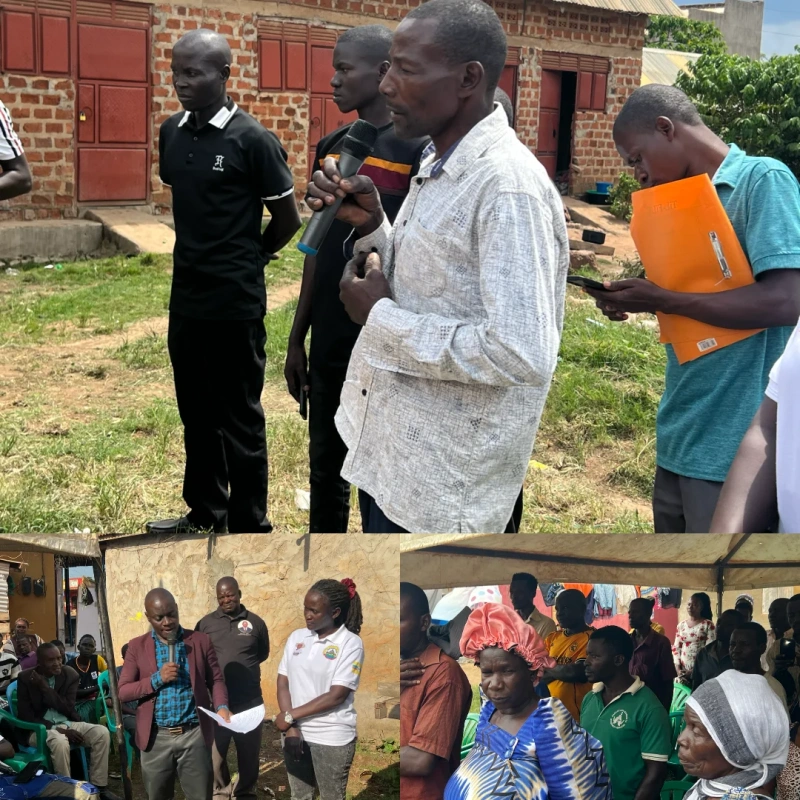
 LUWEERO — Residents of Nakawomeka in Luweero District have appealed to President Yoweri Kaguta Museveni to intervene in a land dispute affecting nearly 1,000 families, saying they are living under fear of eviction from land they have occupied for years.The concerns were raised during a Parish Development Model (PDM) meeting attended on behalf of Acting Minister of Education and Sports Hon. Dr JC Muyingo by his Political Assistant and ONC coordinator for the Luweero sub-region, Wasswa AbdulKarrim Tamale. Residents said the dispute extends to about three villages in the area and is threatening their homes, livelihoods and participation in Government programmes. The residents allege that individuals they describe as land grabbers have threatened to evict them, with some allegedly claiming to have connections to security agencies while others reportedly claim links to State House.Godfrey Lugonvu, Chairman representing the affected residents, said some community members have allegedly been arrested several times over the land dispute, describing the arrests as brutal and saying the incidents have created fear among families in the area.  Residents describe the contested land as public land and are calling on Government to establish its legal status and determine the rights of the people currently occupying it.They said many families have lived on the land for years and depend on it for homes, farming and other economic activities. They also said a number of the affected households are beneficiaries of the Parish Development Model, raising concerns that continued uncertainty over the land could undermine their ability to benefit from the poverty-reduction programme.  Residents further alleged that some individuals involved in the dispute have claimed connections to security agencies and have made allegations about the presence of illegal firearms in the village. The claims have not been independently verified and would require investigation by the relevant authorities.  The residents also expressed dissatisfaction with what they described as an inadequate response from security authorities at Luweero District headquarters, and called for investigations into the alleged threats, arrests and competing claims over the land.They appealed to President Museveni to intervene and directed a further appeal to Hon. Judith Nabakooba, Minister of Lands, Housing and Urban Development, to help establish the legal status of the land and provide a lawful and lasting resolution to the dispute.  Speaking to the residents, Wasswa AbdulKarrim Tamale said he would take their concerns to the relevant authorities, including Minister Nabakooba, for consideration and intervention.Wasswa said Government programmes such as PDM should not be undermined by unresolved land disputes that leave beneficiaries uncertain about their homes and productive assets.He also urged PDM beneficiaries to use Government funds for their intended purposes and encouraged those who have benefited to support recovery mechanisms so that other eligible households can also benefit.  Wasswa further cautioned young people against allowing themselves to be used in activities that could interfere with their economic progress, urging them instead to focus on productive work, skills development and community transformation.The residents are now calling for a comprehensive investigation into the disputed land, the allegations of intimidation and arrests, and any claims concerning illegal firearms.  They say their immediate concern is to secure their homes and livelihoods while allowing the dispute to be resolved through the lawful government institutions responsible for land and security matters.

Minister Muyingo Applauds Adventist Church for Supporting Government Programmes Religious

Minister Muyingo Applauds Adventist Church for Supporting Government Programmes

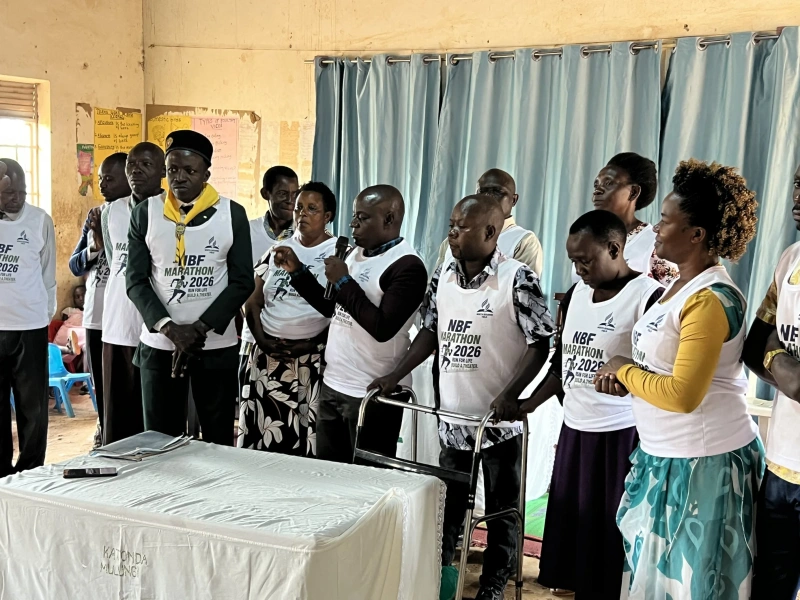
 The Acting Minister of Education and Sports, Hon. Dr JC Muyingo, has applauded the Seventh-day Adventist Church in Uganda for responding positively to Government programmes and supporting initiatives aimed at improving the wellbeing of communities.Minister Muyingo made the remarks on the Sabbath Day during a normal worship service at Nazaleesi Seventh-day Adventist Church in Buzibweera, Kikyusa Sub-county, Luweero District, where the congregation also used the occasion to launch preparations for the North Buganda Field Marathon 2026.  The Minister was represented at the service by Abdulkarim Wasswa Tamale, the ONC Coordinator for the Luweero Sub-region, who also doubles as Minister Muyingo’s Political Assistant.The service was also held as part of the 76th World Pathfinder Day celebrations, bringing together Adventist youth under the Pathfinder programme. The North Buganda Field Marathon 2026 is scheduled for 4 October 2026 and is intended to support the Church’s health and community development initiatives. Participants are expected to contribute Shs20,000 each towards the purchase of running kits for the marathon.  In support of the initiative, Minister Muyingo purchased 50 running kits at a total cost of Shs1 million, demonstrating his support for the marathon and the Church’s efforts to promote health, physical fitness and community participation.Representing the Minister, Tamale commended the Adventist Church for its contribution to health promotion, youth development and community service. He particularly highlighted the Church’s positive response to Government programmes, including participation in initiatives such as National Cleaning Day. Tamale also delivered Shs1 million on behalf of Minister Muyingo towards the construction initiative at the Church, bringing the Minister’s total contribution during the occasion to Shs2 million.Pastor Bashir Mutebi, who leads the North Buganda Field of the Seventh-day Adventist Church, appreciated Minister Muyingo for his continued support towards the Church’s activities and development initiatives.Pastor Mutebi said the proposed ward at North Buganda Field Adventist Medical Centre in Nakyeewa requires approximately Shs400 million to complete, with more than Shs100 million needed to reach the ground-floor foundation stage.  He also appealed to parents to work closely with the Church in guiding their children, particularly by ensuring that young people receive proper moral guidance and grow into responsible members of society.The North Buganda Field Marathon will take place on 4 October 2026, combining sport, youth participation and fundraising efforts towards the development of health infrastructure at the North Buganda Field Adventist Medical Centre in Nakyeewa.

Deputy Speaker Tayebwa Addresses Delays, Corruption and Youth Exclusion in PDM Program Featured

Deputy Speaker Tayebwa Addresses Delays, Corruption and Youth Exclusion in PDM Program

Long delays in accessing Parish Development Model (PDM) funds, alleged illegal deductions, fear of reporting corruption and limited youth representation on PDM committees have emerged as some of the key challenges raised during Deputy Speaker Thomas Tayebwa’s assessment of the programme in Ruhinda North. Tayebwa, together with district political and technical leaders, spent Wednesday and Thursday meeting residents across the constituency to assess the performance of PDM funds and hear concerns about their implementation.Several applicants told the Deputy Speaker that they had waited for extended periods after registering for the funds, with some reportedly waiting for up to two years. Tayebwa said the delays were partly linked to the way the funds are released but stressed that the selection of beneficiaries must be transparent and follow the order in which people applied. “The money comes in installments; there are parishes which are small, they have given all people and they are now starting the second round. But there are parishes that will take time because every year we give 100 million,” he said.“If a parish has 1,000 families, it means it will take 10 years to cover them. We have to be patient. But what is important is transparency. If a person applies first, a person who applies after that person should not receive money before the one who came first,” Tayebwa said. He advised that lists of PDM applicants be displayed on parish noticeboards according to the date of application so that beneficiaries can be selected transparently. Concerns over corruption and illegal charges also featured during the meetings. Tayebwa said residents should not pay anyone to access PDM funds and encouraged them to report attempts to solicit money.“There are some of you who are afraid to speak out, fearing that the people you’re reporting are the ones who will come back to ask you to pay it back,” Tayebwa told residents. He added that money repaid under the programme remains available to other members of the community. “This is your money. If someone doesn’t pay, he is costing you as a group and a community,” he said. The assessment also uncovered cases involving beneficiaries who received less than the Shs1 million expected under the programme, especially during its initial implementation. Tayebwa explained to beneficiaries that they are required to repay the amount they actually received but noted that a problem arises where someone signed for Shs1 million but received a smaller amount. He urged those who received PDM funds during the programme’s initial phase to repay the money so that they can apply for another round.“If you received PDM money when the programme was starting, I would encourage you to start paying back. After paying, you can apply for the second round, and in the second round, you will receive one million,” Tayebwa said. Another concern involved youth participation in the committees responsible for managing the programme. Nasasira Ronald, the youth councillor for Kigyende Sub-county, said young people were not adequately represented on PDM committees, making it difficult for them to access their share of the programme. “When they are selecting PDM committee members, they don’t consider youth, yet 30% of the money is supposed to be for youth. We end up not getting our fair share because we are not represented. We appeal that youth be represented at all committees,” Nasasira said. Tayebwa directed local leaders to review the composition of the committees and ensure that youth are represented. “You should review all committees and show the youth who are representing them on the committees. If they are not represented, the committees should be changed to add youth representatives,” he said. There was also confusion over whether people receiving Social Assistance Grants for Empowerment (SAGE), the government programme providing regular cash support to vulnerable older people, qualify for PDM funds. “If you get SAGE money, you qualify to get PDM money,” Tayebwa clarified. Other concerns raised during the two-day consultative meetings included attempts by some people to use identity cards that did not belong to them to apply for PDM funds. There were also reports of beneficiaries who were allegedly misled into believing that the funds did not have to be repaid.

© Copyright 2026, All Rights Reserved