The Government of Uganda has reaffirmed its commitment to strengthening inclusive education and ensuring that every learner, including children with disabilities and other special learning needs, has meaningful access to quality education.
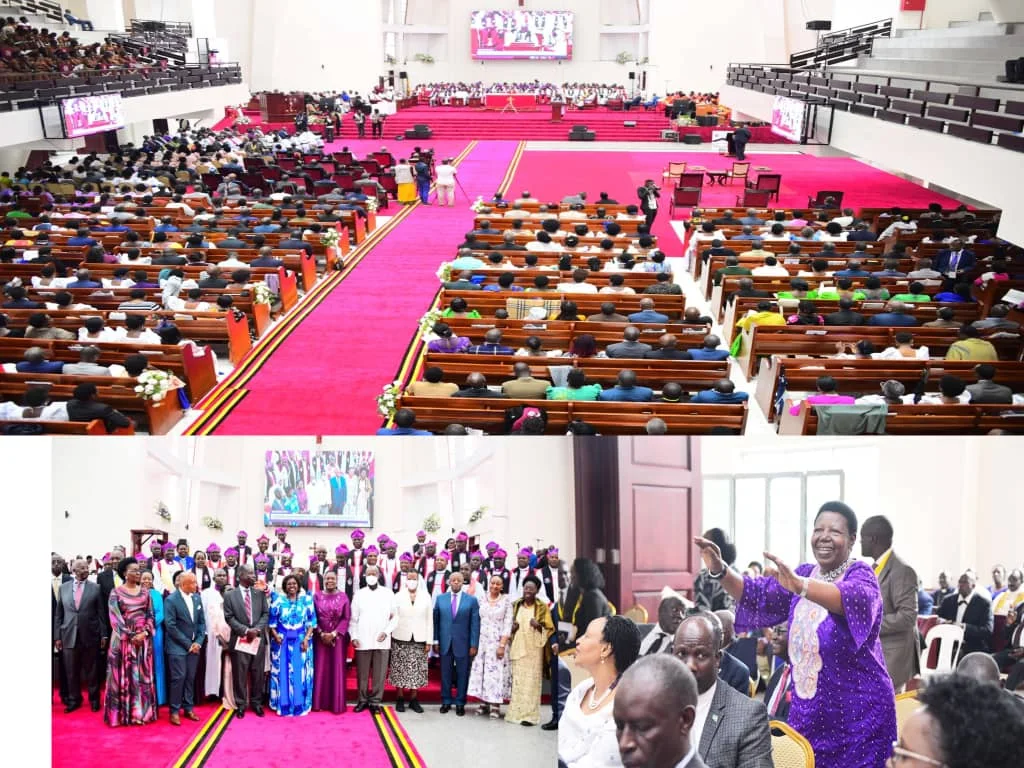
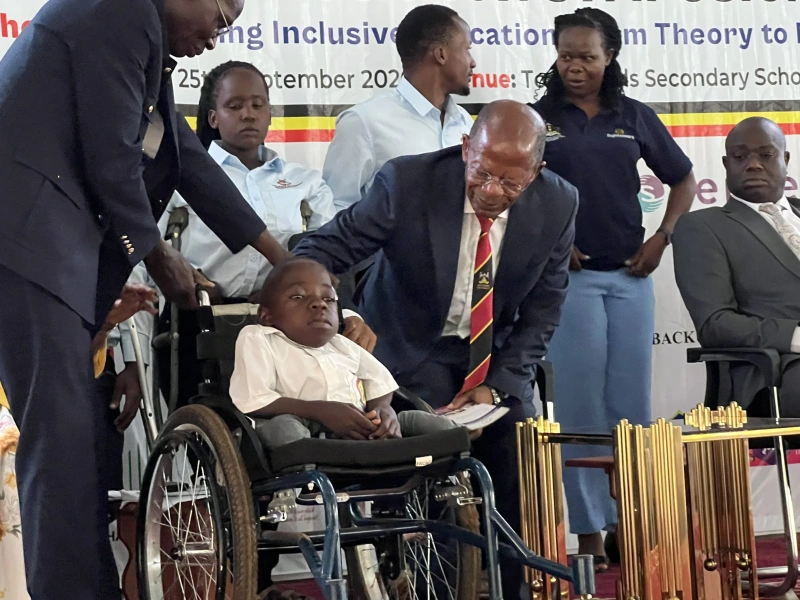
The Acting Minister of Education and Sports, Dr. John C. Muyingo, represented the Speaker of Parliament, Rt. Hon. Jacob Markson Oboth, at the Fourth National Inclusive Education Symposium held at Tororo Girls Secondary School in Tororo District.
The two-day symposium, running from September 24–25, 2026, is being held under the theme “Ensuring Inclusive Education: From Theory to Practice” and has brought together education leaders, teachers, practitioners, representatives of Organisations of Persons with Disabilities, development partners, parents, local government leaders and other stakeholders.
In his address, Minister Muyingo reaffirmed the Government’s commitment to building an education system that recognises diversity, removes barriers to learning and provides appropriate support to every learner.
He commended the Ministry of Education and Sports, particularly the Department of Education Technical Support Services and the Division of Special Needs Education, for organising the symposium and providing a platform for stakeholders to develop practical solutions for advancing inclusive education.
Minister Muyingo noted that Uganda has made progress in developing policies and programmes aimed at promoting inclusive education, but stressed the importance of translating these policies into practical action at school and classroom level.
He particularly highlighted the importance of starting inclusion early through pre-primary education, where children develop foundational skills, attitudes and competencies that prepare them for formal schooling.
According to Minister Muyingo, early childhood education provides an important opportunity to identify children who may require additional support and respond to their developmental, communication, social, emotional and learning needs before they progress to primary education.
He called for inclusive and child-centred approaches in pre-primary education, ensuring that children with disabilities and other learning needs are welcomed, supported and given meaningful opportunities to learn and participate alongside their peers.
Minister Muyingo also emphasised the need for appropriately trained teachers and caregivers, safe and accessible learning environments, suitable learning and play materials, effective early identification and referral mechanisms, and stronger collaboration among families, communities, education institutions and relevant service providers.
He said early investment in inclusive pre-primary education can improve children’s readiness for school, participation, learning and progression throughout the education system.
The Minister further called for strengthened capacity among primary schools to identify and respond effectively to diverse learning needs through appropriate teaching approaches, accessible learning materials, assistive devices, functional support services and enabling physical environments.
He identified teachers as central to the success of inclusive education and called for stronger pre-service teacher education and continuous professional development in inclusive and special needs education.
Minister Muyingo said teachers should be equipped with practical skills in differentiated teaching approaches, appropriate assessment methods and the use of locally available instructional materials to respond to the varied needs of learners.
He also stressed that inclusive education cannot be achieved by teachers working alone, urging stronger collaboration among classroom teachers, special needs education teachers, school administrators, parents and other relevant professionals.
Another key area highlighted by Minister Muyingo was early identification and intervention. He encouraged schools, local governments, health services, parents and communities to strengthen mechanisms for identifying learners experiencing difficulties in hearing, seeing, communication, mobility, behaviour, cognition or learning.
He urged stakeholders to move away from waiting until a learner experiences repeated failure before the necessary support is provided.
Minister Muyingo further called for accessible school infrastructure, including classrooms, sanitation facilities, pathways and other facilities that accommodate learners with different needs.
He emphasised the importance of timely access to learning resources such as Braille, large-print materials, sign language, audio materials and assistive devices, noting that learners should be able to access these resources when and where they are needed.
He also called upon parents and communities to ensure children enrol in school, attend regularly and receive the necessary support to participate and progress.
Minister Muyingo urged communities to challenge stigma, discrimination and harmful attitudes towards children with disabilities, stressing that no child should be hidden, excluded or denied education because of disability.
On accountability, he called for stronger supervision, monitoring and reporting by school leaders, local governments and education managers to ensure that inclusive education policies and interventions translate into meaningful benefits for learners.
He further underscored the importance of reliable data and documenting good practices that can be replicated and scaled up across the country.
As the symposium continues, Minister Muyingo urged participants to focus on practical solutions that can be implemented at school, district and national levels, including strengthening teacher capacity, improving accessibility, providing appropriate learning materials and assistive devices, promoting early identification and intervention, and strengthening partnerships with parents and communities.
He stressed that the outcomes of the symposium should not remain within the conference hall but should translate into concrete action in schools and improved learning experiences for children across Uganda.