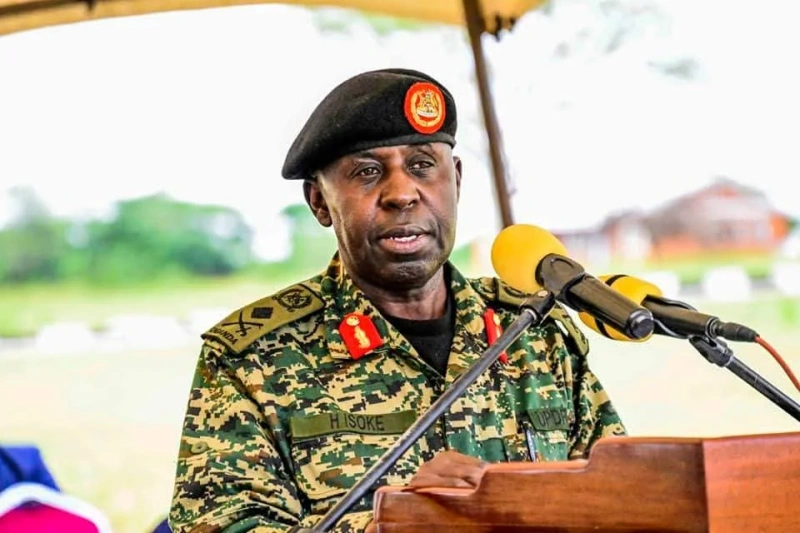
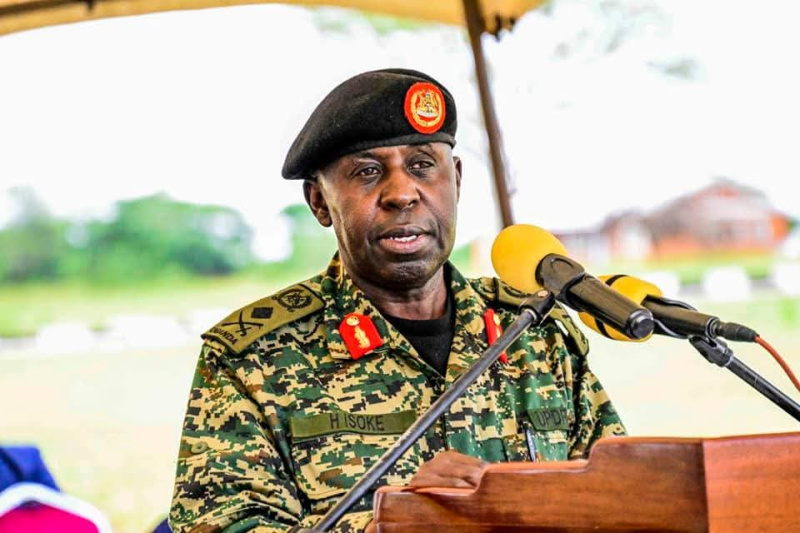
Five years into his tenure at the helm of the State House Anti-Corruption Unit (SH-ACU), Brig. Gen. Henry Isoke has overseen an increasingly enforcement-driven and citizen-focused approach to Uganda’s fight against corruption, with recoveries, court action, convictions, land-related interventions and stronger coordination with government institutions emerging among the Unit’s notable areas of activity.
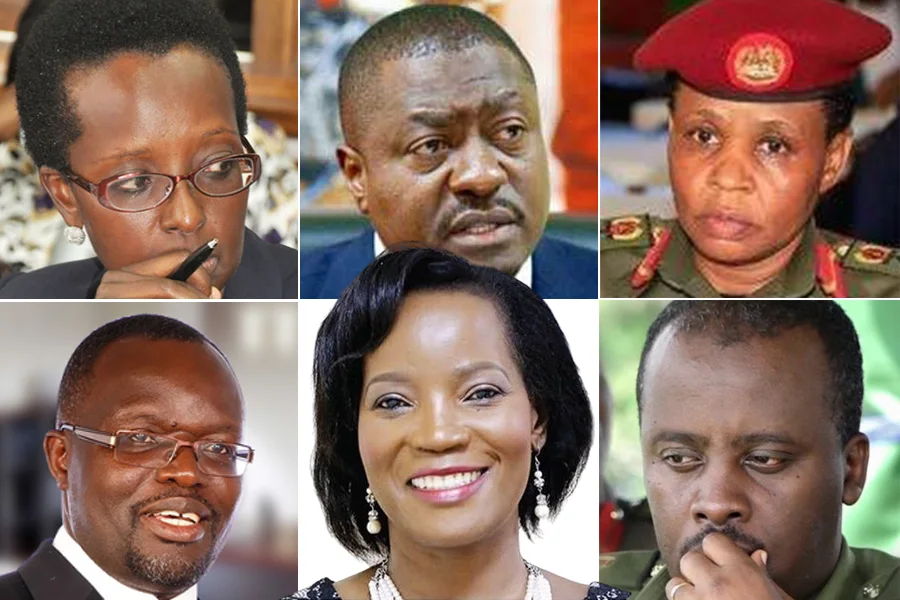
Brig. Gen. Isoke took charge of SH-ACU in January 2022, succeeding the Unit’s pioneer head, Col. Edith Nakalema. The Unit itself was established by President Yoweri Kaguta Museveni on 10 December 2018 under Article 99(4) of the Constitution to strengthen the coordination and speedy resolution of corruption complaints reaching the Presidency.
One of the areas that has received particular attention during Brig. Gen. Isoke’s tenure is the alleged selling of government jobs through District Service Commissions. The practice has repeatedly been condemned by President Museveni, who has called for firm action against individuals exploiting citizens seeking employment in public service.
SH-ACU has investigated recruitment-related complaints in numerous districts, with suspects arrested and cases taken through the justice system. The interventions have brought greater scrutiny to recruitment processes and strengthened demands for accountability within District Service Commissions, with the Unit reporting a reduction in complaints in areas where interventions have been undertaken.
The Unit has also extended its investigations into the education sector, particularly the management of capitation grants intended to support Universal Primary Education schools.
Investigations have focused on alleged manipulation of pupil enrolment figures, including cases where school administrators and district officials are suspected of inflating learner numbers in order to obtain government funding beyond what schools are legitimately entitled to receive.
Under its mandate, SH-ACU receives and scrutinises complaints, coordinates investigations with constitutionally mandated anti-corruption and law-enforcement agencies and provides a link between citizens and the Presidency in addressing corruption-related grievances.
For Brig. Gen. Isoke, the last five years have therefore been less about creating another parallel institution and more about strengthening coordination, accelerating responses and ensuring that complaints raised by ordinary Ugandans reach the institutions responsible for investigation, prosecution, recovery or administrative action.
One of the most visible areas of focus has been the land sector, where land grabbing, fraudulent transfers, illegal evictions, double titling, manipulation of land records and other forms of fraud continue to affect citizens and put pressure on the justice system.
The Unit’s own assessment shows that land complaints have at different times constituted a significant proportion of its actionable complaints, reaching 51 percent in 2024 before falling to 33 percent in 2025. The figures demonstrate both the scale of the challenge and the continued need for coordinated interventions across the land administration and justice chain.
Within this area, SH-ACU has increasingly focused not only on individual complaints but also on the systemic weaknesses that enable land corruption to persist, including poor records management, administrative delays, manipulation of land information, weak internal controls and inadequate coordination between institutions.
This approach has helped shift the conversation from merely responding to individual land conflicts towards addressing some of the institutional vulnerabilities that repeatedly generate them.
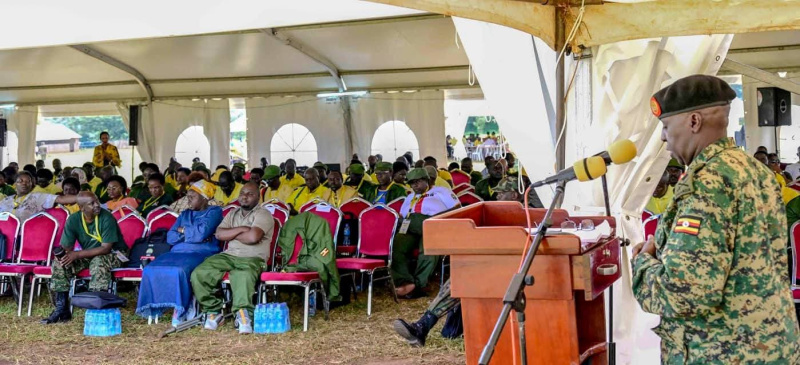
According to the Unit’s assessment, complaints relating to land wrangles have significantly reduced in areas where targeted interventions have been undertaken, with the proportion cited by the Unit falling from a previously dominant level to about 20 percent in the affected complaint profile. The development is being presented as an indication of the impact of faster intervention, inter-agency coordination and greater public awareness, while the wider land sector continues to face substantial challenges.
The broader enforcement record under SH-ACU has also expanded. The Unit currently reports more than 600 operations, UGX741.633 billion in savings and recoveries, 856 people arrested and charged, and 150 convictions.
The recoveries have covered different areas of public interest, including diverted government funds, irregular compensation, local government resources, land and other assets. Among the examples highlighted by SH-ACU are recoveries involving Karamoja iron sheets, Parish Development Model funds and attempted disposal of public land.
The Unit has also continued to work with the police, Inspectorate of Government, Office of the Auditor General, Directorate of Public Prosecutions and other accountability institutions. In January 2026, the Inspectorate of Government and SH-ACU agreed to strengthen collaboration through joint investigations and mechanisms for fast-tracking cases and recovery of illicitly obtained assets.
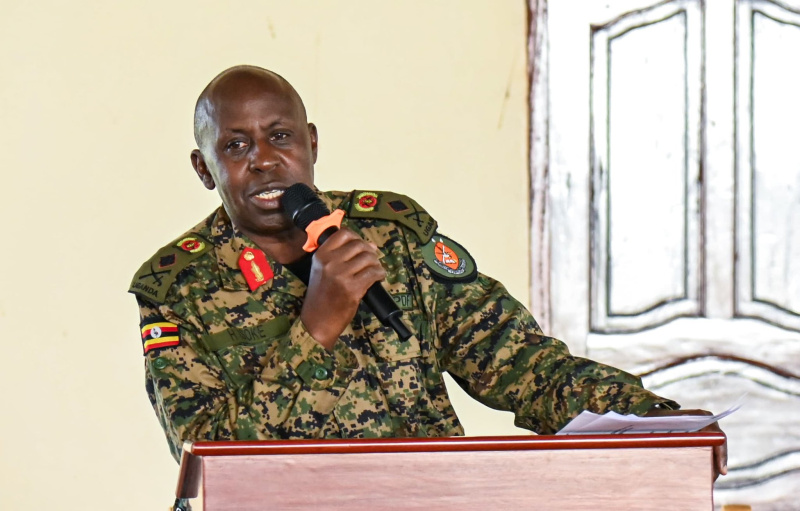
This collaborative approach has increasingly extended to ministries and local governments, bringing the anti-corruption effort closer to communities. Recent engagements with the Ministry of Local Government, for example, have focused on implementing President Museveni’s anti-corruption directives and strengthening accountability at local-government level.
The cooperation with the Ministry of Lands has similarly been important, particularly in responding to citizens’ complaints involving land administration. Engagement with institutions such as the Ministry of Local Government, led by Hon. Balaam Barugahara, and the Ministry of Lands, Housing and Urban Development under Hon. Judith Nabakooba, has provided an avenue through which complaints can be examined jointly and solutions pursued through the institutions with the appropriate mandate.
For citizens, this institutional linkage has helped strengthen confidence that reporting a complaint can lead to an actual response rather than simply becoming another unresolved file.
The same citizen-centred approach is reflected in SH-ACU’s continued community engagements, sensitisation programmes and public awareness campaigns. The Unit says its role is to act as a catalyst and accelerator in the anti-corruption fight, rather than replace the constitutional mandate of institutions such as the Inspectorate of Government, Police and prosecution authorities.
The Unit has also expanded its focus beyond traditional corruption cases to areas such as the Parish Development Model, Emyooga, public procurement, recruitment irregularities, environmental degradation, illegal occupation of protected areas and fraud affecting investors.
Under Brig. Gen. Isoke’s leadership, SH-ACU has consequently positioned itself as a rapid-response arm within the broader national accountability architecture, bringing together citizens, ministries, local governments, security agencies and specialised accountability institutions around complaints that require urgent attention.
The President’s decision to establish SH-ACU in 2018 was rooted in the need to reinforce Uganda’s institutional response to corruption. Seven years after its establishment, and five years into Brig. Gen. Isoke’s leadership, the Unit’s reported record points to an increasingly coordinated model built around investigation, recovery, prosecution, conviction, administrative action and prevention.
For the Museveni administration, the continued emphasis on corruption is tied to the broader objective of protecting public resources and ensuring that government programmes translate into services and opportunities for citizens. Corruption, as SH-ACU notes, diverts resources from critical sectors including education, health, infrastructure and other areas of national development.
The next phase of the Unit’s work is expected to place greater emphasis on strengthening investigations, addressing recurring land conflicts, protecting government programmes such as PDM and Emyooga, tightening procurement and contract-management controls, tackling recruitment irregularities, protecting wetlands and other public resources, and increasing collaboration with anti-corruption agencies.
As Brig. Gen. Henry Isoke marks five years at the helm of SH-ACU, his tenure has therefore been characterised by an effort to make the anti-corruption response more coordinated, more accessible to citizens and more focused on tangible outcomes—from complaints and investigations to recoveries, prosecutions and convictions.
The challenge remains substantial, but the direction of the Unit under Isoke has increasingly been defined by one central objective: turning citizens’ complaints into coordinated government action and ensuring that the fight against corruption remains connected to the protection of public resources and Uganda’s broader development agenda.