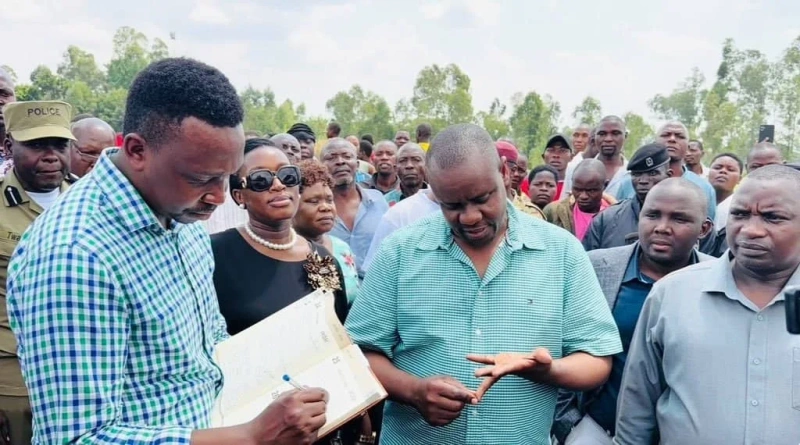
Uganda’s campaign against corruption is gaining fresh momentum as the Expose the Corrupt Campaign continues to turn citizens’ complaints into investigations, arrests, interdictions and court processes, with the latest figures showing that more than 150 suspects have been arrested in cases being pursued under the initiative.
The campaign, being undertaken through the State House Anti-Corruption Unit in partnership with relevant government institutions and with the involvement of the Ministry of Local Government under Hon. Balaam Barugahara, is focused on strengthening accountability, protecting public resources and ensuring that concerns raised by citizens are followed up with concrete action.
According to the latest campaign update, 200 district officials have so far been interdicted, while 43 people have been charged in court and about 80 case files remain under investigation or are pending further action.
The latest figures mark an increase from the earlier campaign position, which had recorded 115 arrests, 40 court actions and 60 case files as of August 31, 2026. The campaign has also reported cases with an estimated value of about Shs15 billion.
At the heart of the initiative is the belief that ordinary citizens have an important role to play in protecting public resources. Through community engagements, barazas and other platforms, citizens are encouraged to report suspected corruption and provide information that can help authorities establish the facts.
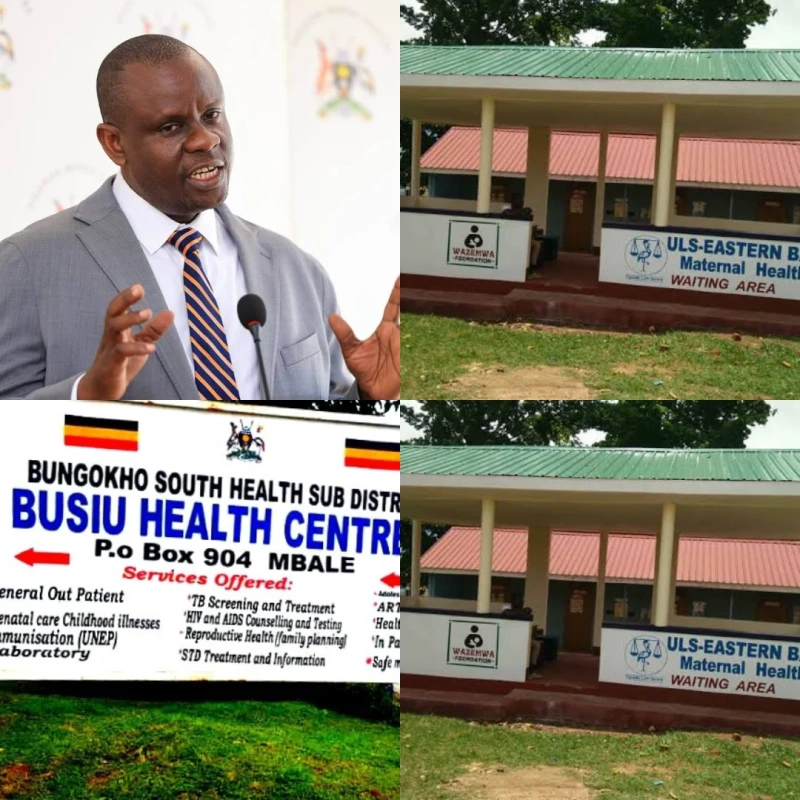
The campaign has particularly focused on following the money, inspecting government projects and strengthening technical and financial audits. Roads, schools, health facilities, procurement processes and other government programmes are among the areas being subjected to increased scrutiny.
This approach is intended to ensure that corruption allegations do not simply remain as complaints, but can progress through investigation, administrative action and, where evidence supports it, prosecution.
The State House Anti-Corruption Unit was established in December 2018 to coordinate citizens’ corruption complaints to the Presidency and work with constitutionally mandated agencies towards their speedy resolution. The Unit works within a broader government anti-corruption framework involving institutions such as the Police, Directorate of Public Prosecutions, Inspectorate of Government and Auditor General.
The campaign is also contributing to stronger local-government oversight, where accountability directly affects the quality of services received by citizens. When public funds intended for roads, schools, health centres and other community programmes are protected and properly utilised, the ultimate beneficiaries are the people who depend on those services.
Hon. Balaam Barugahara, who currently serves as Minister of Local Government, is part of the government leadership involved in strengthening local accountability and supervision. The State House Cabinet listing confirms his current portfolio.
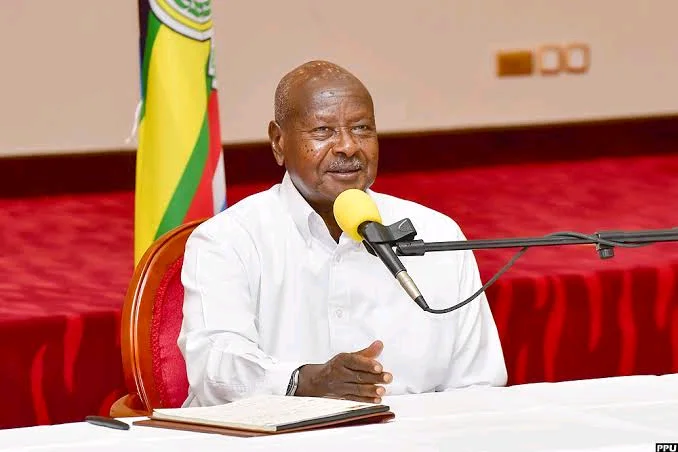
The campaign comes against the background of President Yoweri Kaguta Museveni’s longstanding call for stronger action against corruption. In his 2026 State of the Nation Address, President Museveni explicitly linked his call for “no more sleep” with “no more corruption”, warning against corruption and diversion from productive work.
On August 26, 2026, the President also publicly called for decisive action against corruption while addressing issues surrounding field inspections involving government officials. The matter was subsequently listed by State House under its dedicated “Fight Against Corruption” category.
President Museveni has further urged leaders at the local level not to remain silent when public resources are suspected to be misused. In March 2026, he called on leaders to expose corruption affecting citizens and warned that silence in the face of corruption can undermine public trust and service delivery.
The President’s position has also been expressed more broadly as a commitment to eliminating corruption through evidence-based action. In a 2024 presidential statement, Museveni said the fight requires an alliance between citizens and leaders, with evidence being used to pursue those responsible.
Against this background, the Expose the Corrupt Campaign is seeking to create a stronger connection between citizens who report wrongdoing and institutions responsible for investigating and prosecuting corruption.
The growing number of arrests, interdictions, court charges and active case files provides a picture of an accountability process that is moving from complaints to investigation and action.
For government, the expected benefit is stronger protection of public funds, improved supervision of government programmes and greater accountability among public officials. For local communities, the campaign provides an avenue to raise concerns about projects and services and seek official intervention where there are credible allegations of misuse of public resources.
The campaign therefore continues to advance a clear message: citizens should speak out against corruption, government institutions should investigate credible complaints, and public resources must be protected for the benefit of Ugandans.