Ssemaganda Moses Hope

Ssemaganda Moses Hope

Journalist at Kampala Media TV

849 published articles


Articles by Ssemaganda Moses Hope

Showing 243-253 of 849 articles
President Lanek Calls for Restoration of Purpose and Integrity in Uganda’s Gospel Music Industry Religious

President Lanek Calls for Restoration of Purpose and Integrity in Uganda’s Gospel Music Industry

President Dennis Lanek, a prominent leader among gospel music artists in Uganda, has issued a passionate call for a return to the foundational values that once defined gospel music in the country. His statement comes amid growing concern over the direction and impact of contemporary gospel music. According to President Lanek, gospel music in Uganda has undergone a significant transformation over the years. He noted that in the past, gospel songs were deeply rooted in faith—centered on praising God, teaching His Word, and ministering to people’s spiritual and emotional needs. These songs brought hope, peace, and encouragement, especially during challenging times. However, he expressed concern that many modern gospel songs have shifted away from this purpose. “Today, much of the music leans more toward entertainment than ministry,” he stated. “The lyrics have become shallow, and the songs lack lasting spiritual impact. They rise quickly in popularity but fade just as fast because they no longer carry the depth of God’s Word.” President Lanek also highlighted concerns about the personal lives and accountability of some gospel artists. He pointed out that many artists no longer operate under spiritual guidance or belong to a consistent church community. This lack of covering, he warned, has contributed to issues related to character, lifestyle, and public image that do not reflect Christian values. “There is a growing disconnect between the message and the messenger,” he added. “The way some artists present themselves—through their lifestyle, conduct, and appearance—raises questions about their commitment to the faith they profess.” He further noted that this trend has led to a decline in support from church leadership. Many pastors, he said, are increasingly hesitant to engage with gospel artists due to concerns about accountability and authenticity in ministry. President Lanek emphasized that gospel music was never intended to be merely a form of entertainment, but rather a powerful tool for spiritual transformation. He called on artists, producers, and stakeholders within the industry to realign with the original mission of gospel music. “There is an urgent need to return to truth, integrity, and the presence of God in our music,” he said. “Gospel music must once again become a vessel that draws people closer to God and impacts lives in a meaningful and lasting way.” His message serves as both a critique and a rallying call for renewal within Uganda’s gospel music community, urging a recommitment to purpose, character, and spiritual authenticity. 

President Museveni Praises Late Msgr. Expedito Magembe, Pledges Support for Bukalango Shrine Religious

President Museveni Praises Late Msgr. Expedito Magembe, Pledges Support for Bukalango Shrine

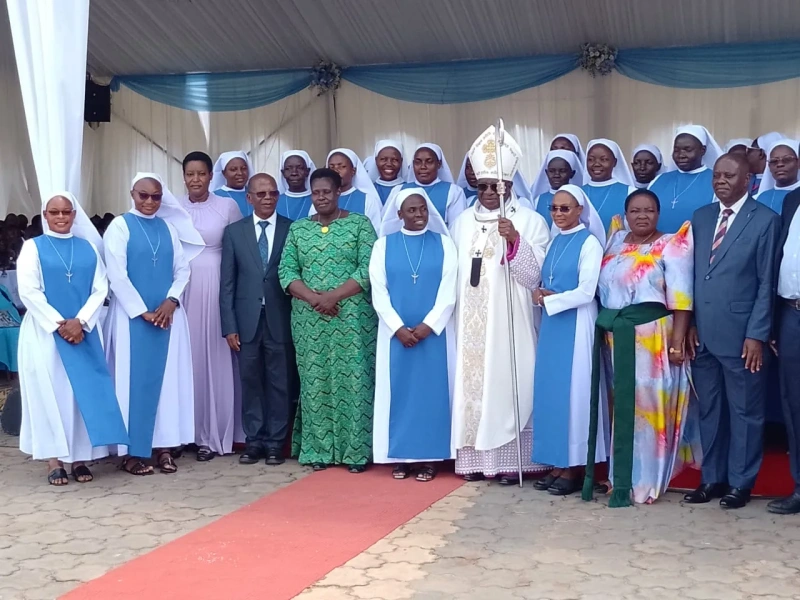
 President Yoweri Kaguta Museveni has paid glowing tribute to the late Msgr. Expedito Magembe for his exceptional courage, dedication, and visionary leadership in establishing the renowned Bukalango Prayer Centre. The message was delivered on his behalf by the Vice President, Jessica Alupo, during celebrations marking 25 years since the founding of the shrine. In his message, President Museveni acknowledged Msgr. Magembe’s unwavering commitment to spiritual growth and community development, describing him as a selfless servant whose legacy continues to inspire thousands of faithful. The President reaffirmed government commitment to supporting the development of the shrine and made several pledges, including the construction of sisters’ residences, a large modern church, a perimeter fence, and a convent house for the sisters. He emphasized that all these projects will be completed as part of government support toward faith-based institutions. In addition, President Museveni contributed UGX 50 million in cash to support the construction of houses for the Reverend Fathers. During the same event, the Prime Minister of Uganda also contributed UGX 35 million towards the development efforts.The President further commended the Archbishop of Kampala, Paul Ssemogerere, for fostering strong collaboration between the Catholic Church and the government. In his remarks, Archbishop Ssemogerere expressed deep gratitude to the government for its continued support and specifically thanked John Chrysostom Muyingo for his consistent contributions toward the growth of the Catholic Church across the country. Hon. Dr. Muyingo reaffirmed his commitment to continue supporting church initiatives, pledging to provide ongoing financial assistance to ensure that church projects and pastoral activities continue to thrive. The event celebrated 25 years of Bukalango’s spiritual impact while highlighting the strong partnership between the Catholic Church and the Government of Uganda in promoting faith, development, and community transformation. 

Seeta High School Main Campus Holds Thanksgiving Mass to Celebrate 2025 UCE And UACE Success Featured

Seeta High School Main Campus Holds Thanksgiving Mass to Celebrate 2025 UCE And UACE Success

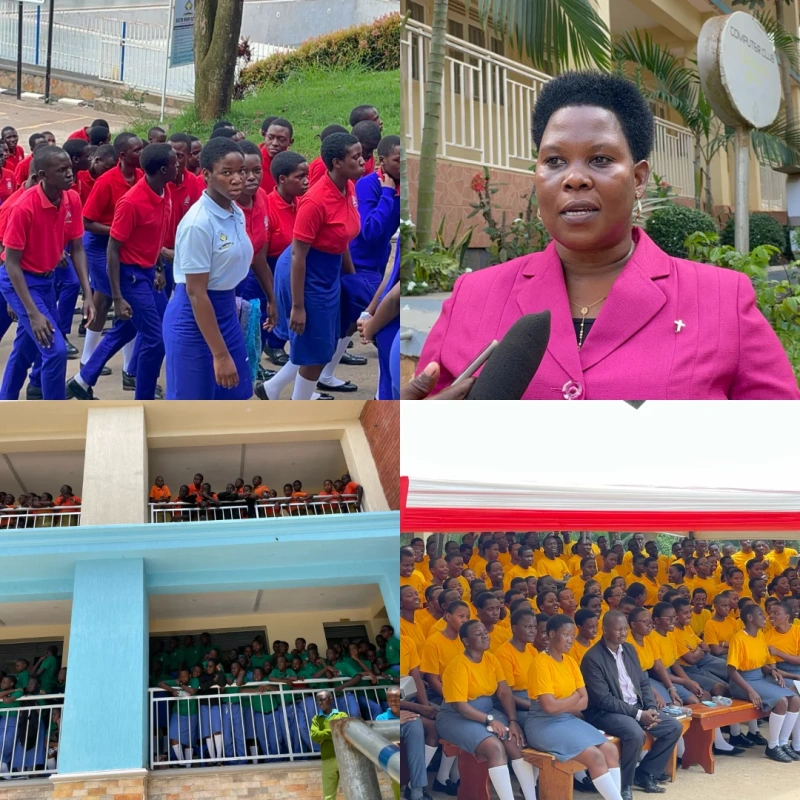
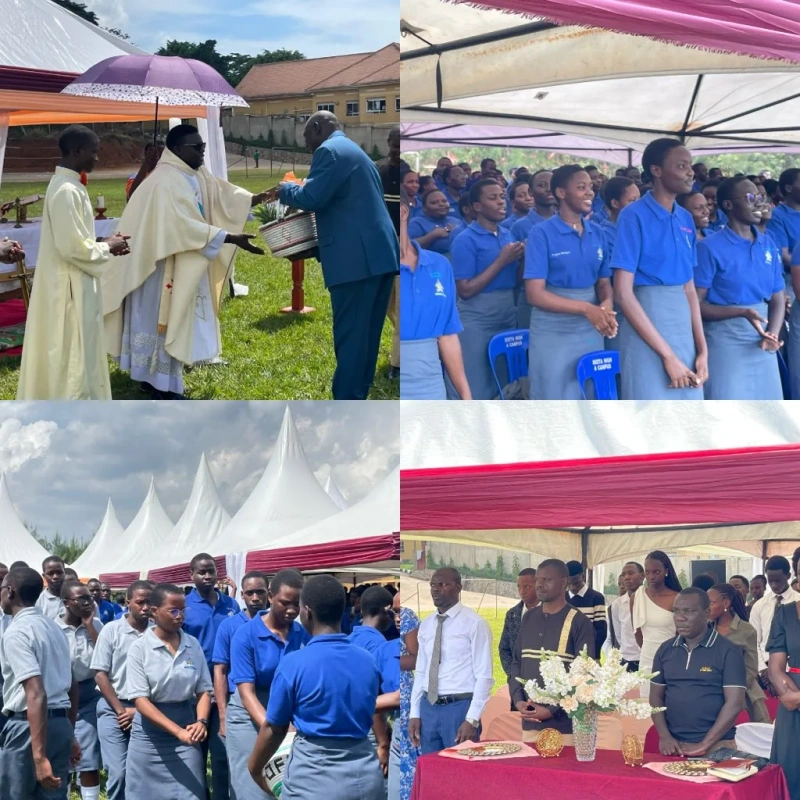
Seeta High School Main Campus held a thanksgiving Mass in appreciation of God’s guidance and blessings following the successful performance of its candidates in the 2025 Uganda Certificate of Education (UCE) and Uganda Advanced Certificate of Education (UACE) examinations. The Mass was led by Rev. Fr. Michael Serunkuuma of Lwamagwa Parish in Masaka Diocese, who congratulated the students upon their achievement. He urged them to remain disciplined, humble, and focused as they transition to higher institutions of learning. Fr. Serunkuuma emphasized the importance of pursuing academic programs that contribute to national development and cautioned students against pride and self-importance as they advance in their education journey. The thanksgiving ceremony brought together candidates who sat for the 2025 examinations, parents, teachers, and religious leaders, all united in gratitude and celebration. Speaking at the event, the Head Teacher, Ms. Namulondo Lilian, expressed appreciation to the founders of Seeta High Schools for their continued vision and support in promoting academic excellence. She encouraged the outgoing students to continue their education journey and consider joining Seeta University, particularly in science-related disciplines. One of the top-performing students, Kaitesi Deborah Mirembe, expressed heartfelt gratitude to the school administration and teachers for their unwavering support throughout her academic journey. She credited her success to the conducive learning environment, strong academic guidance, and the discipline instilled in students at Seeta High School. “Our teachers have been supportive and committed to ensuring we succeed. The school environment motivated me to work hard and stay focused,” she noted. Class teacher Mr. Tamale Ivan also commended the collective effort behind the students’ success, emphasizing the importance of teamwork among teachers, students, and parents. “This achievement is a result of teamwork. The cooperation between the teaching staff, the students, and their parents has been key in delivering these results,” he said. Seeta High School Main Campus continues to uphold its reputation for academic excellence, discipline, and holistic student development. 

Mulwana Appeals to President Museveni Over Trade Enforcement Hardships Across Uganda National

Mulwana Appeals to President Museveni Over Trade Enforcement Hardships Across Uganda

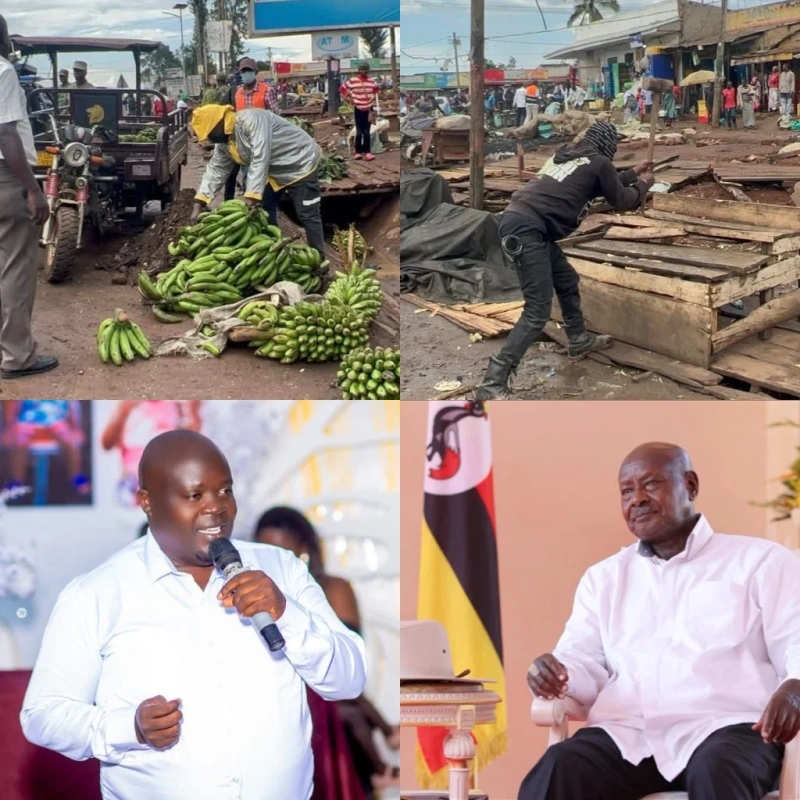
Uganda — Mr. Samuel Mulwana, the Publicity Secretary of the NRM Worker’s League in Luwero, has made a heartfelt and respectful appeal to Yoweri Kaguta Museveni, urging urgent intervention in response to the hardships caused by the ongoing enforcement of trade order regulations across Uganda.In a message addressed directly to the President, Mulwana expressed deep concern over the widespread suffering being experienced by traders, workers, and vulnerable communities throughout the country. While acknowledging the importance of organized and regulated trade, he emphasized that the current enforcement approach has negatively affected livelihoods on a national scale. Mulwana noted that small-scale businesses are a lifeline for many Ugandans, including youth, single mothers, widows, and informal traders. However, he stated that many have been abruptly displaced without sufficient notice, proper sensitization, or provision of alternative trading spaces. “These businesses are the backbone of survival for countless families across Uganda,” Mulwana stressed, warning that the sudden disruption has left many struggling to meet basic needs such as food, school fees, and healthcare. He also raised concern over reports of harsh enforcement methods, which he said have caused both physical and psychological distress. According to Mulwana, such actions risk eroding public trust in government institutions and creating fear among citizens trying to earn a lawful living.The appeal further highlighted the financial vulnerability of traders who had invested loans, personal savings, and funds from initiatives such as the Parish Development Model (PDM). Mulwana cautioned that abrupt closures could result in widespread debt, business collapse, and long-term economic hardship. Beyond individual impacts, he warned of broader social consequences, including rising tension within communities, increased frustration among unemployed youth, and greater struggles for women-led households.In his appeal, Mulwana respectfully called on the President to take swift and compassionate action. He proposed key measures including enhanced public sensitization on trade policies, establishment of accessible alternative trading spaces, financial and logistical support for affected traders, and a phased, humane enforcement strategy that avoids the use of force. He concluded by expressing confidence in the President’s leadership, urging the President to address the situation in a manner that restores dignity, stability, and hope for all Ugandans.The appeal comes amid continued enforcement of trade regulations in various parts of the country, highlighting the need for a balanced approach that safeguards both order and livelihoods.

BREAKING NEWS: SEETA University Secures National Accreditation to Offer Bachelor of Pharmacy Programme by the Pharmaceutical Society of Uganda National

BREAKING NEWS: SEETA University Secures National Accreditation to Offer Bachelor of Pharmacy Programme by the Pharmaceutical Society of Uganda

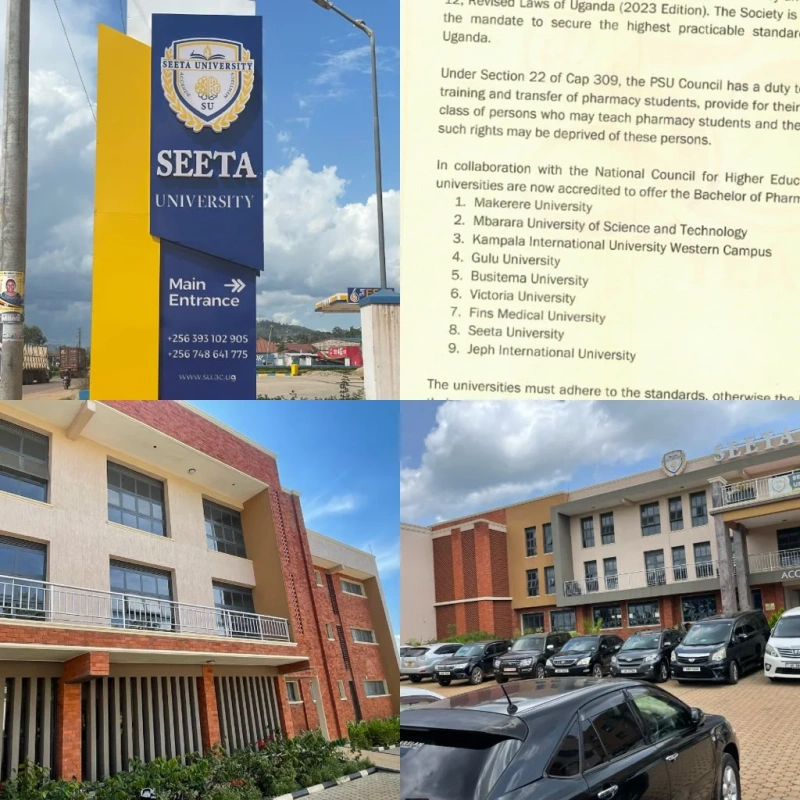
 SEETA University has achieved a major milestone in its rapid rise within higher education, following its official accreditation by the Pharmaceutical Society of Uganda (PSU) to offer the Bachelor of Pharmacy programme. The announcement, issued in a public notice dated 16th April 2026, confirms that SEETA University has met the rigorous academic and professional standards required to train future pharmacists in Uganda. This recognition places the institution among a select group of universities entrusted with shaping the country’s pharmaceutical workforce.This development marks a significant step forward for SEETA University, reinforcing its position as one of the fastest-growing universities not only in Uganda but across Africa and beyond. The accreditation reflects the university’s strategic investment in quality education, modern infrastructure, and global academic partnerships.A key driver behind SEETA University’s success has been its strong international collaborations, particularly with leading institutions such as Teesside University. These partnerships have enabled the university to align its curriculum with global standards, integrate advanced teaching methodologies, and expose students to international best practices in pharmaceutical sciences. In addition, SEETA University has made substantial investments in state-of-the-art laboratory facilities and cutting-edge equipment designed to meet and exceed regulatory requirements. These resources provide students with hands-on, practical training that is essential for competence in modern pharmacy practice. The institution’s commitment to maintaining high-quality learning environments ensures that graduates are well-prepared for both national and international professional demands.The PSU emphasized that all accredited universities must continuously adhere to strict standards, with the council retaining the authority to withdraw recognition if requirements are not maintained. This underscores the significance of SEETA University’s achievement and its ongoing responsibility to uphold excellence. Under the new framework, all pharmacy students in Uganda are required to register annually through the PSU Pharmacy Student Portal, ensuring proper regulation and tracking of training. Graduates will also undergo standardized pre-internship and post-internship examinations administered by the PSU Council before qualifying for professional registration. SEETA University’s inclusion in the accredited list signals growing confidence in its academic systems and institutional capacity. It also highlights the university’s broader vision of becoming a center of excellence in health sciences education, contributing meaningfully to Uganda’s healthcare sector and the global pharmaceutical landscape.Other universities accredited to offer the Bachelor of Pharmacy programme include Makerere University, Mbarara University of Science and Technology, Kampala International University (Western Campus), Gulu University, Busitema University, Victoria University, Fins Medical University, and Jeph International University. As SEETA University celebrates this landmark achievement, it continues to position itself as a dynamic and forward-thinking institution, committed to innovation, quality, and global relevance in higher education. 👁️👁️16210 Views …

Lawmakers Push for Shs8 Billion to Build Regional Justice Offices Amid Rising Case Backlog National

Lawmakers Push for Shs8 Billion to Build Regional Justice Offices Amid Rising Case Backlog

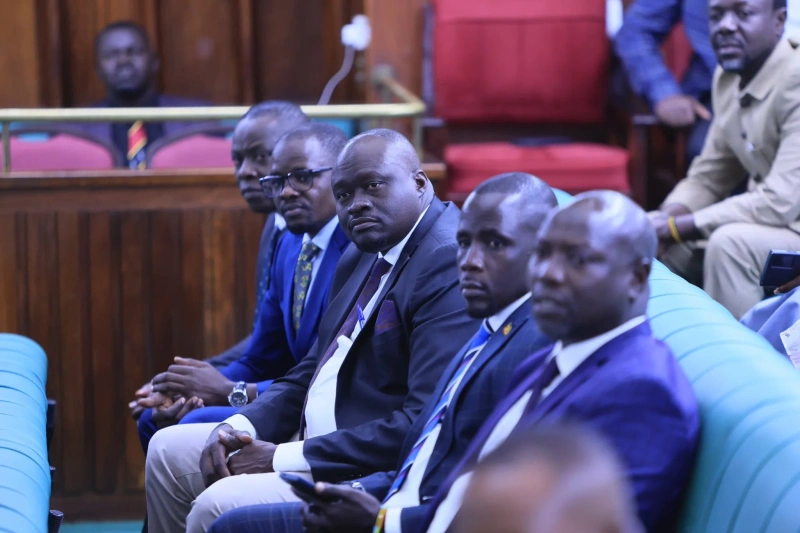
 Lawmakers have renewed focus on the persistent case backlog, urging government to allocate Shs8 billion for the construction of regional offices for the Ministry of Justice and Constitutional Affairs, a move they say will ease case congestion and expand access to justice across the country. This was contained in the report of the Committee on Legal and Parliamentary Affairs on the Sector’s Ministerial Policy Statement and Budget Estimates for Financial Year 2026/2027 presented by Deputy Chairperson, Hon. John Teira, during the plenary on Thursday, 16 April 2026. The committee’s findings indicated that the justice ministry continues to face challenges in delivery of justice due to inadequate infrastructure and limited tools. “With only seven regional offices serving an average of 25 districts each, workloads and case backlogs remain high, and access to justice especially for vulnerable groups such as orphans and widows is constrained by long travel distances of up to 400 kilometers,” read the report in part. Teira pointed out that whereas five regional offices were commissioned in 2025/2026 in Iganga, Masaka, Hoima, Kabale and Lira, they are operating in rented spaces, raising the need for a permanent regional office. “There is need to construct a permanent regional office over the five-year period and this would require at least Shs8 billion,” said Teira. The Committee also recommended the recruitment of more State Attorneys, under the Office of the Directorate of Public Prosecution (ODPP) to reduce on the workload and improve on perusal of case files, saying that staffing stands at 759, against the required 1,734.“The Committee finds this requirement critical and recommends an additional Shs20 billion instead of the Shs10 billion requested to be provided to the ODPP during financial year 2026/2027 to facilitate recruitment of staff to close the prosecutor to case ratio and increase the scope of criminal prosecution services across the country,” read the report in part. Additionally, the Committee made a case for allocation of Shs8 billion for operationalisation of ODPP offices in 32 districts. “The ODPP is not present in 32 districts and more than 100 outer courts with Grade I Magistrates and this has affected delivery of prosecution services,” the report read in part. To fasten the adjudication processes and reduce person to person interactions, hence mitigating corruption, the Committee urged government to provide Shs13.7 billion to enable the roll out of the Electronic Court Case Management System. Hon. Isaac Otimigiw (NRM, Padyere County), welcomed the recommendation to construct regional offices for the Justice Ministry, saying that this will ensure that access to justice is not delayed. “Under funding of most of the areas in the judiciary is causing back log in cases- you find that a case is delayed because there is no money to transport witnesses. As a result we have people in prison for over two years because of simple logistical issues and this erodes trust in the judiciary,” said Otimigiw. Ntoroko County MP, Hon. Ibanda Rwemulikya, on the other hand agreed with the Committee’s recommendation to recruit more State Attorneys, saying that the elderly and poor cannot access judicial services because they cannot travel long distances. “In Ntoroko, we do not have any State Attorney, you have to travel to Bundibugyo and some people cannot travel. I also thank the Committee for recommending construction of regional offices,” he said. Hon. Joseph Ssewungu (NUP, Kalungu West County) equally argued that adequate staffing of State Attorneys will ensure increased access to justice, thereby reducing the budget on feeding prisoners.Hon. Ibrahim Ssemujju (FDC, Kira Municipality), however called on the Committee on Legal and Parliamentary Affairs to audit the independence of the judiciary and the quality of judgements. “While we are advocating for more funds, we should be concerned with ensuring the judiciary is being more accountable, they should stop being partisan. The Committee should not only be concerned with quantitative performance of the judiciary but also with quality, not just to clear backlogs,” said Ssemujju. 

Kampala Geopolitics Conference Returns for Its 9th Edition at Makerere University National

Kampala Geopolitics Conference Returns for Its 9th Edition at Makerere University

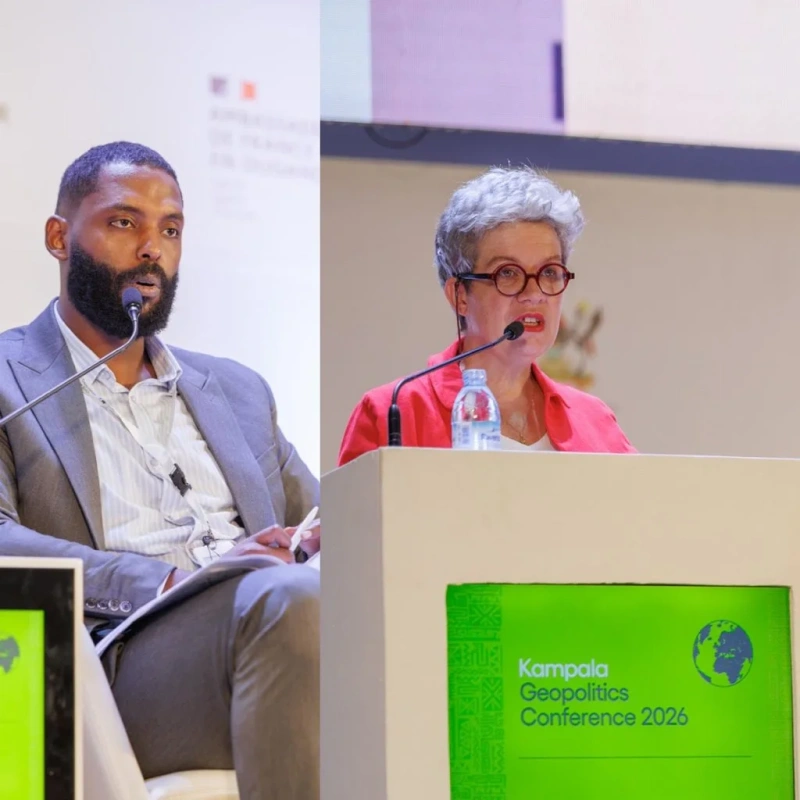
Kampala, April 15, 2026 — The 9th annual Kampala Geopolitics Conference has officially opened today at Makerere University, bringing together a diverse and influential audience of policymakers, scholars, diplomats, students, and members of the public. Running from April 15th to 16th, this year’s conference continues its tradition of fostering candid, grounded conversations about global affairs—and, more importantly, what they mean for Africa. At its core, the conference is built on a deceptively simple idea: to talk honestly about the world as it actually is. In an era marked by shifting alliances, economic uncertainty, and evolving power dynamics, that mission feels more urgent than ever. This year, global events have provided no shortage of material. The conference agenda features six carefully curated panels addressing some of the most pressing fault lines in African geopolitics today. These discussions move beyond theory, focusing instead on real-world implications for governments, communities, and the continent’s emerging leaders. The conversations center on money, economic sovereignty, power, youth, and the future of international cooperation—not as abstract ideas, but as immediate, lived challenges shaping Africa’s trajectory. One of the standout discussions focuses on the Horn of Africa, a region that continues to sit at the crossroads of cooperation and conflict. The panel will examine whether the Horn is moving toward genuine cooperation or slipping into competitive fragmentation, and whether existing regional mechanisms are strong enough to manage current tensions or simply not built for this moment. What sets the Kampala Geopolitics Conference apart is its commitment to openness. It is not just a forum for experts, but a space where multiple voices—from seasoned diplomats to students—can engage with complex global issues. As the conference unfolds over the next two days, it promises not only analysis, but also reflection and debate—helping to shape how Africa understands its place in an increasingly uncertain world. 

President Museveni Sends Warm Birthday Message to Kabaka Mutebi at 71st Celebration National

President Museveni Sends Warm Birthday Message to Kabaka Mutebi at 71st Celebration

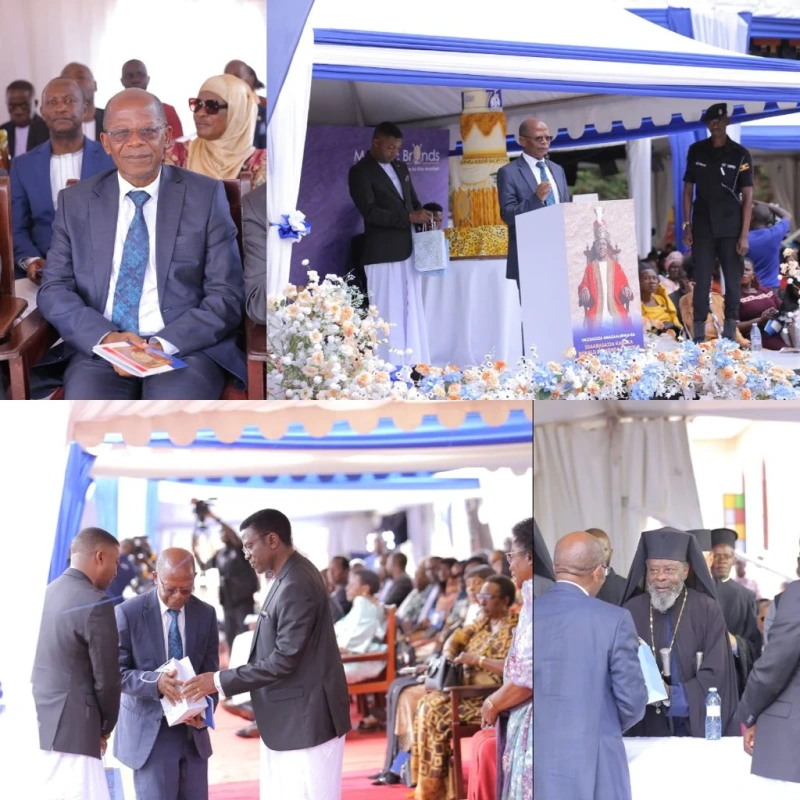
 Kampala, Uganda The Government of the Uganda has reaffirmed its longstanding relationship with the Buganda Kingdom during the 71st birthday celebrations of His Majesty Ronald Muwenda Mutebi II. Representing H.E. Yoweri Kaguta Museveni, the Minister of State for Higher Education, John Chrysostom Muyingo, delivered a heartfelt message of goodwill and unity at a ceremony held at Namungoona Orthodox Church.In his remarks, Dr. Muyingo conveyed the President’s “great love and warm wishes” to the Kabaka on the occasion of his 71st birthday. He emphasized the deep-rooted and historic relationship between the central government and the Buganda Kingdom, noting that this partnership has played a significant role in fostering national cohesion and cultural preservation. “The President sends his sincere congratulations and reiterates the importance of continued collaboration between the people of Buganda and all Ugandans,” Dr. Muyingo stated. As a symbolic gesture of goodwill, the President presented a birthday gift of UGX 20 million in cash to the Kabaka, which was formally handed over during the celebration. The gesture was warmly received, underscoring mutual respect and shared commitment to unity and development. Dr. Muyingo further called for strengthened unity among the people of Buganda and the wider Ugandan population, highlighting that harmony remains essential for national progress.The event brought together religious leaders, cultural dignitaries, and members of the public, all gathered to celebrate the life and leadership of the Kabaka, whose reign continues to inspire cultural pride and social cohesion. The Government of Uganda reiterated its commitment to working closely with traditional institutions, recognizing their vital role in promoting peace, identity, and inclusive development across the country. 

The Lira We Knew, and the City We Found  By Carolyne Muyama and Sarah Nanteza Kyobe Featured

The Lira We Knew, and the City We Found By Carolyne Muyama and Sarah Nanteza Kyobe

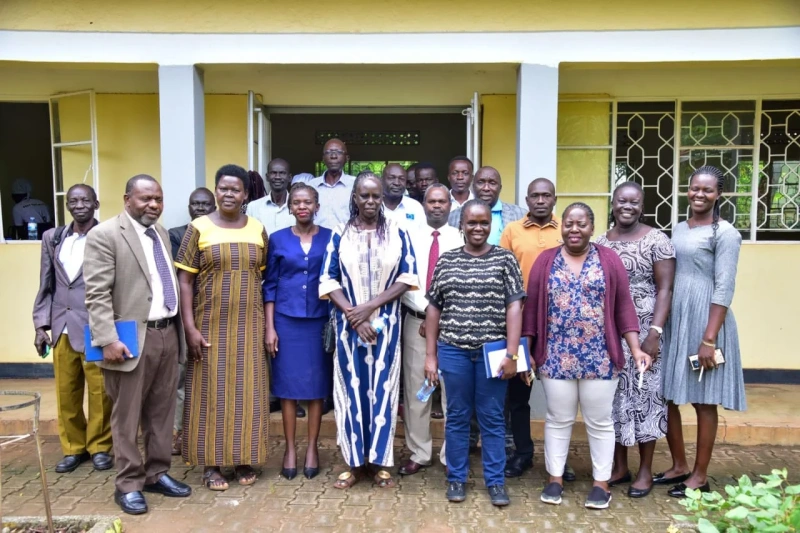
 As part of the Uganda Media Centre team, we visited Lira District to track the flow of money. When the government allocates funds to districts for programs such as the Parish Development Model (PDM), Emyooga, and infrastructure projects, people in Kampala often see only numbers on spreadsheets. “Our job was to assess how different government programs are impacting the lives of ordinary Ugandans and whether the 'Value Addition'discussed in boardrooms is happening in the villages of Lango,” said Carolyne Muyama, the team leader of the group. If you haven’t been to Lira in fifteen years, you might get lost in your own backyard. The last time I was in Lira was in 2010, a period of quiet recovery. Dust settled on low-roofed buildings, and the town, which hadn’t yet become a city, felt more like a busy trading hub catching its breath after years of instability. It was a hub for NGOs, and most vehicles speeding through town were NGO vehicles.One of the most devastating LRA incidents was the Barlonyo massacre in Ogur Sub County, Lira, where rebels ordered internally displaced persons in the camp to enter their thatched huts, then set them on fire, killing nearly 190 people. The LRA insurgency in northern Uganda went on for two decades, and lives and property were lost.In 2010, life was beginning to return to normal, and business activities were gradually resuming. People were slowly leaving the camps and returning to their homes after two decades of instability.Today, Lira has a new look. It features the impressive Lira Main Market, towering skyscrapers, large concrete buildings, and well-paved roads. The nightlife remains lively as trucks come and go, night revelers arrive and leave, and bars stay open all night. In the morning, traders rush to their stalls, children head to school, trucks and buses move through the city, and bodabodas weave in and out, delivering goods and people. It’s a truly refreshing sight.The Purpose of Our Journey: Tracking the Shilling A Unified Front: The Warm Welcome of LiraOur first stop was at the Lira District offices,where we met with the leaders and technical staff. We received a very warm welcome that made our challenging task feel easier. There is rare and strong cooperation between the leaders of Lira City and Lira District. Ms. Lilly Eyal, the Resident District Commissioner, did a good job briefing and gathering her team, which included the Chief Administrative Officer, Mr. Ismail Ocheng. Whether it was the technical staff, political leaders, or security teams, everyone was working together harmoniously. They didn't just show us the "shining parts"; they walked with us into the muddy farms and the noisy markets. This unity among leaders is the secret power behind Lira’s quick transformation. When leaders work together, the money sent from the center isn't lost; it gets used effectively.  Mr. Ismail Ocheng, the Chief Administrative Officer of the District, gave us an overview of theprogress of different government programs. “The government has invested UGX 22 billion into the local economy of Lira District, and over 90% of this money has been sent to the communities.Extension services in the district are better due to significant government funding. Although these services are not yet sufficient, the situation is better than it was eight years ago; now all sub-counties have at least two extension workers,” he said.The New Lira Skyline: A Hub of Industry As you enter the city, the first thing you notice isn't the dust; it’s the cranes and the skyscrapers. Private hotels that look like they belong in Kampala are popping up everywhere. The Lira Main Market stands like a giant monument in the middle of town, clean and organized. It has transformed Lira from a simple stopover into a true destination. Lira has become a significant industrial center for the agro-processing sector, hosting many plants that process sunflower, soybeans, maize, and rice, as well as well-established oilseed crushers and commercial grain mills. The growing manufacturing industry also includes soap production, food processing, packaging, and cotton ginning. Small-scale industries in the municipality include metal fabrication, woodworking, and brickmaking. Under a presidential initiative, Lira hosts a Zonal Industrial Hub focused on skills development in carpentry, tailoring, and value addition. The district serves as a key hub for marketing, producing, and distributing livestock and staple crops such as cassava, beans, and sesame. Alignment with NDPIV: Value Addition and Economic TransformationThe shift from exporting raw materials to processing clearly aligns with the National Development Plan IV (NDPIV). By turning sunflowers into cooking oil and refining shea butter for the global market, Lira supports the NDPIV goal of agro-industrialization. These industries create a sustainable value chain that connects local farmers to high-value markets, generating jobs and keeping the wealth from the land within the community. This move toward manufacturing and processing ensures that Uganda’s growth is driven by adding value to locally grown products before they reachconsumers. Mwalimu Smart Farm: Kicking Hunger Out of AyacIn the gardens, we met successful farmers like Mr. Patrick Olobo of Mwalimu Farm in Ayac Village, who grows bananas, coffee, azolla, and rears pigs. Olobo is a former teacher who responded to President Museveni’s call to turn his home into an "economic unit." Patrick didn’t just build a farm; he created a movement by mobilizing his workers and neighbors to grow bananas. At Mwalimu Smart Farm, Olobo’s real harvest is the community he has mobilized to grow bananas with him. He gives his workers banana suckers to plant at their own homes and teaches them the "M27" variety techniques he learned from NARO. Thanks to the Micro-scale Irrigation Program, Patrick can harvest bananas year-round. “As long as the government has not brought superglue to close Ugandans' mouths, I will continue to smile because I can even travel abroad on my own because of farming. I am better off than I was as a teacher because I can comfortably pay my children's school fees,” said Olobo. Olobo received an irrigation set through the micro-scale irrigation program. He benefits from the services of extension workers who make regular visits to advise on best practices. He received and planted 1000 coffee seedlings three years ago, and he has started harvesting and selling. He removes the husks from his coffee and uses them for mulching his banana gardens. The Story of Milly Grace Ajoro: From Struggle to Success.Ms. Milly Grace Ajoro is an entrepreneur in Lira town who sells handicrafts. However, this hasn’t always been her life. Ajoro was a single mother struggling to care for her children because she lacked a steady income. She used to borrow money from moneylenders, which she found hard to repay due to high interest rates. When she heard of Emyooga, Ajoro joined Erute North Women Entrepreneurs SACCO and got an affordable loan to boost her business. Today, sheruns a thriving business making sweaters, baby clothes, and shoes. "I am no longer a beggar," she says, her eyes bright with pride. "My daughters are in school, their fees are paid on time, and I have expanded my stock. The government gave me the hook; I did the fishing." Ajoro is also the chairperson of Erute North Women Entrepreneurs SACCO, comprising 102 members, worth UGX 196m, up from the UGX 50m they started with.Members borrowed this money and used it for various activities; some went into winemaking, cosmetics production, pig farming, poultry farming, and honey processing, which we witnessed ourselves.Ms. Immaculate Abeja didn't find a job after school but knew how to make wine. She started with UGX 25,000 and produced a 5-liter jerrican of wine, which she sold. When she realized there was a market for her wine, she joined Erute North Women Entrepreneurs SACCO to access Emyooga funds. “I borrowed UGX 200,000, which I invested in my wine to improve branding and production. I also started a new product line, composite flour, which I sell locally,” said Abeja.The women in Erute North Women Entrepreneurs SACCO represent thousands of women in Lira who no longer just "stay in the garden." They are entrepreneurs who rush from the garden to market stalls to trade. Many of them have lockups and buy and sell produce, which helps them support their families and gives their children a better life than they had. Mr. Otim Patrick of Adur village, Ogur Sub-County, received UGX 1,000,000 in PDM funds in 2023 and used it to grow maize, which he sold for UGX 2,000,000. From the UGX 2,000,000, he bought a cow for UGX 750,000, which gave him a calf after three years. He used the remaining money to educate his children and expand his maize field. In the second season, Otim earned UGX 3,500,000 from his harvest, which he used to buy a second-hand motorcycle for UGX 1,800,000 and another cow.From the PDM Funds, Otim now has two cows and a calf, can pay for the children's schooling, and has expanded into farming soya beans on 4 acres.The Foundations: Health, Education, and RoadsThe effects of Parish Development Model funds are seen in the health sector. According to the District Health Officer of Lira District, Dr. Patrick Ocan Buchan, more people can access healthcare because they have some spare money; some have bought bicycles and boda bodas to reachhealth facilities. They no longer must walk long distances.Accessing markets is easier thanks to an improved road network. The government allocates UGX 1 billion to each municipality for road maintenance. UNRA has also worked on strategic roads such as the Rwenkunye-Apac-Lira–Puranga Road (191 km), which connects the greater Lango sub-region to the Gulu Highway and Masindi port. The road from Corner Kamdini to Lira City is well-paved. To support seed farming, the district launched UGX 800 million road construction projects under the National Oil Seeds Project (NOSP) to improve market access. 

Seeta High School A Campus Celebrates Exceptional UACE 2025 Results with Thanksgiving Mass Education

Seeta High School A Campus Celebrates Exceptional UACE 2025 Results with Thanksgiving Mass

Seeta High School A Campus has held a special thanksgiving Mass in appreciation of its outstanding performance in the UACE 2025 examinations, further cementing its reputation as one of Uganda’s leading academic institutions. According to the school administration, the 2025 candidates delivered exceptional results, with a 100% university qualification rate. A significant number of students attained 20 points and above, with several achieving the maximum 20 points, demonstrating excellence across all subject combinations. The thanksgiving Mass was led by Father Mark Dagani Muryanti from Jinja Diocese, Iganga Parish. In his sermon, he commended the candidates for their dedication and urged continuing students to remain disciplined, focused, and grounded in faith. “Success comes from both effort and faith. Trust in God and remain committed to your goals,” he emphasized. The Headteacher, Ramathan Songa, praised the students, teachers, and parents for their collective effort in achieving the remarkable results. “A 100% qualification rate is a clear testament to the hard work, discipline, and strong academic systems we uphold as a school,” he noted. He also extended appreciation to the founders, Dr. JC Muyingo and Rose Namayanja Muyingo, for their continued support and commitment to excellence in education. “The support from our teachers was incredible. They pushed us to aim higher every day and gave us the confidence to excel.”“Seeta High School provided the perfect environment to focus. The academic programs and motivation from teachers helped us achieve our goals.” “As a parent, I am extremely grateful to the administration and teachers. They not only focus on academics but also discipline and character, which is why the results keep improving.”The thanksgiving Mass remains a key tradition at Seeta High School A Campus, bringing together the school community to reflect, celebrate achievements, and inspire future candidates. With consistent outstanding performance in national examinations, the school continues to set the pace in delivering quality education grounded in discipline, hard work, and faith. 

Kyankwanzi signals over 85% support for Among as speakership race  gains momentum Political

Kyankwanzi signals over 85% support for Among as speakership race gains momentum

 Kyankwanzi — Momentum is building in favor of Speaker Anita Annet Among as the race for leadership of the 12th Parliament intensifies, with reports from Kyankwanzi indicating she commands the support of over 85% percent of legislators.Her deputy, Thomas Tayebwa, is similarly enjoying strong backing, reinforcing a growing consensus within the NRM in favor of continuity at Parliament.This strong support follows a recent recommendation by the party’s Central Executive Committee (CEC), which endorsed Among and Tayebwa to carry the NRM flag in the upcoming Speakership contest. President Yoweri Kaguta Museveni while addressing the Kyankwazi retreat  lastbweek noted that the reasons behind the CEC’s decision  to retain the two will be communicated at the appropriate time. The process now shifts to the NRM Parliamentary Caucus, where Members elect  are expected to deliberate on the resolution before taking a formal position. Thereafter, the matter will proceed to a vote. Despite the ruling party’s numerical strength which ultimately determines the speaker, the Opposition is expected to field candidates to ensure  a competitive electoral process in line with parliamentary tradition. Supporters of Among point to her track record in steering parliamentary business, maintaining unity within the House, and providing steady leadership during a critical period. Most legislators we spoke to  say this has translated into widespread confidence among legislators, as reflected in the reported levels of support.In Uganda’s parliamentary system, both the Speaker and Deputy Speaker are elected not appointed.News coming from Kyankwanzi signals to an overwhelming majority in favour of  Among and her deputy Tayebwa.

© Copyright 2026, All Rights Reserved