
By Mutuunzi Saul
Uganda’s capital markets are entering a new phase focused on expanding investment opportunities beyond Kampala, embracing technology, attracting long-term capital and increasing public participation, the Capital Markets Authority (CMA) has said.
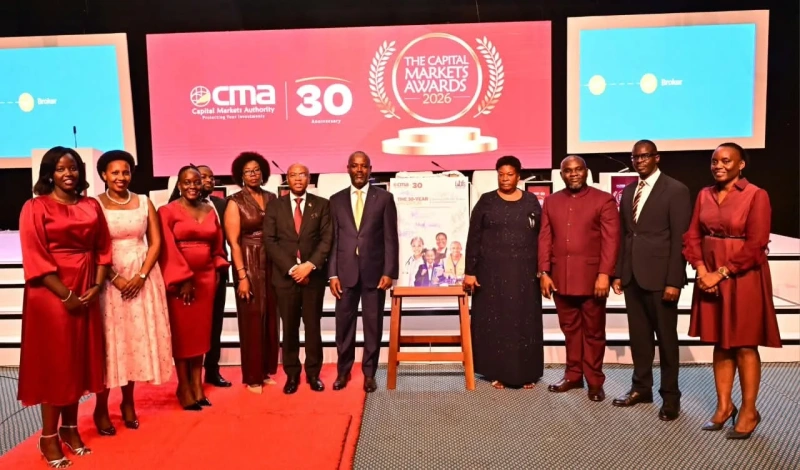
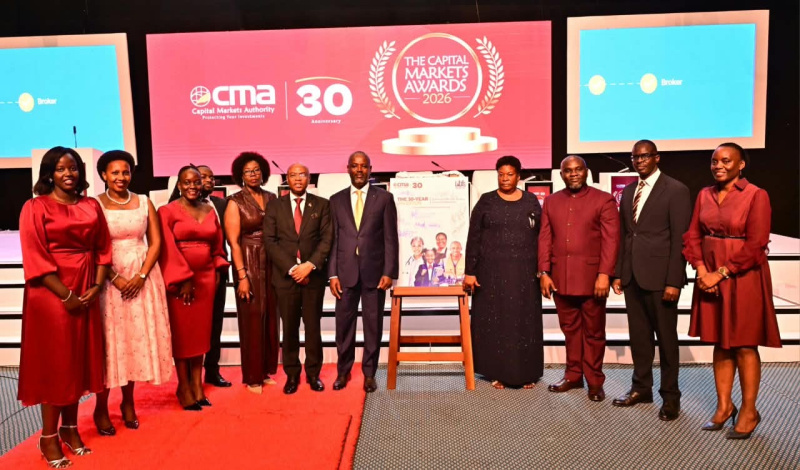
The authority made the remarks as it celebrated 30 years of regulating and developing Uganda’s capital markets under the theme “Re-imagining Uganda’s Capital Markets for a Sustainable Future.”
CMA Chief Executive Officer Josephine Okui Ossiya said the authority’s priority is to maintain investor confidence while building a fair, transparent and orderly market capable of contributing more significantly to Uganda’s economic growth.
Ossiya noted that Uganda’s capital markets have made progress over the past three decades, with growth in collective investment schemes, public offers and market capitalisation demonstrating the sector’s expanding role in financing and investment.
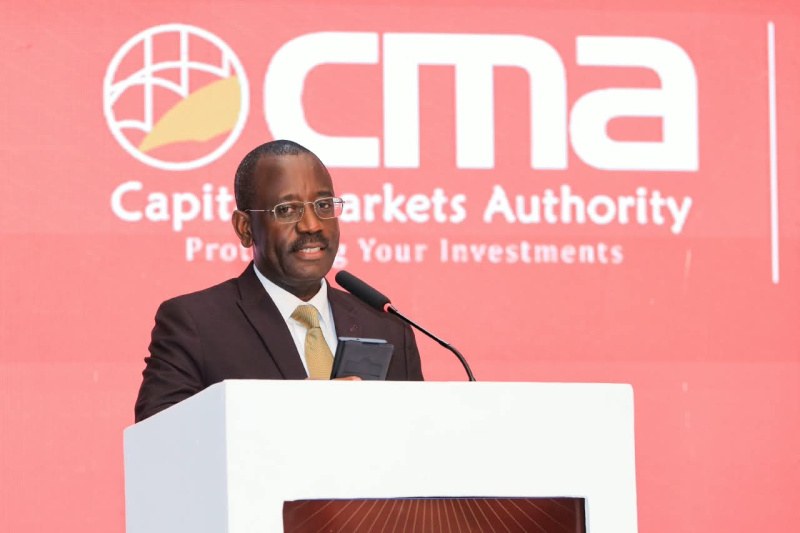
She said CMA is also embracing financial innovation through a regulatory sandbox that allows market participants to test new financial products, assess potential risks and develop appropriate safeguards before introducing them to the wider market.
The initiative is intended to encourage innovation while protecting investors and maintaining confidence in the financial system.
CMA Board Chairperson Saul Sseremba said technology would be central to the next phase of the country’s capital market development, particularly in making investment opportunities more accessible to ordinary Ugandans.
He observed that Uganda’s capital markets have evolved considerably since the authority was established in 1996, moving from paper-based share certificates and open-outcry trading to electronic records and automated trading systems.
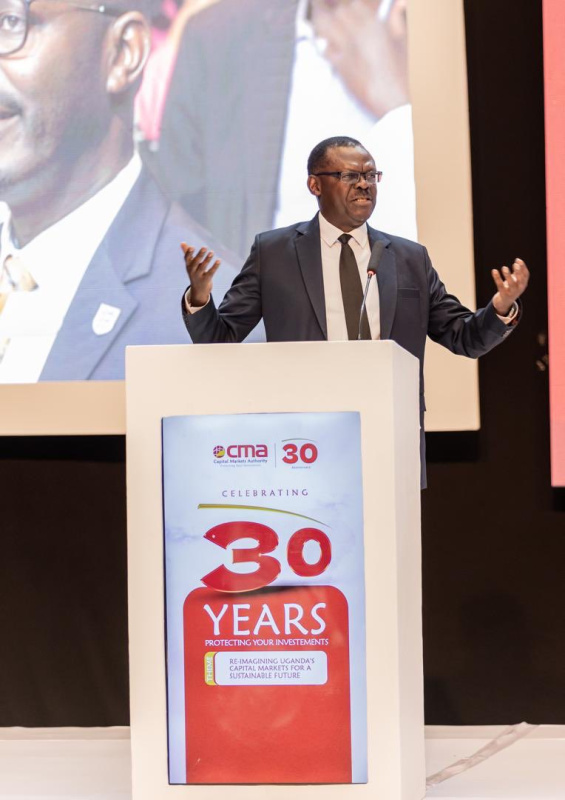
However, Sseremba said the next challenge is to ensure that technological advances translate into broader participation, especially among young people, farmers, entrepreneurs and communities outside Kampala.
He envisioned a future in which a farmer or young entrepreneur in a rural community could access investment opportunities almost as easily as using mobile money services.
According to Sseremba, although Uganda’s capital markets have registered significant progress, their size remains relatively small compared with the scale of the national economy and the country’s financing needs.
He said CMA’s strategic plan for 2025/26–2030 prioritises increasing participation and harnessing capital markets to support Uganda’s broader economic growth ambitions.
The plan is expected to guide efforts to deepen the market, expand the investor base and strengthen the contribution of capital markets to long-term national development.
National Social Security Fund (NSSF) Managing Director Patrick Ayota called on CMA and other financial sector players to address structural barriers that prevent private businesses from accessing long-term capital for investment and expansion.
Ayota identified high government bond yields as one of the challenges facing private sector financing, explaining that businesses must compete with government securities that offer relatively attractive returns with lower risk.
He argued that the structure of the financial market needs to be examined to establish how more long-term capital can be channelled towards businesses and productive economic activities.
Ayota also urged stakeholders to focus on creating more investors and expanding participation in the capital markets rather than relying solely on economic growth to generate new market participants.
His remarks highlighted the need for a financial environment in which businesses can access appropriate financing to expand operations, create jobs and contribute to economic transformation.
The CMA was established in 1996 through an Act of Parliament to regulate, develop and promote an orderly, fair and efficient capital market in Uganda.
The Uganda Securities Exchange was licensed in 1997, while Uganda Clays became the first company to conduct a public share offer around 2000, marking an important milestone in the development of Uganda’s equity market.
Over the years, the sector has expanded to include listed companies, government and corporate bonds, collective investment schemes, fund managers, brokers, dealers and other licensed market participants.
These developments have provided individuals and institutions with different avenues to invest their savings while offering businesses and government additional mechanisms for raising capital.
The 30th-anniversary celebrations recognised the contribution of individuals and institutions that helped establish and develop Uganda’s capital markets over the past three decades.
As the sector looks towards the future, CMA’s leadership has emphasised the importance of leveraging technology, broadening financial inclusion, strengthening investor confidence and mobilising long-term capital to support Uganda’s economic development.
The authority’s next phase will therefore focus not only on growing the market but also on ensuring that investment opportunities become more accessible to Ugandans across the country and that capital markets play a greater role in financing sustainable economic growth.