Makerere University has renewed the call for African leaders and young people to translate Kwame Nkrumah’s Pan-African vision into practical action, with scholars and university leaders emphasising economic independence, technological advancement, ethical leadership and the transformation of African institutions.
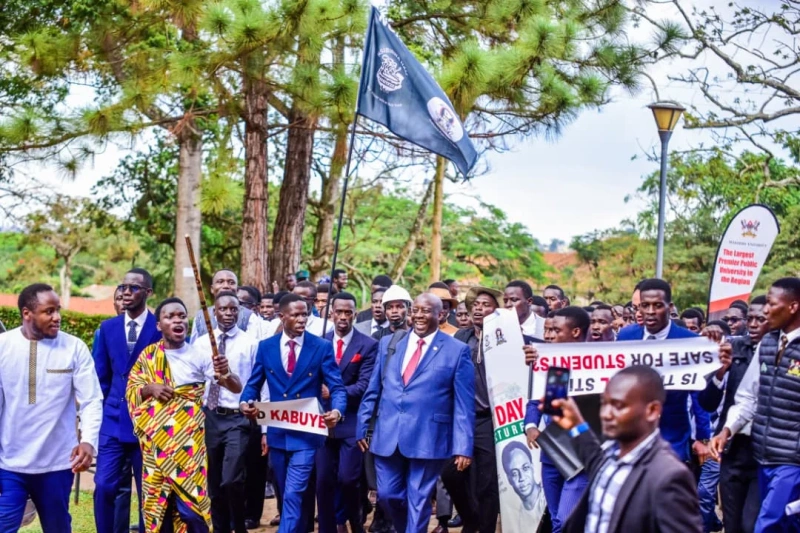
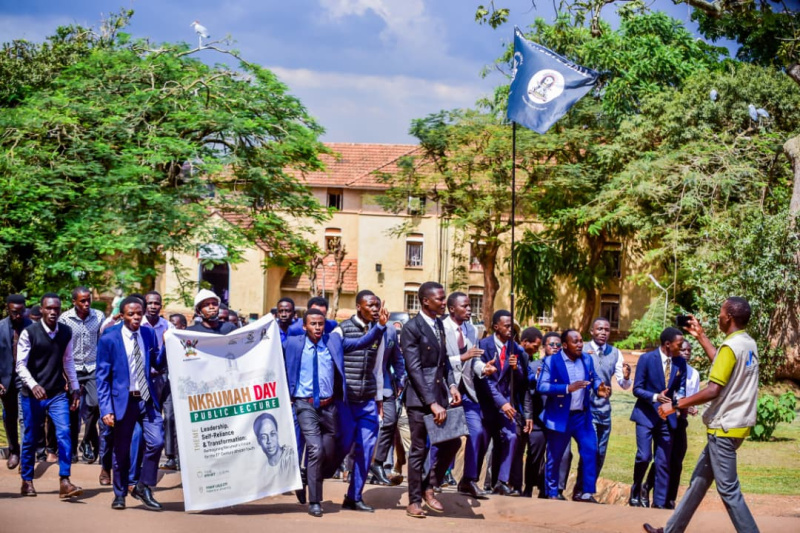
The call was made during the 2026 Annual Nkrumah Day and Public Lecture held on Thursday, October 8, at the Yusuf Lule Central Teaching Facility at Makerere University under the theme, “Leadership, Self-Reliance & Transformation: Reimagining Nkrumah’s Vision for the 21st Century African Youth.”
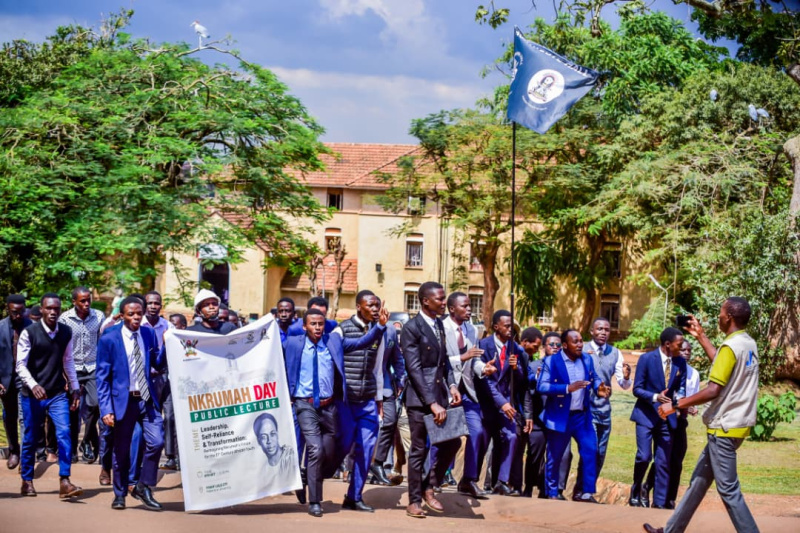
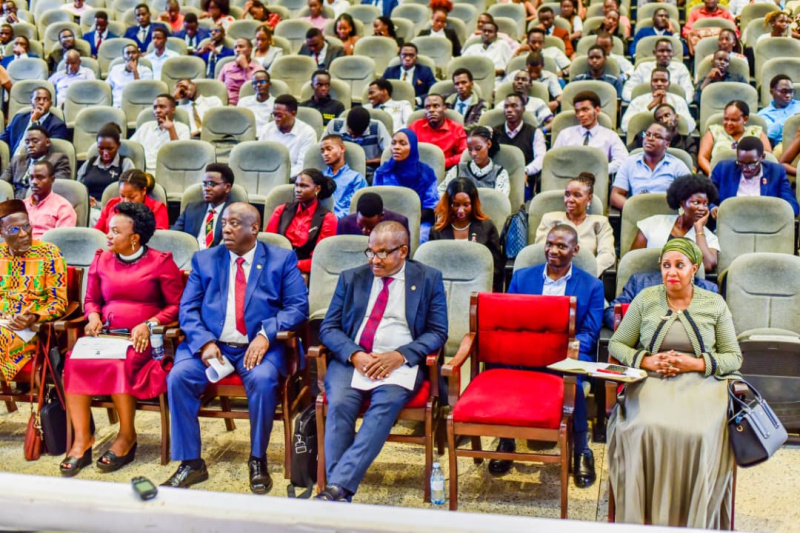
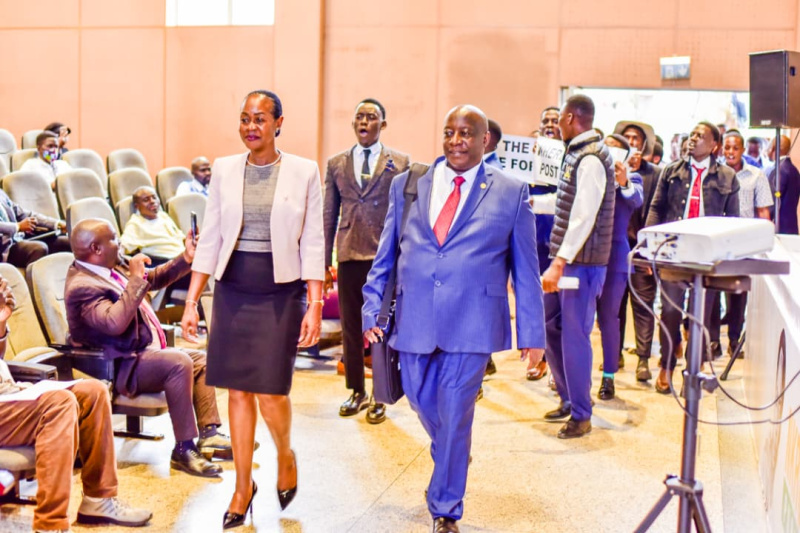
The event brought together university leaders, academics, students and other stakeholders to reflect on the enduring relevance of Ghana’s founding President Kwame Nkrumah’s ideas and the responsibility of the current generation to advance Africa’s social, economic, intellectual and technological development.
A key message throughout the discussions was that political independence alone cannot deliver the transformation Africa needs unless it is accompanied by economic self-reliance, intellectual freedom, cultural confidence and effective leadership.
Representing the Chief Guest, Rt. Hon. Dr. C.W.C.B. Kiyonga, Chancellor of Makerere University, Dr. Charles Kahigiriza read his remarks verbatim, framing the lecture as an opportunity for ideological renewal and a reassessment of Africa’s development priorities.
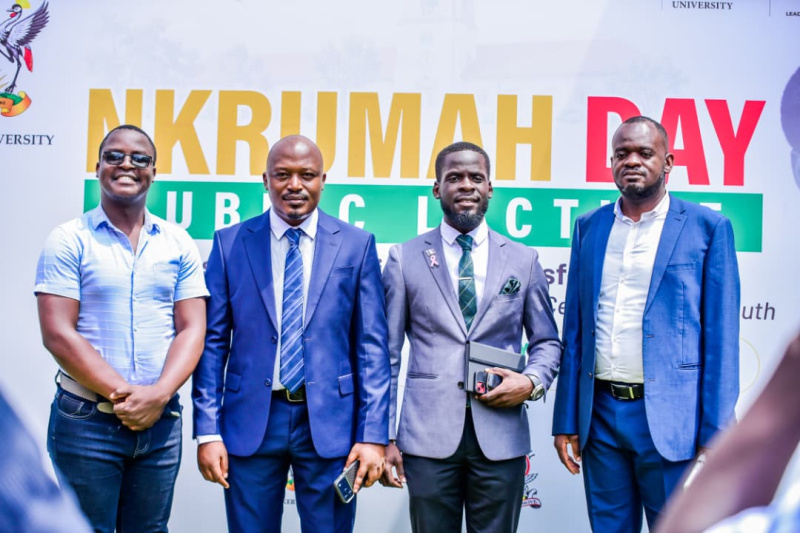
Dr. Kiyonga observed that while the previous generation fought for and achieved political independence, the present generation must build on that achievement by prioritising economic and technological advancement.
He emphasised that leadership in the modern era should not be judged solely by political positions, parliamentary representation or titles, but by the courage to think independently, challenge conventional approaches and develop solutions suited to African realities.
The remarks challenged African leaders and institutions to reconsider their reliance on imported solutions without adequately adapting them to the continent’s social, economic and cultural circumstances.
The discussions also examined the historical structures that continue to influence Africa’s development and the need for leaders to take greater responsibility for addressing the continent’s challenges rather than attributing every failure to the legacy of colonialism.
Dr. Zaid Sekitto, a lecturer in Makerere University’s Department of History, Archaeology and Heritage Studies, challenged the tendency among leaders to use historical circumstances as an excuse for failing to fulfil their responsibilities to their generation.
Reflecting on the relationship between colonialism and underdevelopment, Dr. Sekitto argued that Africa must critically examine not only its historical experiences but also the decisions and institutional structures that have continued to shape its development after independence.
RELATED
He recalled Nkrumah’s argument that political independence remains incomplete without economic, intellectual and cultural independence.
Dr. Sekitto noted that African leaders had not adequately dismantled the structures inherited from colonial rule, but had instead continued to reproduce some of them, limiting the continent’s ability to achieve genuine self-determination.
His contribution placed responsibility on contemporary leadership to move beyond historical explanations and confront the institutional, economic and governance challenges that continue to hinder Africa’s progress.
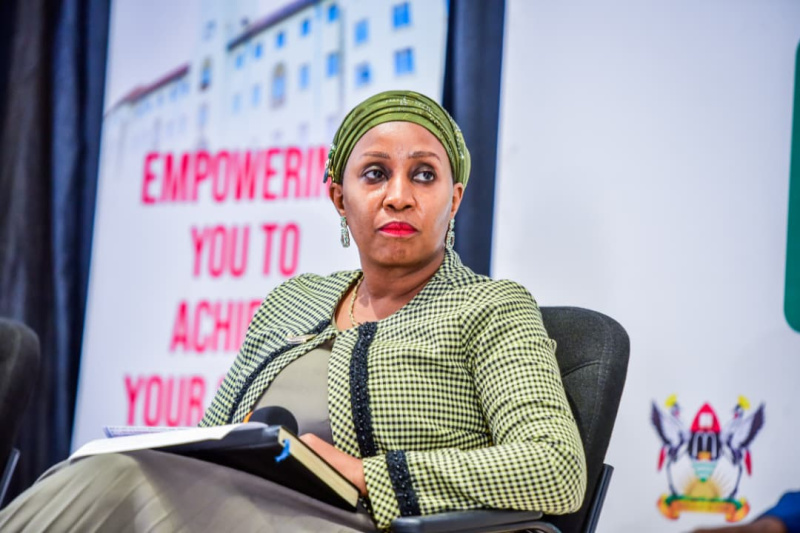
On the broader meaning of liberation, panelist Dr. Zahara Nampewo drew on Nkrumah’s 1963 writings to emphasise that the struggle for freedom must extend beyond political independence to encompass the total liberation of the African continent.
She explained that liberation also involves individual dignity, economic empowerment and social freedom, arguing that Africa’s transformation must be measured by the extent to which its people gain the capacity to shape their own lives and determine their collective future.
Dr. Nampewo also challenged young Africans to reflect on how technology is being used and whether digital platforms are strengthening or weakening African cultural identity and confidence.
She questioned whether technology was being harnessed primarily for entertainment or deliberately deployed to support innovation, preserve African heritage and generate knowledge that contributes to development.
Her remarks called for greater intentionality in the use of digital platforms, encouraging young people to become producers of knowledge and technology-driven solutions rather than remaining passive consumers of information.
The discussion reinforced the lecture’s central message that Africa’s technological future must be accompanied by intellectual independence, cultural awareness and the ability to develop home-grown solutions to contemporary challenges.
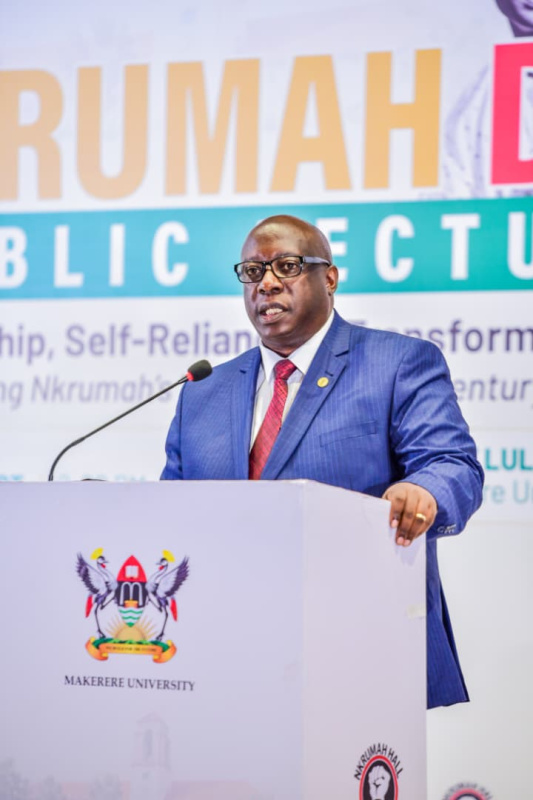
Delivering the keynote address, Prof. Gerald Karyeija, a political analyst and Head of Quality Assurance at the Uganda Management Institute, emphasised that the true value of education extends beyond academic qualifications to the character, integrity and responsibility developed through learning.
He noted that academic achievement without ethical grounding is insufficient to drive the transformation Africa requires, underscoring the importance of producing graduates who combine knowledge and professional competence with integrity and a commitment to serving society.
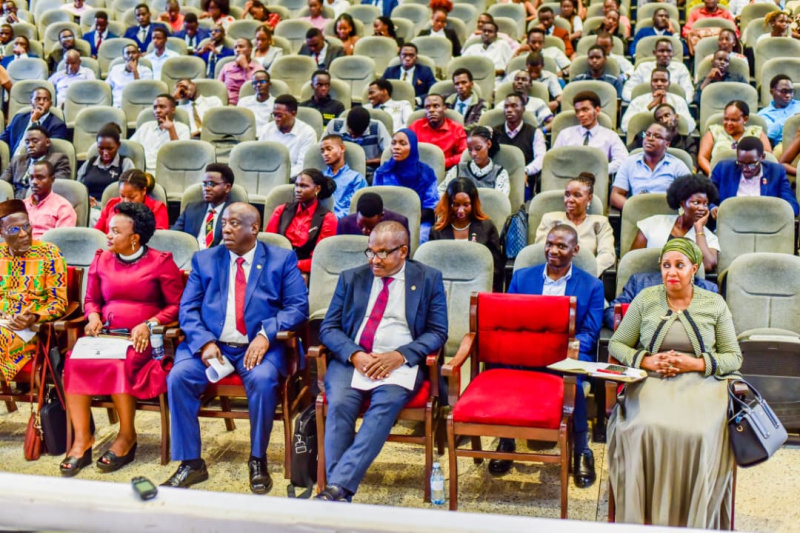
The emphasis on character and responsible leadership resonated with Makerere University’s broader role in preparing graduates who can contribute meaningfully to national development and the continent’s future.
Assoc. Prof. Gorettie Nabanoga, Acting Deputy Vice Chancellor for Finance and Administration, who represented the Vice Chancellor, Prof. Barnabas Nawangwe, urged participants to move beyond commemorating Nkrumah as a historical figure and focus instead on implementing the ideals for which he stood.
She called for a more practical and results-oriented approach to Pan-Africanism, arguing that the movement must evolve from solidarity to capacity, rhetoric to strong institutions, potential to production, and aspirations to implementation.
Her remarks challenged universities and other African institutions to turn the continent’s abundant human and intellectual potential into tangible outcomes through research, innovation, effective systems and productive enterprise.
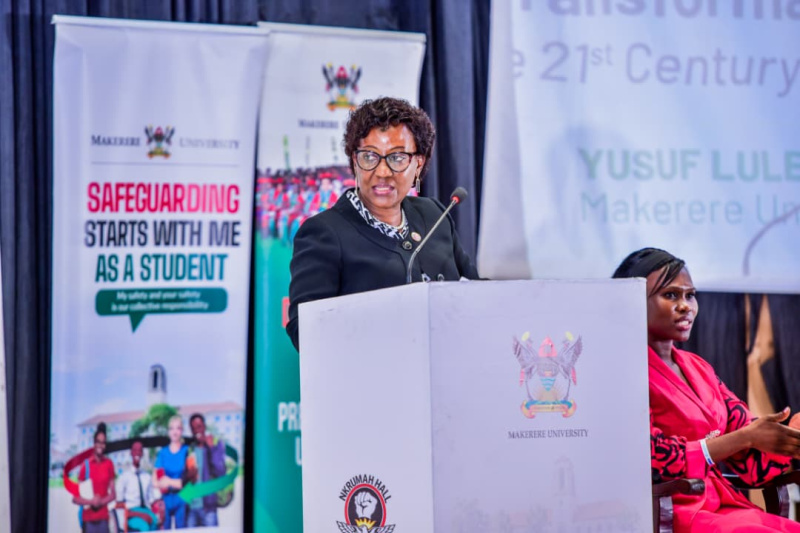
Assoc. Prof. Nabanoga further emphasised Makerere University’s responsibility to go beyond awarding degrees and become a stronger centre for knowledge generation, critical thinking and innovation.
She noted that the university fulfils its mission when it develops people capable of questioning established assumptions, generating new knowledge, challenging existing ideas and creating solutions to society’s problems.
Addressing students, she reminded them that their opportunity to study at Makerere comes with a responsibility to contribute to Africa’s development.
“You are not simply the leaders of tomorrow; you are citizens of Africa today,” she said, urging young people to recognise their present role in shaping the continent’s social, economic and intellectual future.
She stressed that building for the future requires an education system that produces independent thinkers, innovators and responsible citizens capable of responding to the needs of their communities and countries.
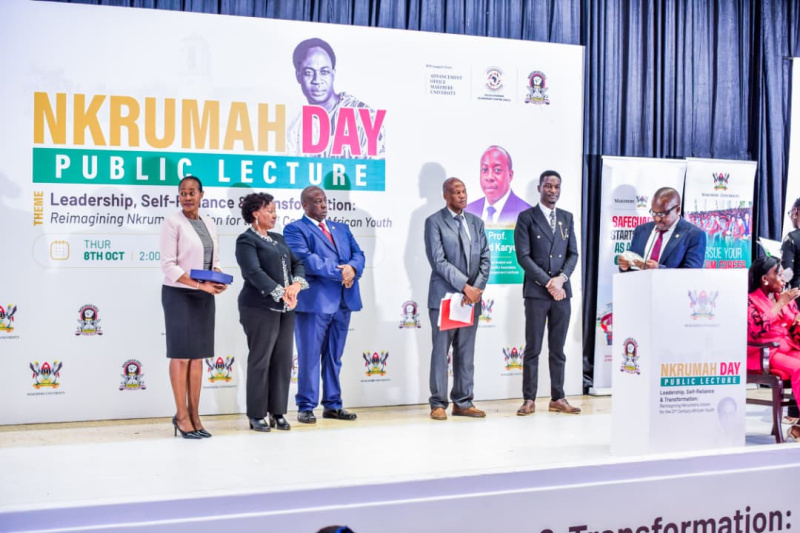
The Dean of Students, Dr. Winnie Kab, also highlighted the significance of Nkrumah Hall as a symbol of Makerere University’s longstanding commitment to Pan-Africanism.
She observed that the hall’s name had maintained its historical significance and continued to represent ideals that resonate across the African continent and beyond.
Dr. Kab noted that the lecture’s focus on leadership, self-reliance and transformation aligned with the university’s mission of nurturing responsible leaders equipped to contribute to national and continental development.
She emphasised the importance of preserving the historical identity of Nkrumah Hall while ensuring that the principles associated with its namesake remain relevant to the experiences, ambitions and responsibilities of contemporary students.
Beyond the intellectual discussions, the event also recognised the contribution of Mr. John Kamya, who served as Warden of Nkrumah Hall for 13 years, from 2007 to 2020.
Mr. Kamya received an appreciation award in recognition of his outstanding service to the hall and the university community. The award was presented by the Chief Guest, with the Chairman of the Hall and other dignitaries witnessing the recognition.
In his acceptance remarks, Mr. Kamya thanked Makerere University for giving him the opportunity to serve the institution and its stakeholders.
He recalled the 2018 visit to Nkrumah Hall by Ms. Samia Yaba Nkrumah, daughter of Kwame Nkrumah, as one of the most memorable experiences of his tenure.
The recognition highlighted the contribution of university staff whose service helps preserve institutional traditions, support students and sustain the values associated with Makerere’s academic and residential communities.
The 2026 Annual Nkrumah Day and Public Lecture was organised by Nkrumah Hall under the leadership of Dr. Rodney Rugyema, in partnership with the Julius Nyerere Leadership Centre, Makerere University Alumni and other partners.
The event reaffirmed the importance of universities as spaces where Africa’s historical experiences can inform contemporary debates on leadership, governance, development and the responsibilities of the younger generation.
At its core, the lecture called for a shift from celebrating the achievements and ideas of Africa’s founding leaders to applying their lessons in ways that respond to present-day challenges.
It placed particular emphasis on the need for African institutions to nurture independent thinkers, strengthen ethical leadership, invest in technological advancement, build productive economies and cultivate confidence in African knowledge and identity.
For Makerere University, the Nkrumah Day commemoration served as a reminder that education must do more than provide qualifications. It must equip people with the knowledge, values and practical abilities to transform their societies.