NANSANA — Nansana Municipality MP Hon. Zambaali Bulasio Mukasa has called on the government to urgently provide fire-fighting vehicles in Nansana and other growing urban centres across the country, warning that delays in responding to fires continue to expose lives, businesses and property to devastating losses.
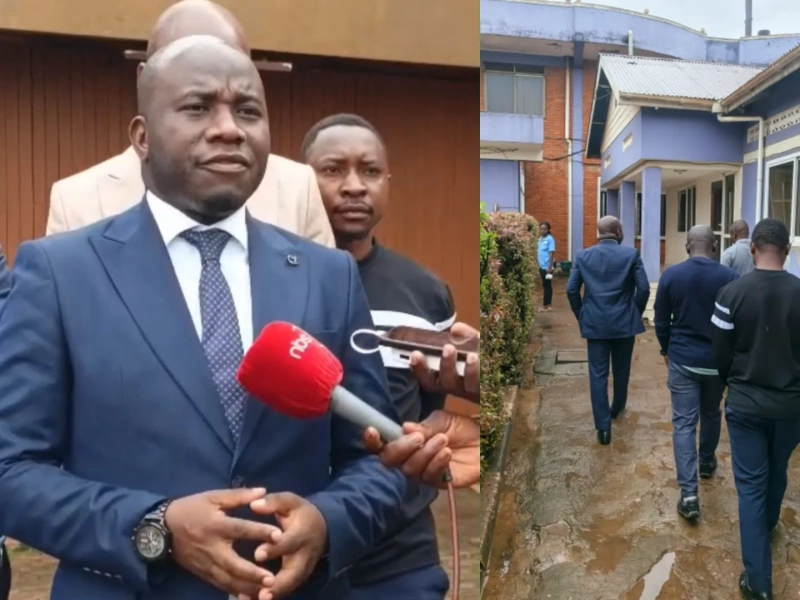
Hon. Zambaali made the appeal while visiting Ivory Hotel in Nansana, which was gutted by fire in the early hours of Tuesday, October 20, 2026. The legislator visited the affected premises to assess the damage, sympathise with the hotel’s management and those affected, and express concern over the destruction of valuable property.

The fire at Ivory Hotel has once again raised questions about the preparedness of rapidly expanding urban centres to respond to emergencies, particularly in areas where businesses, residential buildings and other commercial establishments are increasingly concentrated.
Hon. Zambaali said equipping municipalities with strategically positioned fire engines would significantly improve emergency response and help contain fires before they spread and cause extensive damage.
He argued that Nansana, given its growing population and expanding commercial activities, requires a reliable and readily available fire-fighting service capable of responding promptly whenever emergencies arise.
The legislator urged the government to prioritise fire-fighting infrastructure as part of its broader urban development and public safety agenda, emphasising that timely intervention can make the difference between a manageable incident and a major disaster.

He noted that having fire engines within municipalities would reduce the time required to respond to emergencies, potentially saving lives and protecting businesses from losses that can undermine livelihoods and economic activity.
Hon. Zambaali also expressed concern over persistent electricity interruptions, criticising the Uganda Electricity Distribution Company Limited (UEDCL) over what he described as frequent power disruptions that inconvenience consumers and put their property at risk.
He called on the electricity distributor to address the recurring outages and improve the reliability of power supply, urging the responsible authorities to ensure that consumers receive dependable services.
According to preliminary findings attributed to police, the Ivory Hotel fire is suspected to have been triggered by an electrical fault following the restoration of power after an interruption. The hotel management also attributed the incident to an electricity supply problem, with the hotel’s manager, Andrew Kayiwa, calling on UEDCL to address the issue to prevent similar incidents.
The circumstances surrounding the fire underscore the importance of investigating electrical incidents thoroughly and strengthening preventive measures to protect commercial premises and other properties.
Former Nansana Division Mayor Joseph Matovu, Wakiso District Councillor Hakimu Ssemujja and the Buganda Kingdom’s Mutuba Two official responsible for arts and sports, Kabiito Tonny, also visited the hotel to sympathise with the management following the incident.
During the visit, the leaders criticised the government’s failure to implement a previous proposal by former mayor Joseph Matovu to secure fire-fighting vehicles for Nansana Municipality, arguing that such equipment would strengthen the area’s capacity to respond to emergencies.
The leaders said the incident highlights the urgent need for practical interventions to improve disaster preparedness in Nansana and other rapidly developing urban areas.
For Hon. Zambaali, the Ivory Hotel fire is a reminder that urban growth must be matched with adequate emergency services, dependable electricity infrastructure and stronger safety measures.
He maintained that providing fire engines to municipalities should be treated as an essential public safety priority rather than a secondary consideration, given the potentially devastating consequences of delayed emergency responses.
As investigations into the cause of the fire continue, the legislator’s appeal has renewed attention on the need for coordinated action by the government, electricity authorities and local leaders to prevent avoidable losses and protect communities.