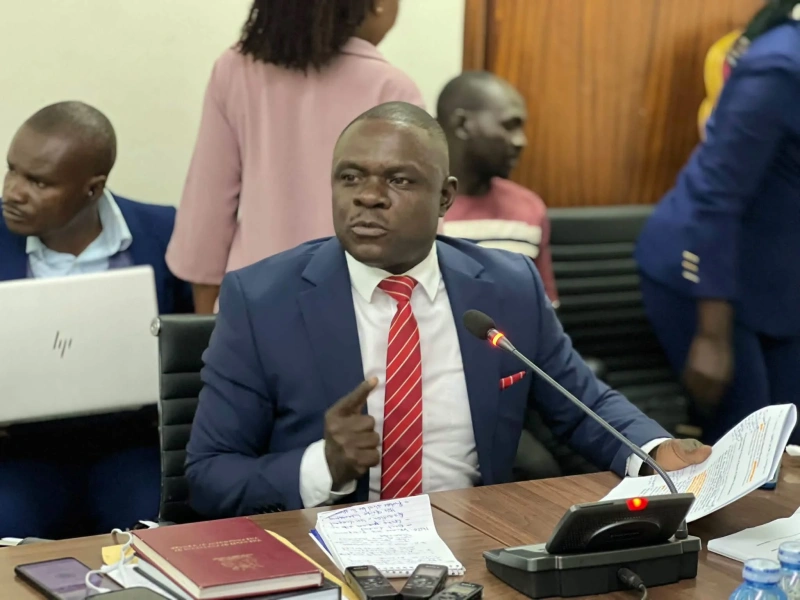
Bbaale County Member of Parliament Hon. Charles Tebandeke has proposed sweeping reforms to Parliament’s voting procedures, calling for an end to voice voting on substantive matters and the introduction of electronic voting systems that clearly record how each legislator votes.
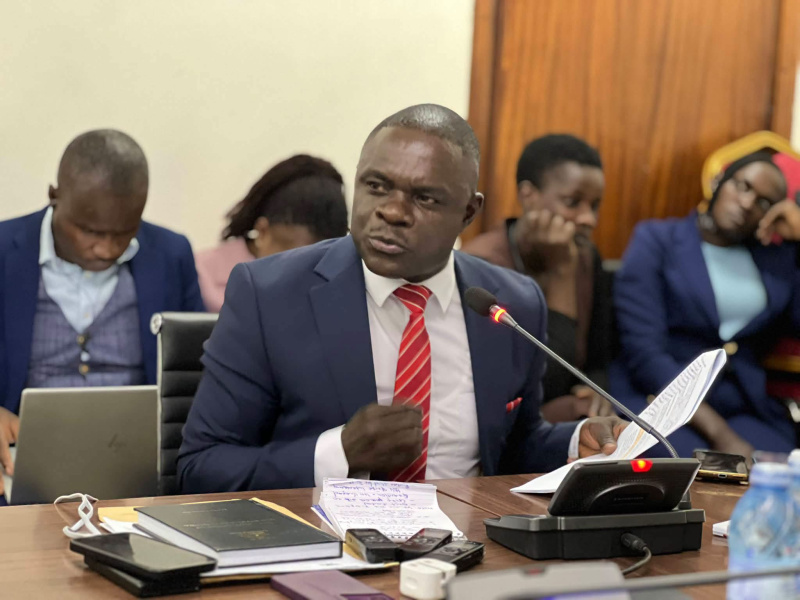
The proposal was presented to Parliament’s Committee on Rules, Privileges and Discipline during a meeting today, October 19, 2026, where the legislator called for amendments to the Rules of Procedure to strengthen transparency, accountability and democratic participation in parliamentary decision-making.
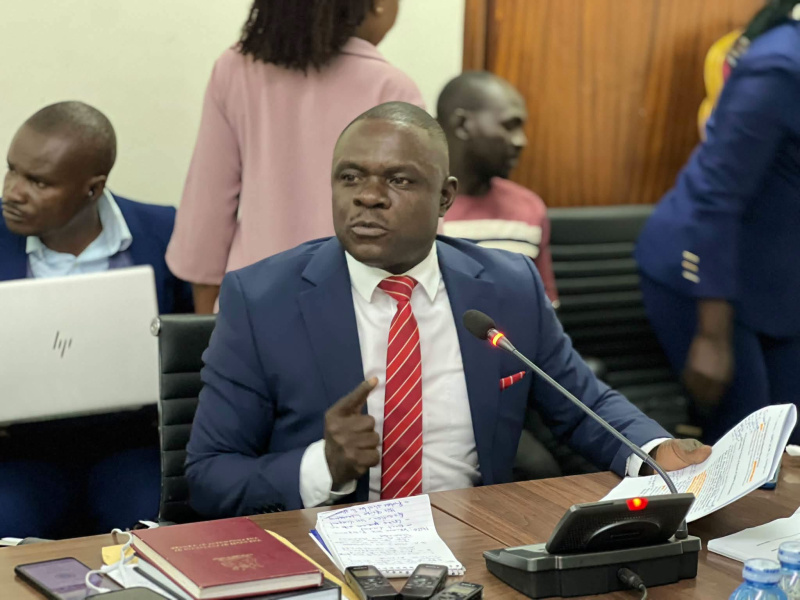
Hon. Tebandeke wants Rules 102(2)(a) and 103 amended to make electronic voting the standard procedure for deciding Bills, motions and other substantive matters affecting Ugandans. Under his proposal, each MP’s name and vote would be displayed on a public screen and captured in the parliamentary Hansard.
He further proposes that roll-call voting and division be used whenever the electronic voting system is unavailable, while secret ballots would apply to specified matters, including elections of the Speaker and Deputy Speaker, parliamentary commissioners and certain decisions involving conscience.
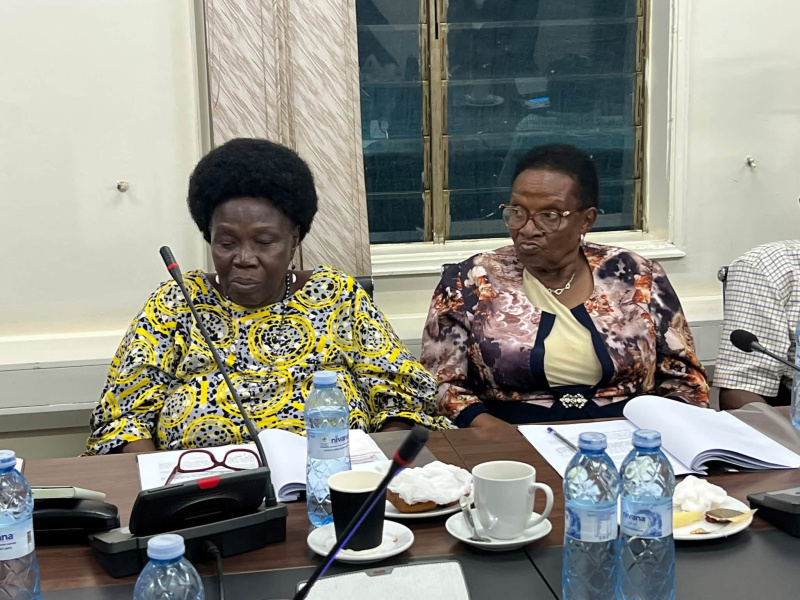
Hon. Tebandeke argues that the existing voice-voting system, in which MPs shout “Aye” or “Nay” before the Speaker declares the outcome, makes it difficult to establish the exact number of members supporting or opposing a motion, particularly in a Parliament with more than 500 legislators.
He says replacing voice voting on substantive matters with verifiable voting would reduce disputes over parliamentary decisions and enable Ugandans to know how their elected representatives vote on important legislation and national issues.
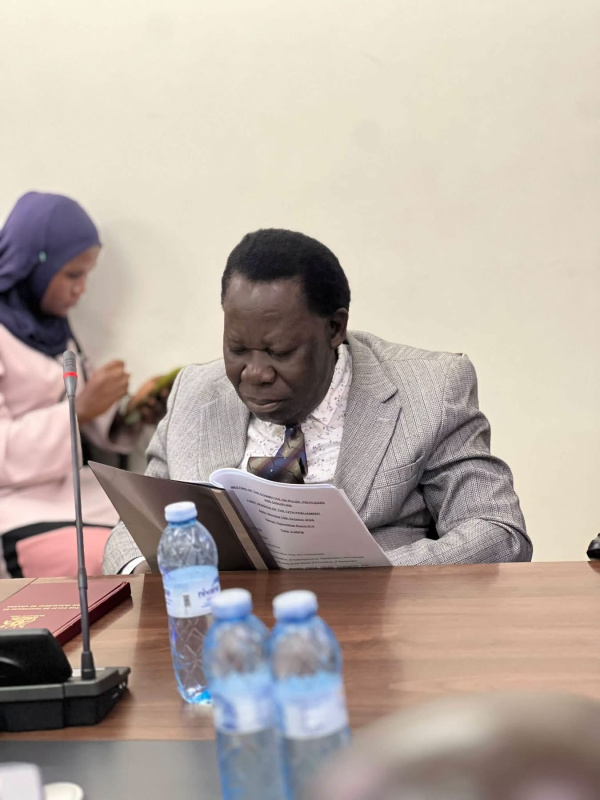
The MP also argues that recording individual votes would strengthen accountability by allowing constituents to assess the positions taken by their representatives. He maintains that Parliament’s decisions should be based on clear, verifiable records rather than the volume of voices heard in the chamber.
In addition to the proposed voting reforms, Hon. Tebandeke is seeking amendments to Rules 7 and 8, which govern the Speaker’s authority to maintain order, interpret parliamentary rules and make decisions on matters where the existing rules do not provide specific guidance.
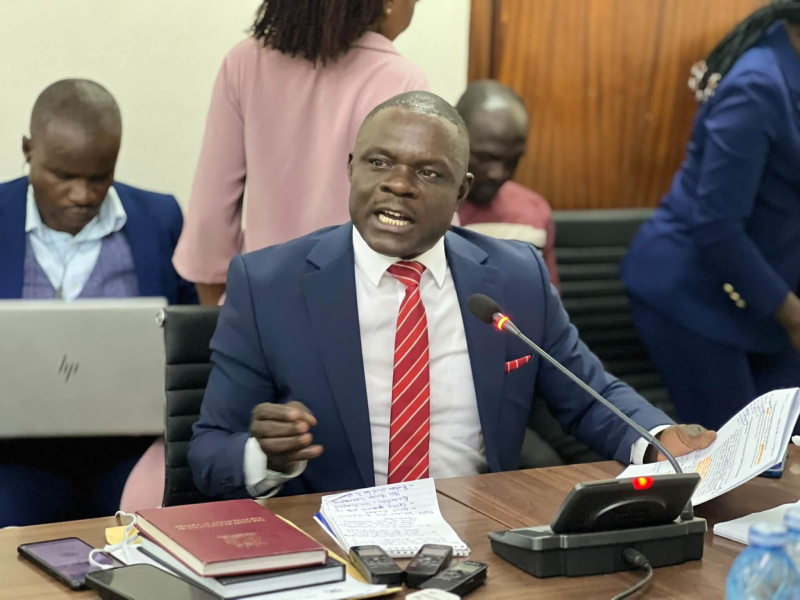
He proposes clearer limits on the exercise of the Speaker’s discretionary powers, as well as an appeal mechanism through the Committee on Rules, Privileges and Discipline for members aggrieved by certain decisions. His proposed amendments also provide for timelines within which the committee should consider appeals and review interpretations of parliamentary rules.
Hon. Tebandeke has further proposed changes to Rule 56 to broaden the scope of matters MPs can raise as urgent public concerns. Under his proposal, legislators would be allowed to raise matters of public importance, national importance or urgent constituency concern where these have implications for governance, human rights, accountability or service delivery.
He also wants the Speaker to provide brief written reasons when permission to raise such a matter is denied, while proposing dedicated parliamentary time for these statements and a requirement for the responsible minister to respond within 14 days where an immediate response is not provided.
The legislator says the proposed amendments are intended to make Parliament more transparent, strengthen the accountability of its leadership and members, and improve opportunities for representatives to raise concerns affecting the public.
Hon. Tebandeke has asked the committee to initiate the process of amending the relevant rules, invite public memoranda and present the proposed changes to Parliament for consideration and approval.
The proposals are subject to consideration by the committee and the parliamentary approval process. If adopted, the proposed voting reforms would change how substantive parliamentary decisions are recorded, making individual voting positions more readily accessible to the public.