
The implementation of the Matanda Irrigation Project has come under intense scrutiny following allegations of irregularities, intimidation, and abuse of authority raised by a landowner affected by the project.
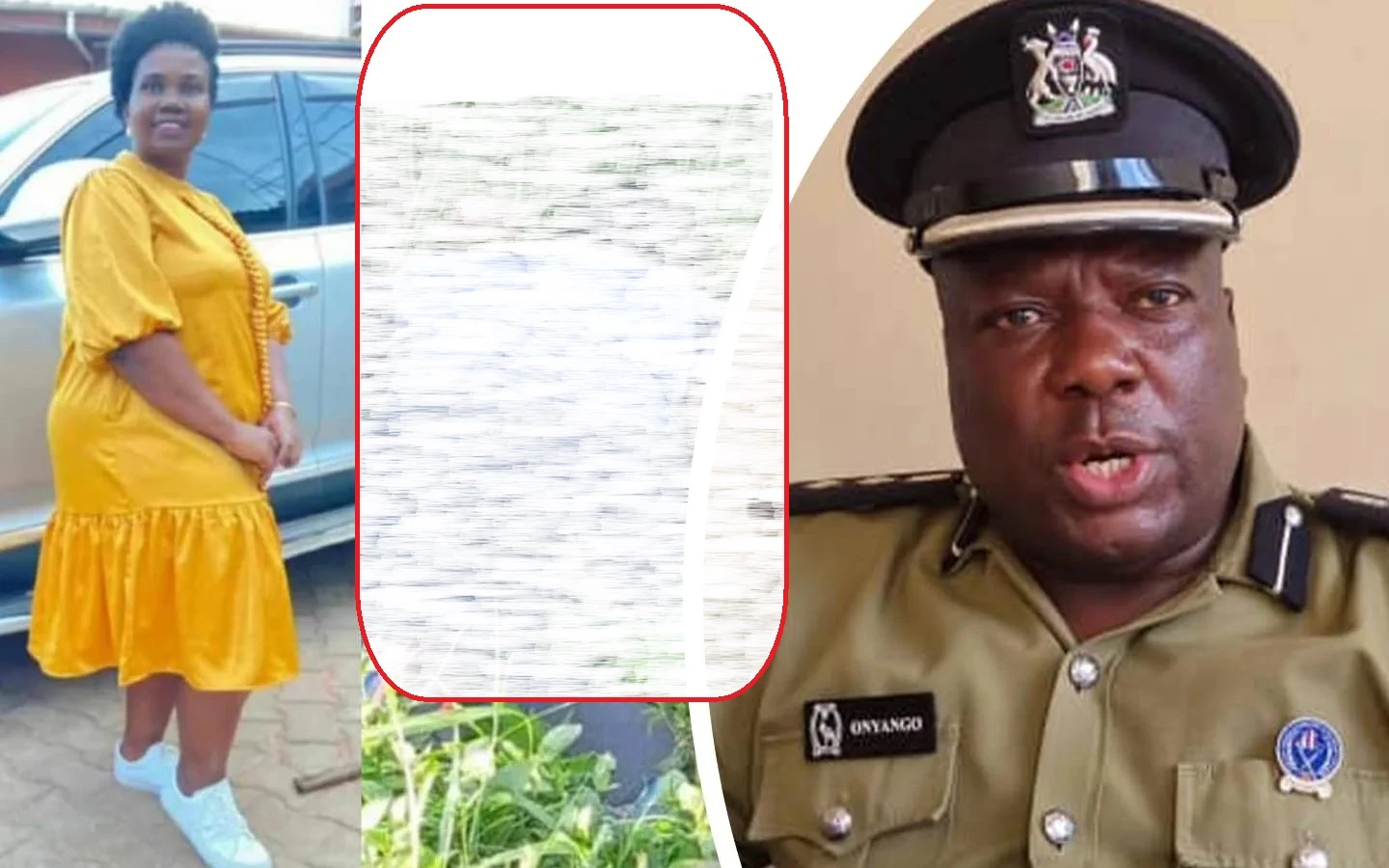
Mrs. Joy Christine Tusiime, a resident of Bukasa–Muyenga in Kampala, has petitioned the State House Anti-Corruption Unit seeking an independent investigation into the valuation, land acquisition, and compensation processes undertaken by various government agencies under the project, which is overseen by the Ministry of Water and Environment and funded by the World Bank.
In her complaint, Mrs. Tusiime questions whether legally required procedures were followed before and during the acquisition of land for the project. She alleges that the process was rushed, lacked transparency, and failed to adequately consult affected landowners, with key decisions imposed without proper engagement.
She further alleges that she was arbitrarily arrested after declining to accept terms she considered unfair, describing the incident as unjustified and intimidating. Following the arrest, Mrs. Tusiime says she was forced to leave the country temporarily out of fear for her safety, raising concerns about how disputes linked to public projects are handled.
Mrs. Tusiime also claims that project implementers later demolished property and extended works onto sections of land that were never part of the approved acquisition. She alleges that her homes, livestock, food supplies, and other property on the land were destroyed in the process.
In her complaint, Mrs. Tusiime pins responsibility on the current Resident District Commissioner (RDC) of Kanungu, Mr. Ambrose Amanyire, whom she accuses of conniving with alleged land grabbers and some local leaders to facilitate the takeover of her family land. She further alleges that police in Kanungu worked in connivance with officials from the Ministry of Water and Environment during the destruction of her property, claims that have not yet been independently verified.
Although compensation was discussed, Mrs. Tusiime insists that she never considered or accepted it, emphasizing that the land in question is ancestral family land held across generations. She maintains that its status was ignored during the valuation and acquisition process.
She has now formally appealed to the State House Anti-Corruption Unit, headed by Brigadier General Henry Isoke, to investigate the conduct of the Ministry of Water and Environment, local government officials, and security agencies involved. She has asked the Unit to address the cited irregularities to ensure a fair, lawful, and transparent process.
Mrs. Tusiime further emphasizes that the Matanda Irrigation Project should not proceed on her land unless these issues are resolved amicably and lawfully, warning that ignoring the grievances risks deepening mistrust and injustice.
The matter has drawn wider attention to concerns surrounding the implementation of large government infrastructure projects—particularly those funded by international financiers—and the need to uphold land rights, accountability, and due process. Observers note that the outcome of this case could set an important precedent for how development projects balance public interest with the rights of affected citizens.