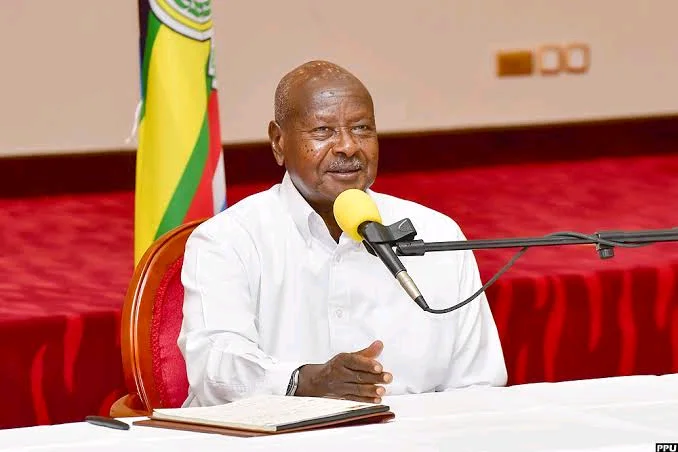
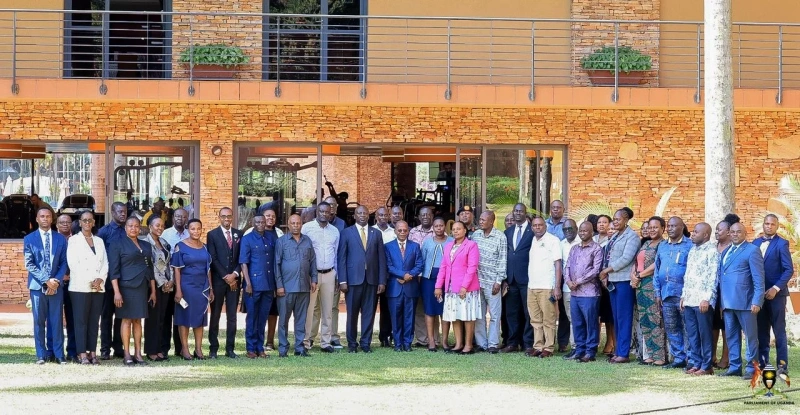
KAMPALA, UGANDA — August 28, 2026: Acting Minister of Education and Sports, Hon. Dr. John C. Muyingo, has called for a stronger partnership between Parliament and the Ministry of Education and Sports to accelerate Uganda’s human capital development and ensure that public investments in education and sports translate into tangible results for Ugandans.
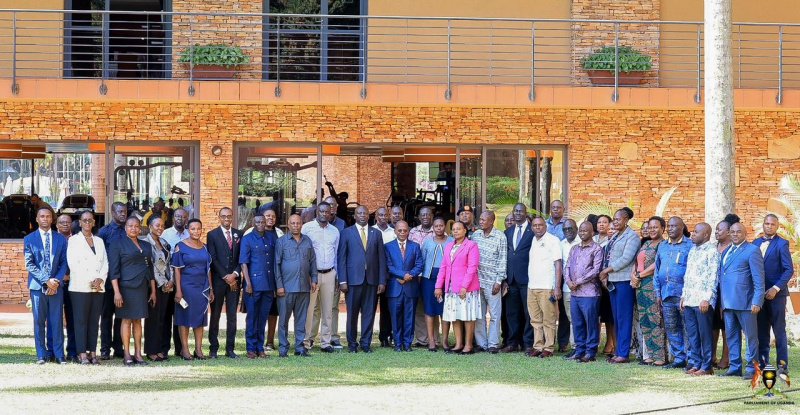
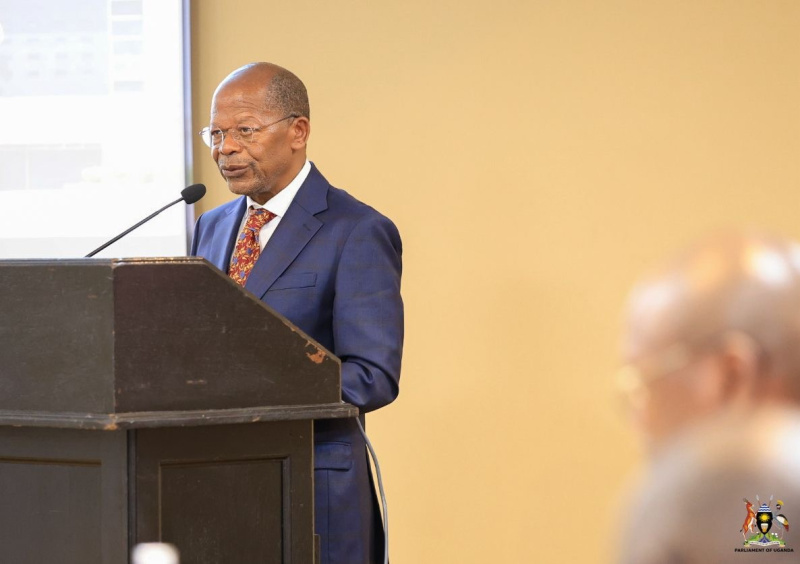
Dr. Muyingo made the call on Friday while officially opening an induction workshop for members of the Sectoral Committee on Education and Sports of the 12th Parliament at Speke Resort Munyonyo in Kampala.
Held under the theme “Strengthening Legislative Capacity, Promoting Good Governance, and Enhancing Effective Service Delivery,” the workshop is aimed at strengthening the capacity of committee members to effectively execute their legislative, oversight and accountability responsibilities in the education and sports sector.
Dr. Muyingo said education and sports remain critical foundations for Uganda’s social and economic transformation, stressing that the success of national development priorities depends on strategic leadership, effective oversight and close collaboration between the Executive and Legislature.
He challenged the Committee to view its mandate as both legislative and transformational, particularly as Uganda implements the Fourth National Development Plan (NDP IV) and works towards its long-term economic transformation ambitions.
Among the key areas that require sustained attention, he said, are reforms in Technical and Vocational Education and Training (TVET), curriculum and assessment, higher education capacity and human capital development.
Dr. Muyingo said TVET reforms under the 10-Fold Programme should ensure that young Ugandans acquire practical, market-relevant skills that respond to the demands of industry and the economy.
He also highlighted the importance of strengthening curriculum and assessment through institutions such as the Uganda National Examinations Board (UNEB), Uganda Health Professions Assessment Board (UHPAB) and Uganda Vocational and Technical Assessment Board (UVTAB) to ensure that Uganda’s education system produces graduates with relevant competencies for employment, innovation and job creation.
RELATED
The Minister said Uganda must now shift greater attention from simply increasing enrolment to ensuring that learners actually acquire the knowledge, skills, values and competencies they need to succeed.
He identified improving learning outcomes rather than enrolment alone as one of the eight major priorities of the Education and Sports Sub-Programme, alongside foundational literacy and numeracy, teacher effectiveness, curriculum relevance, assessment and learner retention.
Dr. Muyingo further emphasised the central role of teachers in transforming the education system, calling for sustained attention to teacher recruitment, equitable deployment, professional development, motivation, performance and accountability.
He said teachers must be adequately equipped to implement new curricula and respond to the rapidly changing demands of technology, the labour market and society.
The Minister also called for stronger connections between education, skills development and Uganda’s productive sectors, particularly through TVET and STEM/STEI subjects, which he said can equip young people with competencies to innovate, create employment and contribute to national economic transformation.
He noted that the recently enacted TVET Act, 2025, provides an important opportunity to strengthen Uganda’s skills-development system and make it more responsive to the needs of industry and the wider economy.
Dr. Muyingo further called for greater commitment to equitable and inclusive education, with particular attention to learners in disadvantaged communities, children with disabilities, girls and other vulnerable groups.
He said the sector must continue addressing infrastructure and staffing gaps, including establishing primary schools in underserved parishes and secondary schools in sub-counties that do not have them.
On technology, Dr. Muyingo said digital transformation is no longer an optional addition to education and called for greater use of digital technologies to improve teaching, learning, assessment, education management and teacher development, while addressing the digital divide.
He also urged the Committee to support efforts to reposition sports as an important economic, social and human development opportunity rather than treating it merely as recreation or competition.
According to the Minister, sports contributes significantly to health, employment, national identity, social cohesion, tourism and Uganda’s international image.
He said the Ministry has prioritised early talent identification and systematic development, strengthening physical education and school sports, protecting and expanding sports infrastructure and improving the welfare of athletes in order to promote sports excellence.
Dr. Muyingo also stressed the importance of strengthening school monitoring and inspection to ensure compliance with Basic Requirements and Minimum Standards and to ensure that recommendations arising from inspection reports are properly followed up.
He called for stronger governance, accountability and value for money across the entire Education and Sports sector, urging Parliament to play its oversight role by scrutinising sector budgets, analysing legislation and monitoring project implementation.
The Minister said achieving the country’s education and sports priorities requires a strong and harmonious relationship between the Executive and Legislature, grounded in constructive oversight, fiscal responsibility and mutual accountability.
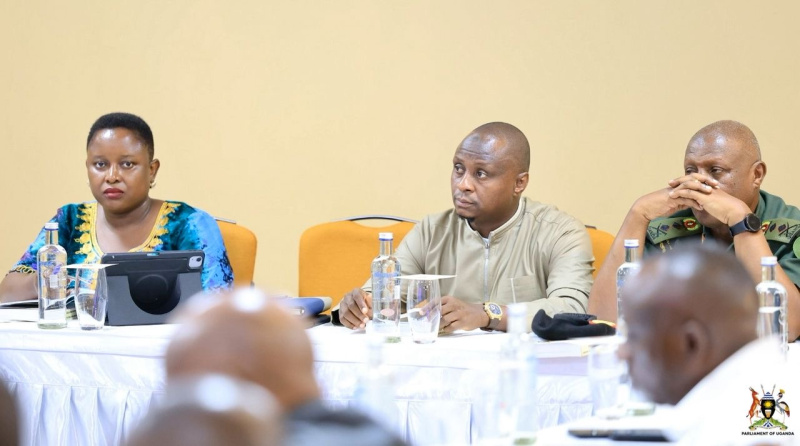
He urged the newly constituted Committee members to use the induction workshop to build a shared strategic vision, familiarise themselves with parliamentary tools and procedures and establish a firm foundation for effective service to Ugandans during the 12th Parliament.
Dr. Muyingo reaffirmed the Ministry of Education and Sports’ commitment to an open-door policy, transparent engagement and a robust partnership with the Committee, saying cooperation between the two institutions will be critical in strengthening service delivery and advancing Uganda’s human capital development agenda.
He subsequently declared the induction workshop officially open and wished members fruitful deliberations.
The engagement provides a strategic platform for the new Sectoral Committee to align its legislative and oversight responsibilities with the Ministry’s priorities and strengthen efforts to make education and sports powerful drivers of Uganda’s social and economic transformation.