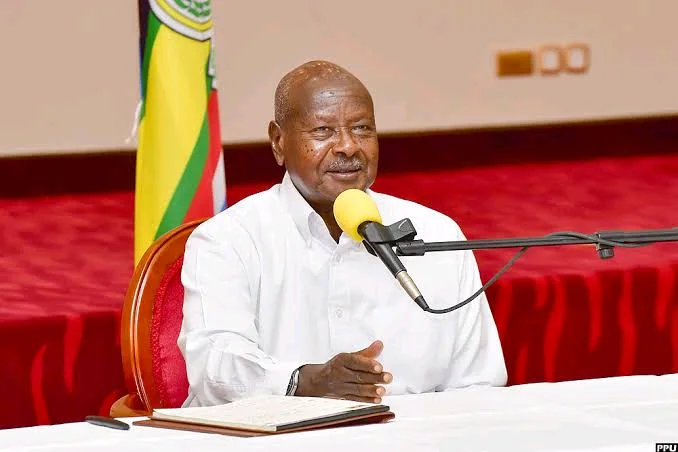
President Yoweri Kaguta Museveni has called for a stronger emphasis on values-based education in Uganda, urging teachers, parents and education stakeholders to raise disciplined, patriotic, responsible and productive young people capable of contributing to the country’s socio-economic transformation.
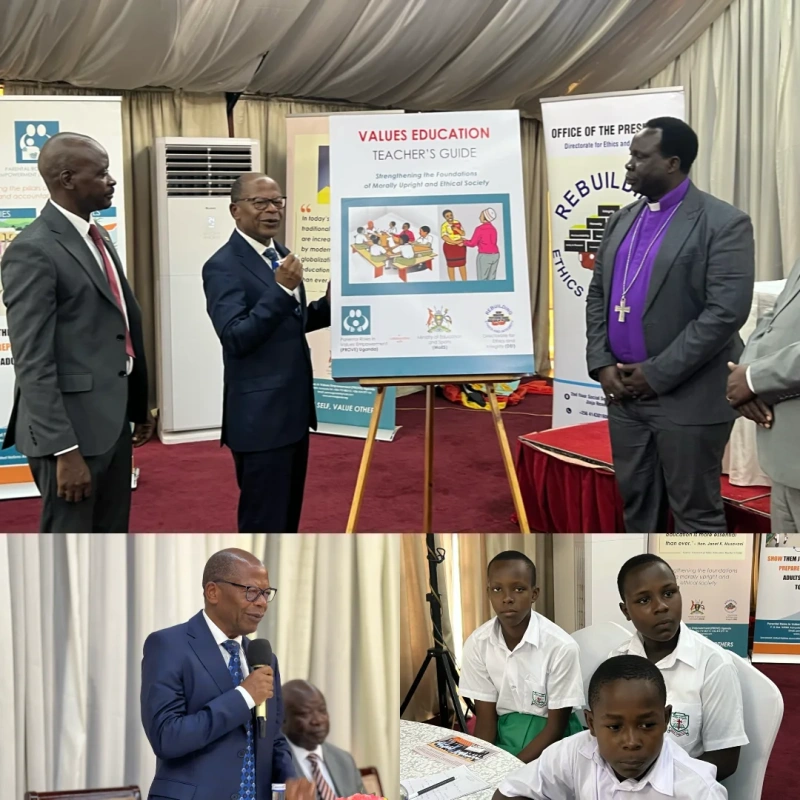
The President made the call on Thursday, November 12, 2026, during the launch of the Values Education Teacher’s Guide by Parental Roles in Values Empowerment (PROVE) Uganda, in partnership with the United Nations Association of Uganda (UNA Uganda), at Sheraton Kampala Hotel.
President Museveni was represented at the launch by the Acting Minister of Education and Sports, Hon. Dr John Chrysestom Muyingo, who delivered the President’s message and officially launched the guide on his behalf.
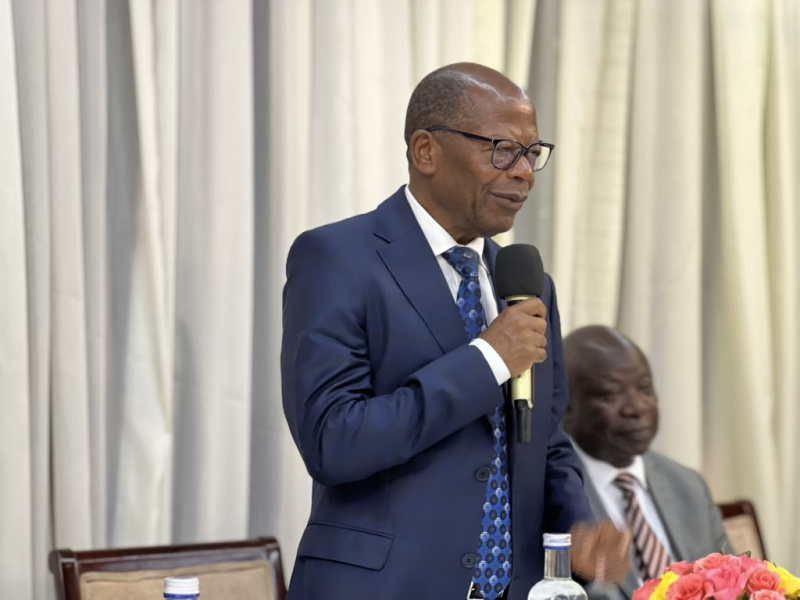
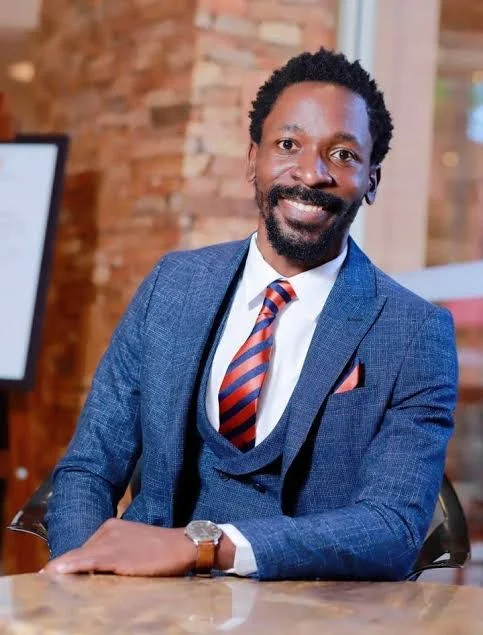
In his address, President Museveni congratulated PROVE Uganda’s Executive Director, Mr. Maani Bamuheire, and the entire team for developing the resource, describing it as an important tool for strengthening life skills and positive values among children and young people.
He noted that although the NRM Government has expanded access to education through Universal Primary Education (UPE), Universal Secondary Education (USE) and technical and vocational training, access to education must be matched with the development of competence, discipline, patriotism and a sense of responsibility among learners.
The President welcomed the approval of the Values Education Teacher’s Guide by the National Curriculum Development Centre (NCDC) as reference material for teachers, urging educators to integrate its content into classroom discussions, group work, school activities and the everyday management of responsibilities.
“A teacher is not only a transmitter of information; a teacher is also an example to the learners,” President Museveni stated.
He explained that children learn important values by observing the conduct of adults, particularly their teachers, noting that punctuality, fairness, preparation, respect and commitment to duty should be demonstrated through practical actions.
On patriotism, President Museveni recalled his 2009 address during the launch of Patriotic Clubs, where he emphasised the importance of teaching young people to love Uganda from an early age.
He said genuine patriotism requires citizens to reject sectarianism based on tribe and religion, as well as gender chauvinism, while appreciating the mutual interests that connect different individuals and professions in society.
The President illustrated that farmers depend on traders and processors, factories need raw materials and customers, while doctors, teachers, public servants and entrepreneurs all depend on the wider community.
He cautioned that corruption, dishonesty and mistreatment of others undermine these relationships, explaining that a public servant who steals public resources damages the very services that society, including their own families, may eventually need.
President Museveni further challenged education stakeholders to prepare learners for Uganda’s socio-economic transformation by promoting practical problem-solving, creativity, innovation, technical competence and entrepreneurship.
He encouraged young people to appreciate opportunities in agriculture, manufacturing, tourism, information technology and other productive sectors, emphasising that education should prepare them not only to seek employment but also to create useful products, services and jobs.
On regional integration, the President urged Ugandans to appreciate their economic relationship with other East African countries, explaining that regional cooperation provides wider markets for producers, attracts investment, supports industrialisation and strengthens Africa’s position in global trade.
He also called for the preservation of African identity, heritage, languages and cultures while encouraging young people to acquire modern knowledge and skills in science, technology, industry and international trade.
Environmental conservation was another key area highlighted in his message. President Museveni urged schools to teach learners the importance of protecting forests, wetlands, rivers, lakes, soils and other natural resources.
He encouraged practical environmental activities such as tree planting, proper waste management, protection of water sources and responsible land use, noting that environmental protection is fundamental to sustainable development and the welfare of future generations.
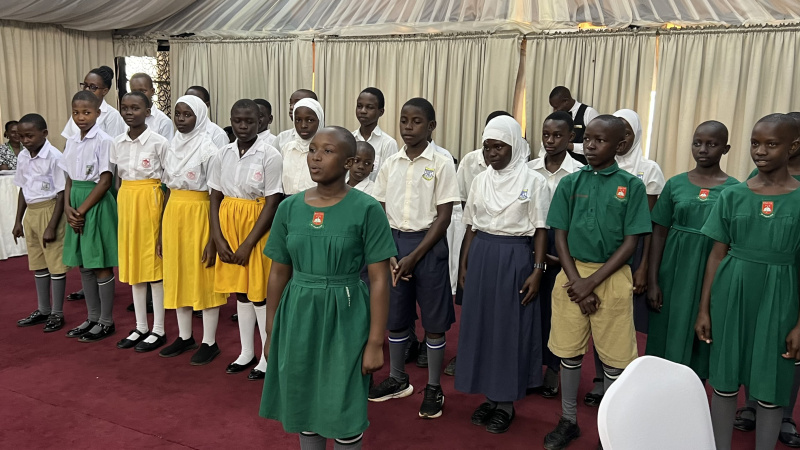
Addressing learners, the President emphasised the importance of valuing and protecting their lives through responsible choices, discipline and constructive habits.
He encouraged students to take their studies seriously, maintain physical fitness, avoid destructive habits, acquire marketable skills, participate in sports and exercise, read the Bible or Quran according to their faith and help their parents with productive work during school holidays.
President Museveni further called upon the Ministry of Education and Sports, the National Curriculum Development Centre and other relevant institutions to provide teachers with appropriate materials, orientation and practical guidance to ensure effective implementation of values education.
He stressed that the ten National Ethical Values identified in the guide should not remain slogans but must be reflected in learners’ everyday conduct, including teamwork, conflict resolution, respect for others, responsible technology use and accountability for mistakes.
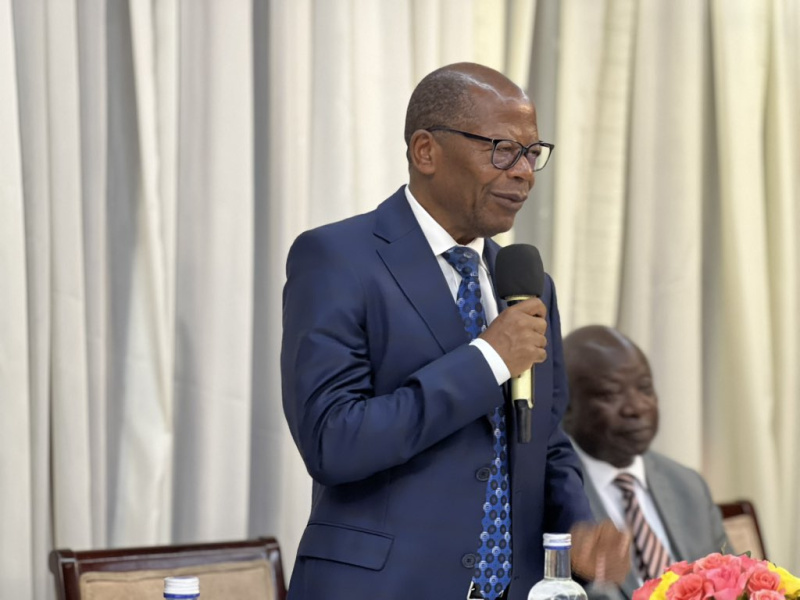
Meanwhile, Mr. Tom Bamuheire emphasised that education should prepare learners to make sound choices and contribute meaningfully to national development.
He observed that learners often take their cues from the actions of adults, especially their teachers, making it important for educators to practise the same values they teach in classrooms.
Bamuheire noted that values education should therefore go beyond theoretical instruction and influence the decisions, behaviour and relationships of young people both inside and outside school.
The engagement was moderated by the Secretary General of the United Nations Association of Uganda, Mr. Baguma RT, who appreciated the stakeholders whose contributions were instrumental in developing the guide.
Baguma also recognised Hon. Dr Muyingo for representing the President and delivering the government’s message at the launch.
The initiative brings together PROVE Uganda, UNA Uganda and other education and development stakeholders in an effort to strengthen values education and promote responsible citizenship among Ugandan children and young people.
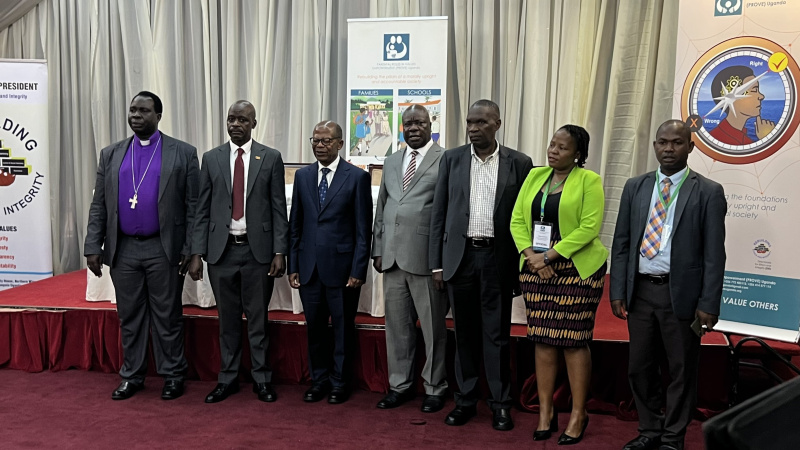
The launch was attended by representatives from the Ministry of Education and Sports, the National Curriculum Development Centre, the Ministry of Gender, Labour and Social Development, the Directorate for Ethics and Integrity, teachers, parents and other stakeholders.