Kawanda, 18 th May, 2026 - Uganda could soon add new value to its coffee sector by developing
Excelsa coffee, an underutilised species that researchers say has potential for climate resilience,
biodiversity conservation and market diversification.
The National Agricultural Research Organisation (NARO), through the National Agricultural
Research Laboratories (NaRL) at Kawanda, has been engaging farmers and partners to generate
evidence needed to organise the crop’s value chain and position it for future market
development.
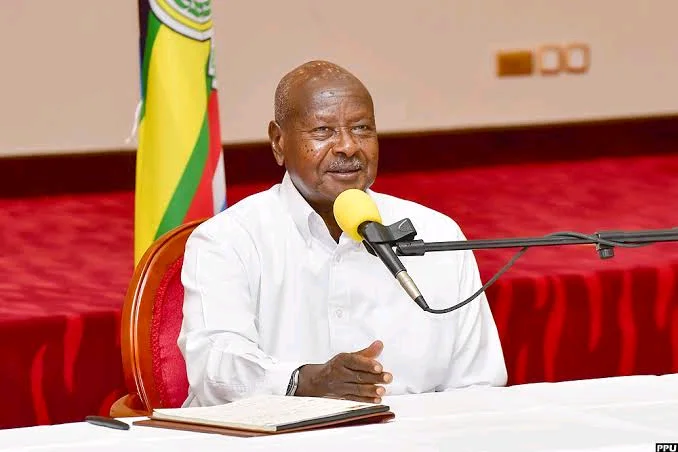
“Excelsa coffee presents an important opportunity for Uganda, but we must approach it carefully
and scientifically. Farmers already have valuable knowledge about the crop, while researchers
must generate the evidence needed to support conservation, planting material development,
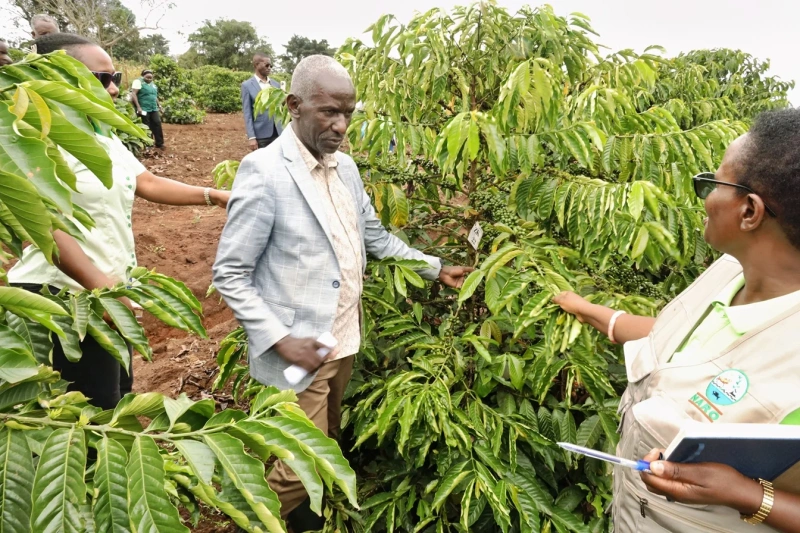
quality profiling and market positioning.” Dr. Yona Baguma, the NARO Director General, said
during a recent visit to one of the trial fields at Kamenyamiggo in Lwengo district.
Dr. Baguma noted that once established, Excelsa coffee would expand Uganda’s coffee base
beyond the dominant Robusta and Arabica species.
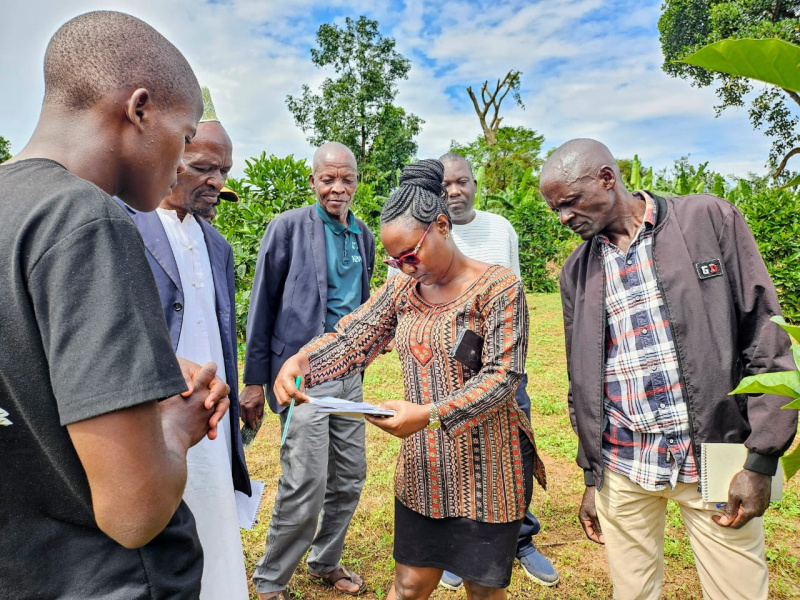
On Thursday, NaRL together with partners held a focused engagement with farmers to further
explore the potential of Excelsa coffee as an emerging opportunity for Uganda’s coffee sector.
Dr. Catherine Kiwuka, NARO’s lead scientist on the project: “Development of Excelsa Coffee
under Global Change”, said the organisation is working in partnership with the Royal Botanic
Gardens, Kew; Makerere University; Kyagalanyi Coffee Limited, and farmers, with financial
support from the Calleva Foundation,
Excelsa coffee, scientifically known as Coffea dewevrei, and known by different local names
such as “Kisansa” by farmers is one of the coffee species found in Uganda and predominant in
Zoka Central Forest Reserve in Adjumani district and Semuliki National Park in Bundibugyo
district.
Although it is still largely underdeveloped and highly diverse, researchers believe it presents an
important opportunity for coffee diversification, climate resilience, biodiversity conservation and
future market development.
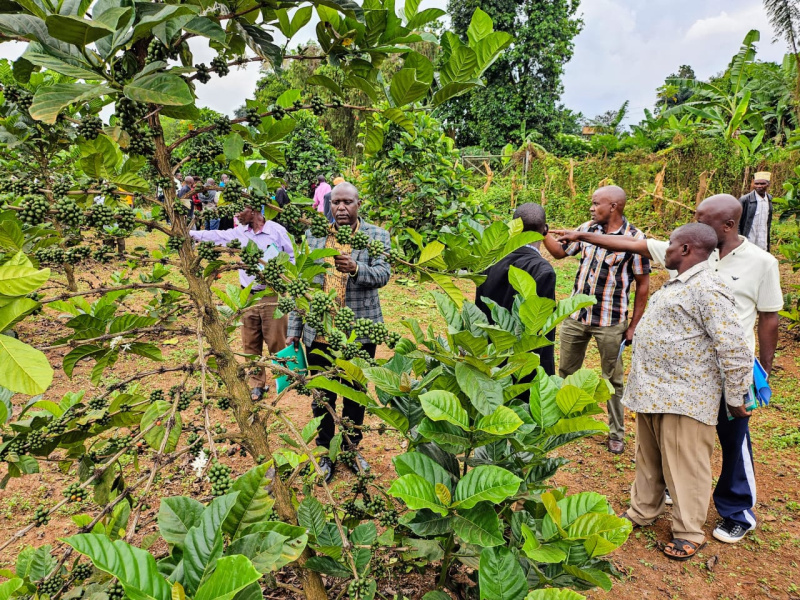
During the farmer–scientist interface at Kawanda, farmers, researchers, private-sector actors and
institutional partners discussed how Uganda can develop the Excelsa coffee value chain. The
meeting included a guided visit to an on-station field trial, where farmers observed the
performance of different Excelsa materials and shared feedback based on their own farming
experience.
Farmers provided practical insights on the agronomy of Excelsa coffee, including tree growth,
flowering behaviour, fruiting patterns, management practices, field performance, challenges and
perceived advantages. They also raised issues related to planting material, market access, buyer
interest, processing and the need for clearer information on the commercial potential of the crop.
Researchers noted that one of the current challenges is that Excelsa coffee remains highly
variable, with many types known by farmers but not yet formally characterised. This makes it
difficult for exporters and other value-chain actors to guarantee consistency in quality, volumes
and market positioning.
The scientists said the immediate priority is to generate enough evidence to support the
development of a more organised value chain. This includes documenting farmer knowledge,
identifying promising genetic material, characterising candidate materials, assessing cup quality,
understanding production performance, and working with farmers and private-sector actors to
determine what is needed for market development.
The engagement also highlighted the need to select a small number of promising Excelsa types
that can be further studied, multiplied and evaluated for production and market use. Such work
would help provide farmers with more reliable planting material while giving buyers and
exporters greater confidence in quality and consistency.
 with other scientists inspecting the Excelsa trial field at Kamenyamiggo in Lwengo.jpg)
Speaking during the engagement, Dr. Kiwuka emphasised that the development of Excelsa
coffee must be guided by science, farmer experience and market realities. They noted that the
crop cannot be promoted sustainably without evidence on agronomy, adaptation, quality,
processing, farmer incentives and buyer requirements.
The meeting forms part of a broader effort to position Excelsa coffee within Uganda’s national
coffee research and development agenda. The work is expected to contribute to germplasm
conservation, scientific characterisation, planting material development, market intelligence,
policy engagement and future investment planning.
NARO says the feedback from farmers will be used to guide follow-up activities, including field
documentation, identification of candidate mother plants, further evaluation of promising
materials, and engagement with partners across the coffee value chain.
The engagement marks an important step in Uganda’s effort to turn Excelsa coffee from a
largely underutilised genetic resource into a better understood, better organised and potentially
valuable component of the national coffee industry.
“NARL’s role is to support national agricultural development through science, evidence and
partnerships. This engagement is important because it brings farmers, researchers and value-
chain actors together to shape a practical agenda for Excelsa coffee.” Dr Robooni Tumuhimbise,
Director of Research-NARO-NARL, said.