
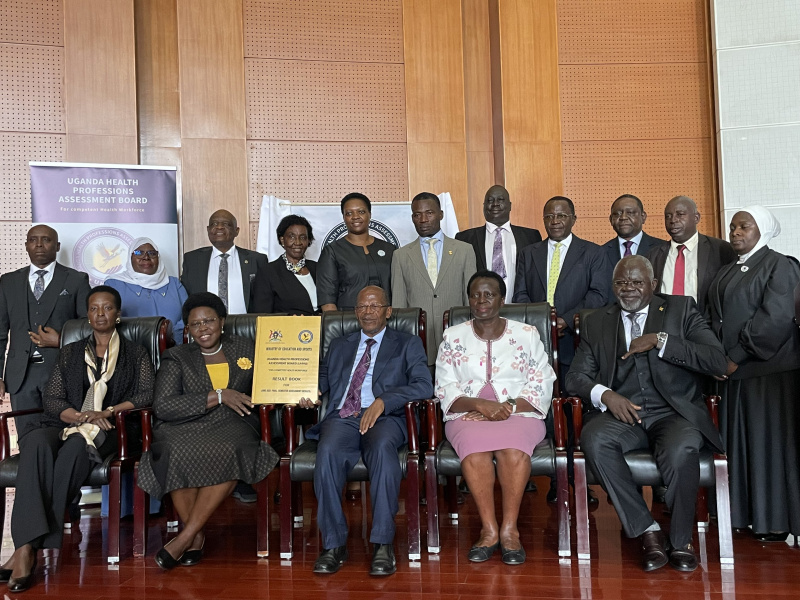
Uganda has registered a major milestone in health professional training after the release of the first series of examinations conducted by the Uganda Health Professionals Assessment Board (UHPAB). The results show that the country is making great strides in producing competent health workers, with overall pass rates of 84.6% at certificate level and 96.6% at diploma level.

Releasing the results at the Office of the President, the State Minister for Higher Education, Hon. Dr. John Chrysostom Muyingo, applauded the progress made but also noted areas for improvement in certificate-level programs.
A total of 77,593 candidates from 200 institutions sat for the examinations, covering 33 allied health programs and 11 nursing and midwifery programs. Out of 9,204 certificate-level candidates, 7,785 passed — including 414 who excelled with Distinction and 6,478 with Credit. At the diploma level, 3,250 out of 3,366 candidates passed, with nearly one in three achieving Distinction.
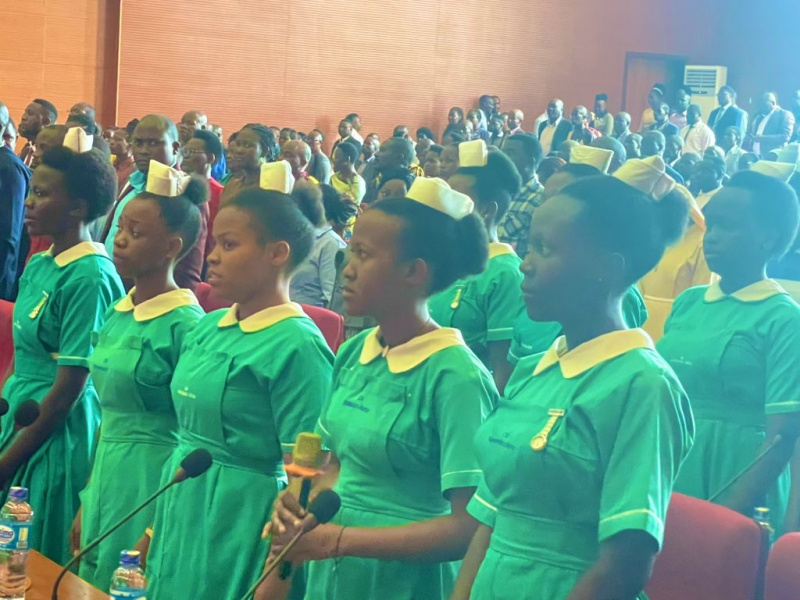
Dr. Muyingo emphasized that while the high pass rates reflect a positive trajectory for Uganda’s health education sector, there is still a need to strengthen certificate-level training through more practical exposure and improved supervision.
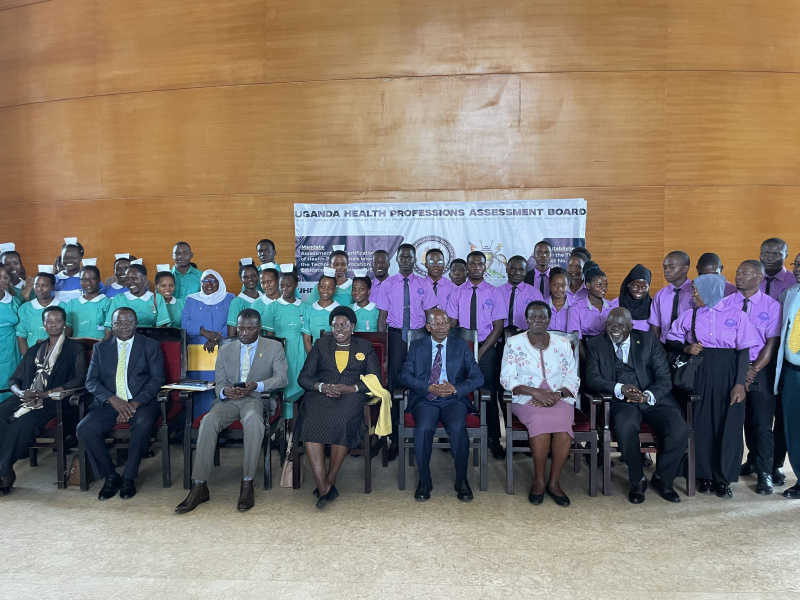
“This is a remarkable achievement for our country. However, we must ensure that our certificate trainees get the same quality of training and mentorship as their diploma counterparts. Inspection teams will continue to ensure that training facilities and practicum sites meet the required standards,” he said.
UHPAB Executive Secretary Helen Mukakarisa Kataratambi highlighted that diploma-level candidates performed strongly due to manageable class sizes, prior field knowledge, and active engagement in self-directed learning. She noted, however, that pharmacy programs at both levels require urgent attention to address gaps in practical exposure.
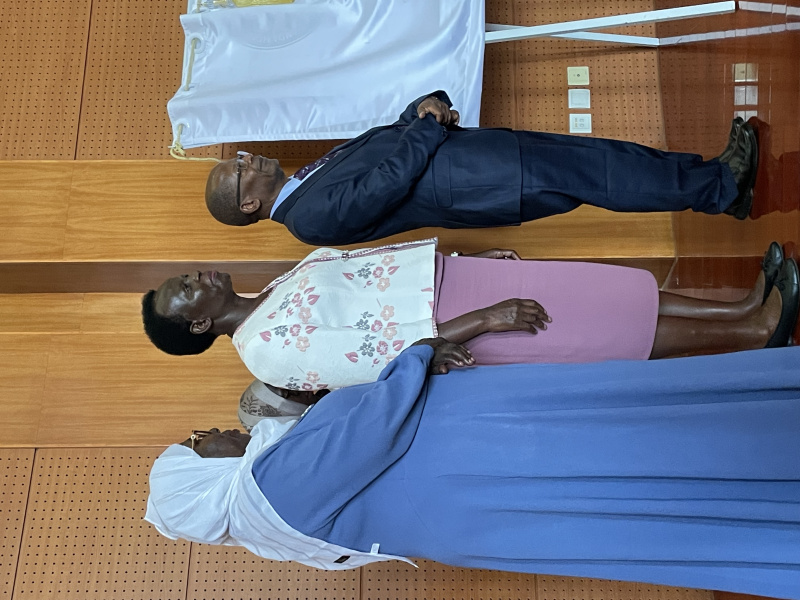
Permanent Secretary in the Ministry of Education, Dr. Kedrace Turyagyenda, underscored the importance of practical competence, calling on institutions to ensure certificate trainees develop the required skills for the health sector.
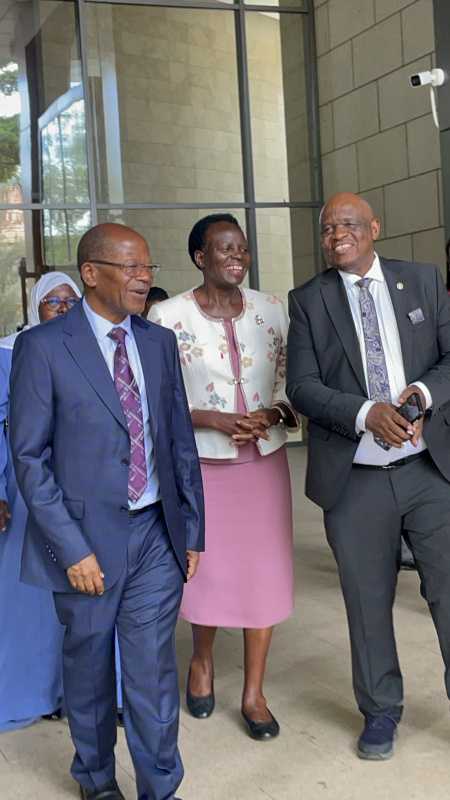


Despite the challenges, the results mark a new era in Uganda’s health professional training, setting the stage for producing skilled and competent health workers to serve the nation.