Ssemaganda Moses Hope

Ssemaganda Moses Hope

Journalist at Kampala Media TV

620 published articles


Articles by Ssemaganda Moses Hope

Showing 1-11 of 620 articles
End of the Road as Ministerial Term Expires: Outgoing Cabinet Holds Final Meeting National

End of the Road as Ministerial Term Expires: Outgoing Cabinet Holds Final Meeting

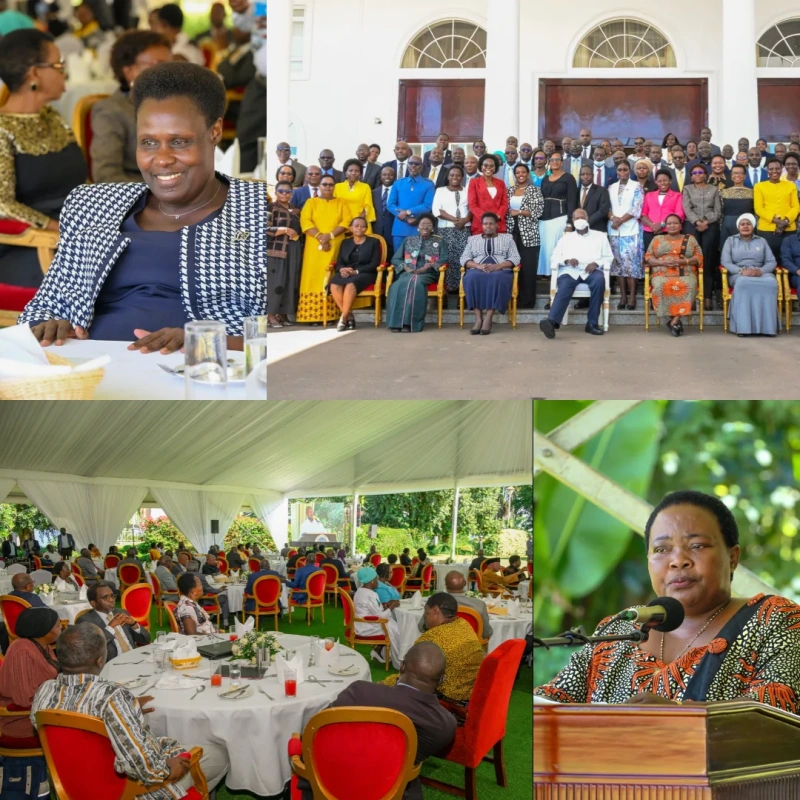
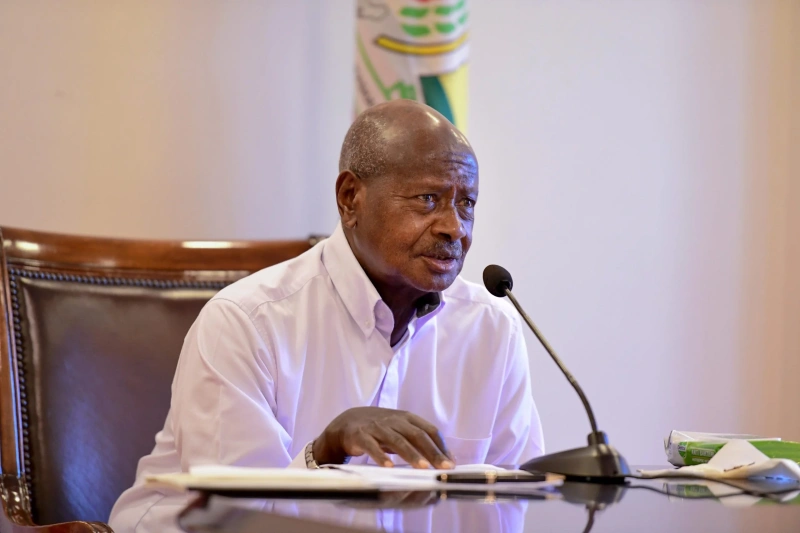
 Kampala, Uganda – The term of Uganda’s Cabinet ministers has officially come to an end. H.E. the President today chaired the final Cabinet meeting of the outgoing government at State House, Entebbe, bringing down the curtain on the ministers' five-year tenure.  Immediately following the meeting, the President hosted the ministers, ministers of state, and senior officials to a farewell luncheon in recognition of their dedicated service to the nation.In his remarks, the President noted that this particular Cabinet would be remembered as the team that presided over Uganda’s historic elevation to middle-income status—a milestone decades in the making.“This is the Cabinet that ushered Uganda into middle-income status,” the President said. “I thank everyone who contributed to this achievement, including the Cabinet Secretariat for effectively managing the business of cabinet.” The President extended his appreciation to all members for their sacrifice, unity of purpose, and resilience throughout the term. A special vote of thanks went to the Cabinet Secretariat for ensuring the smooth and efficient conduct of government business.What Next for Uganda?With the ministers’ term now expired, the outgoing Cabinet will remain in a caretaker capacity, handling only routine and urgent government business until a new Cabinet is appointed.The President is expected to name a new team of ministers in the coming weeks following consultations. The incoming Cabinet will be sworn in thereafter, marking the official start of the next administration. As the luncheon concluded, the President offered his final blessings to the departing ministers. “I thank them all and wish them good luck,” he said. 

Kimwanyi United Group Holds Training Today to Empower Members on Financial Independence and Collective Development Featured

Kimwanyi United Group Holds Training Today to Empower Members on Financial Independence and Collective Development

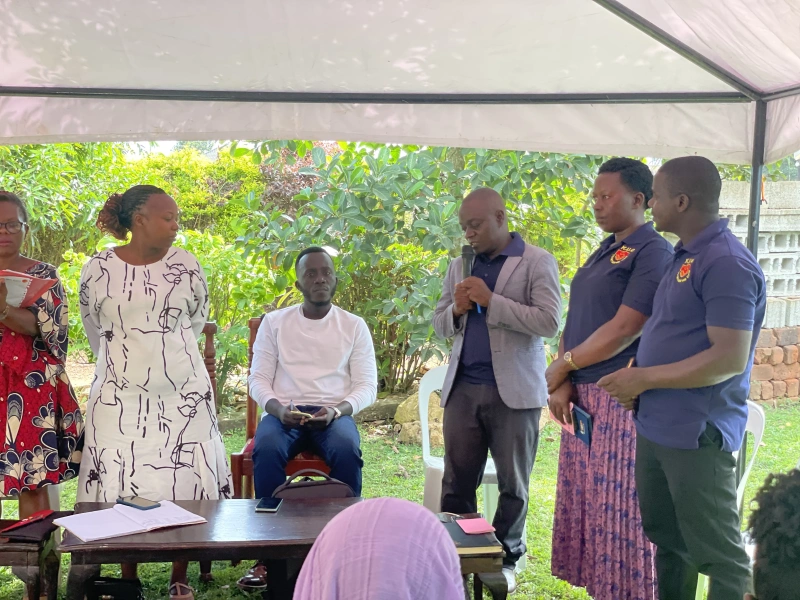
 Kimwanyi United Group today conducted a capacity-building training aimed at equipping members with practical knowledge on financial independence and the importance of working together. The session emphasized the need for parents to guide their children on the value of teamwork and expose them to income-generating activities that can sustain their future. The training, organized to strengthen members and highlight various economic opportunities within group collaboration, featured Dr. Semalulu Charles Keck, an expert in economics, as the keynote speaker. He applauded the group for promoting ideas that encourage constructive discussion and innovation among members, noting that such initiatives are vital for long-term economic transformation.Speaking during the same event, the Chairperson of Kimwanyi United Group, Wasswa Abdulkarim Tamale, urged members to prioritize self-development, saving, and hard work. He stressed that unity and commitment are essential in overcoming poverty and achieving sustainable progress.Leaders also used the opportunity to invite residents of Kimwanyi village to join the group, highlighting the positive impact it has already made in improving the livelihoods of many people.

Seeta Junior School Mbalala Inaugurates New Student Leaders with a Strong Call to Faith, Discipline, and Purpose Happening Kati

Seeta Junior School Mbalala Inaugurates New Student Leaders with a Strong Call to Faith, Discipline, and Purpose

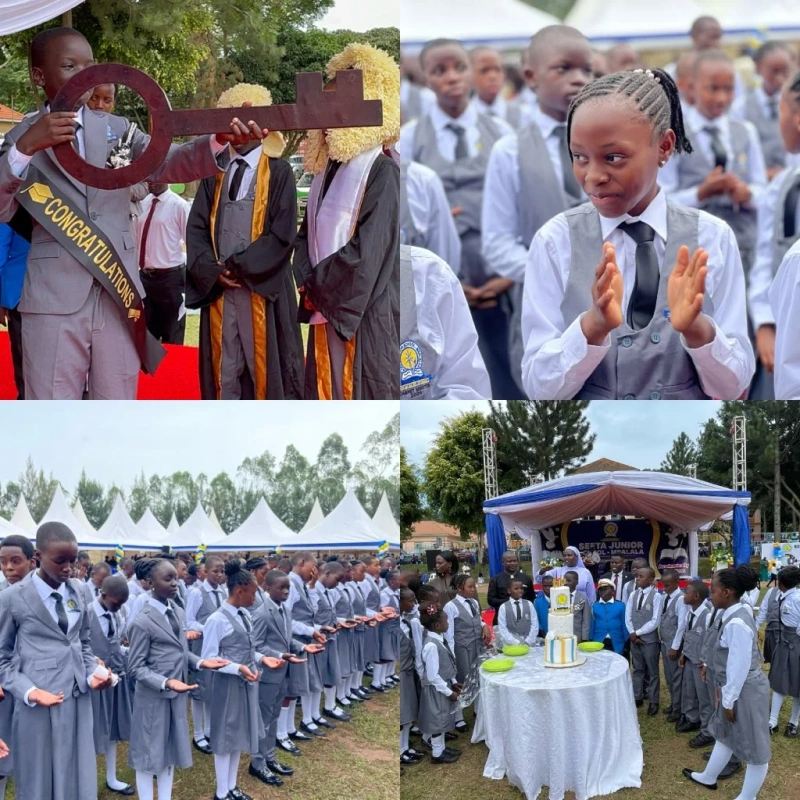
Seeta Junior School Mukono–Mbalala Campus marked a landmark moment in its leadership tradition with a vibrant inauguration ceremony for the 2026 student cabinet, held under the theme “Setting a New Tone of Great Leaders.” The event drew hundreds of parents, religious leaders, and members of the school’s management, reflecting the institution’s growing reputation as a cradle for transformative leadership. Delivering a powerful sermon, Rev Fr JohnBaptist Ssemaganda emphasized that leadership is both a divine calling and a solemn responsibility. He reminded the newly elected leaders that while authority comes from God, it demands integrity, service, and accountability. He underscored that the values instilled in young leaders today will shape their character and decisions far into the future, praising the school for nurturing individuals with strong moral grounding and leadership potential. As the school community prepares for the holiday period, he called upon parents to reinforce discipline, encourage prayerful living, and ensure children remain spiritually engaged, including regular participation in church activities. The newly elected president, Sserubula Stephen, expressed gratitude to the institution for shaping him into a confident and visionary leader. He credited the school’s environment for enabling him to realize his dream of becoming president, describing it as a place where transparency and democratic values are actively practiced. His election as the 15th president stands as a testament to the school’s commitment to empowering learners with both voice and responsibility. He also acknowledged the contributions of his predecessor, Bagaya Gabriella, whose tenure he described as impactful and inspiring. The Headteacher, Sr Crispina Namara, highlighted the broader significance of the inauguration, noting that such ceremonies are not merely symbolic but foundational in building leadership capacity among learners. She urged parents to take an active role during the holiday, particularly in monitoring smartphone usage in what she described as the “dotcom era,” where children are increasingly exposed to digital influences. She stressed that responsible guidance is essential to ensure technology supports, rather than undermines, the values instilled at school. Adding to this, the Deputy Headteacher, Paddy Kyazze, reaffirmed that Seeta Schools prioritize holistic education. He noted that beyond academic excellence, the institution is committed to producing well-rounded individuals equipped with critical life skills to compete globally. He encouraged parents to maintain trust in the Seeta education system, including its expanding network that now features Seeta Junior Schools, Seeta High Schools, and the emerging Seeta University. A deeply personal perspective was shared by Sserubula Stephen, father of the newly elected president. He commended the school for its role in grooming disciplined and visionary leaders and highlighted the importance of peaceful leadership transitions at all levels of society, including national governance. Drawing from his own parenting approach, he emphasized the value of involving children in real-life activities such as farming and business, explaining that such exposure cultivates responsibility, work ethic, and leadership ambition from an early age. The ceremony also became a moment of appreciation for Dr JC Muyingo and Rose Muyingo, proprietors of Seeta Schools, for their continued investment in quality education that produces globally competitive learners. Parents expressed gratitude for the institution’s consistent delivery of academic excellence alongside character formation. The entire student cabinet was officially sworn in, symbolizing continuity, renewal, and the strengthening of a leadership culture rooted in discipline, faith, and service. The event stood as a vivid reminder that leadership is not merely inherited but carefully nurtured through intentional mentorship, structured opportunities, and value-based education. Contemporary research in leadership development supports this approach. Studies in developmental psychology and leadership theory suggest that while certain personality traits linked to leadership—such as confidence and assertiveness—may have innate components, effective leadership is largely cultivated through environment, mentorship, and experience. Institutions like Seeta Junior School play a pivotal role in this process by providing early leadership exposure, structured responsibilities, and moral guidance. Globally recognized leaders—from political figures to business executives—often trace their leadership foundations back to formative school experiences where they were entrusted with responsibility and guided by strong role models. This reinforces the perspective that great leaders are not simply born but are significantly shaped by intentional nurturing and disciplined upbringing. As the ceremony concluded, it was evident that Seeta Junior School Mukono–Mbalala Campus continues to set a benchmark in leadership development, inspiring a new generation to lead with purpose, integrity, and vision. 

Philippines Annual Remittances From Organized Labour Export Could Fund Uganda's Entire National Budget Than Uganda National

Philippines Annual Remittances From Organized Labour Export Could Fund Uganda's Entire National Budget Than Uganda

By Kayonde Abdallah.Uganda's Labour Migration Wake-Up Call | May 1, 2026.The Philippines collected $35.63 billion in diaspora remittances from organized labour exports in 2025 alone (Gulf News 2026), sufficient to completely finance Uganda's UGX 84.3 trillion ($22.7 billion) 2026/27 national budget while leaving $12.93 billion surplus for reinvestment (Parliament Uganda 2026). This exposes Uganda's fixation on domestic produce exports, volatile gold revenues, and tourism despite 40% youth unemployment, as Philippines leverages structured migration to generate remittances 27 times Uganda's $1.3 billion  funds covering 33% of its $109.2 billion national budget (DOF Philippines 2024). Philippines systematically exports 2.2 million workers annually through the Philippine Overseas Employment Agency (POEA) (POEA Annual Report), underwriting one-third of ₱6.326 trillion expenditures (DBM Philippines 2025). Uganda's 165,000 Gulf labour migrants  three-quarters of emigrant flows  contribute only 5.7% toward UGX 44.18 trillion domestic revenue amid 600,000-700,000 annual youth entrants versus 50,000-70,000 jobs, creating 530,000 gaps (MoGLSD Uganda 2025)(UBOS Migration Report). Meanwhile, Uganda's 23 million labour force stagnates in unemployment or underpayment, with trafficking increasingly posing as legitimate remittances (GIZ BMM 2025). Philippines sustains $462 billion GDP through diversified manufacturing  electronics, automobiles, garments employing 23% workforce, despite ₱570 daily minimum wage ($10.50) (ADB Investment Climate). Uganda generates under $54 billion GDP where 66% labour in agriculture, lacking minimum wage since 1984, relying on $1-1.50 hourly rates (UIA FDI Report). Philippines drew $9.2 billion FDI in 2022 via PEZA zones and 5-6% GDP infrastructure; Uganda's $3 billion inflows depend on East Africa's cheapest labour post-Ethiopia (US State Dept Investment Climate). President Museveni warned at Buikwe 2026, "if we become harsh on them now, they will make losses and take their business elsewhere" (State House Uganda), preserving short-term FDI. Philippines counters: higher wages plus 1.3 million graduates sustain industry against Uganda's 500,000 graduates in basic processing (World Bank Human Capital).  Wakiso gets 30% GDP from Gulf remittances, Iganga parishes 27% from domestic workers, Mayuge fisheries thrive on UAE earnings  national potential neglected (BoU District Dashboard). Philippines institutionalized success via 1,500 agencies, 48 treaties, mandatory training/insurance, returnee programs yielding $35.63 billion (POEA). Uganda's 246 agencies and EEMIS lack dedicated Overseas Employment Authority per National Migration Policy 2025 (GoU Migration Policy).  With 293,973 Gulf deployments versus negligible asylum, formalization unlocks $18 billion from 530,000 youth surplus (MoGLSD EEMIS).Uganda squanders East Africa's highest youth bulge plus cheap global labour. Coffee yields 3% GDP growth, gold $2.5 billion fluctuates, tourism $1.7 billion vulnerable  none match remittances (BoU Balance Payments). Philippines funds one-third budget through youth export while industrializing; Uganda chases domestic mirages.Action demands Overseas Employment Authority, five Gulf treaties, EEMIS expansion, professional certification (MoGLSD). Philippines covers budget and builds factories. Uganda's 40% youth unemployment = $35 billion idle  arithmetic destiny at peril (Bangko Sentral 2026). Author's ConclusionUganda must abandon 1984 domestic export illusions and embrace Philippines-proven labour migration reality: $35.63 billion remittances fund entire UGX 84.3 trillion budgets with surplus while building factories, as 40% youth unemployment represents $35 billion idle opportunity from 530,000 annual gaps.  Wakiso's 30% Gulf GDP proves scalability; trafficking currently funds remittances while formal Overseas Employment Authority could deliver Philippines-scale wealth. Launch now or accept perpetual deficits chasing coffee-gold-tourism mirages arithmetic admits no compromise.*Happy labour day!*

BREAKING NEWS: High Court Sentences Christopher Okello Onyum to Death Over Ggaba Daycare Murders Crime

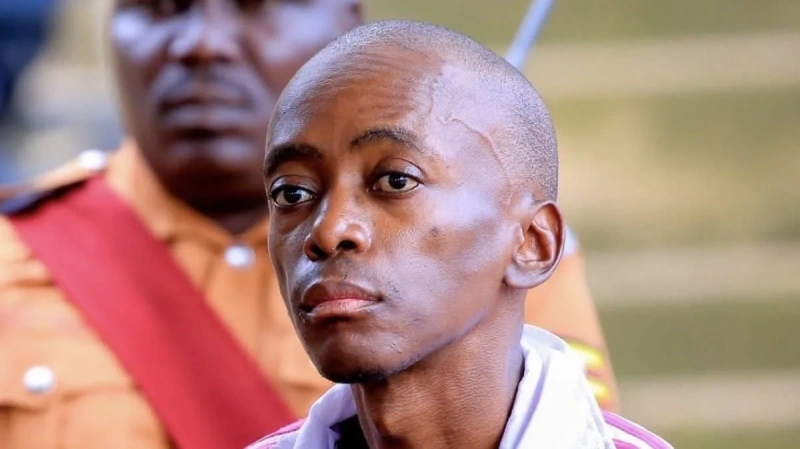
BREAKING NEWS: High Court Sentences Christopher Okello Onyum to Death Over Ggaba Daycare Murders

 KAMPALA — In a landmark and deeply unsettling ruling, the High Court has today sentenced Christopher Okello Onyum to death after finding him guilty on four counts of murder connected to a tragic incident at Ggaba Early Childhood Development Daycare Centre. The judgment, delivered earlier today, follows a closely watched trial that has gripped the nation for months. Prosecutors presented evidence linking Onyum to the killings, which occurred at the daycare facility in Ggaba, a suburb of Kampala. The victims, whose identities had previously been confirmed during earlier proceedings, included individuals connected to the daycare environment, sending shockwaves through the local community and beyond. According to court proceedings, the prosecution successfully established that the accused carried out the murders with intent, leading the presiding judge to hand down the maximum sentence permitted under Ugandan law. In delivering the ruling, the court emphasized the gravity of the crimes, noting their impact on vulnerable members of society and the breach of trust associated with a childcare setting. The courtroom was tense as the verdict was read, with heightened security present throughout the session. Family members of the victims attended the hearing, some visibly emotional as the sentence was announced. Legal representatives on both sides have yet to issue comprehensive statements, though defense counsel is expected to consider the possibility of an appeal. The case has reignited public debate around safety standards in childcare institutions, as well as broader discussions about capital punishment in Uganda. Authorities have urged the public to remain calm while reaffirming their commitment to justice and the rule of law. More details are expected to emerge as officials release a full summary of the judgment and as reactions continue to come in from across the country. 

UWESO Marks 40 Years of Transforming Lives at 2026 Annual General Assembly Featured

UWESO Marks 40 Years of Transforming Lives at 2026 Annual General Assembly

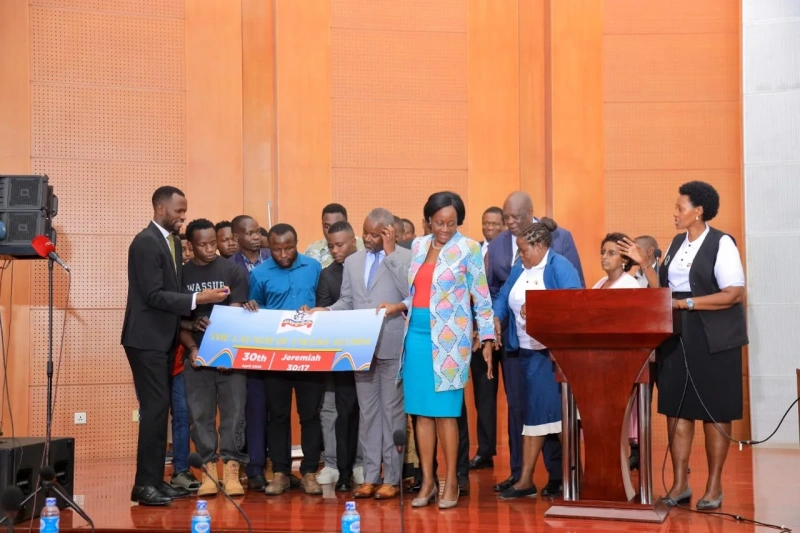
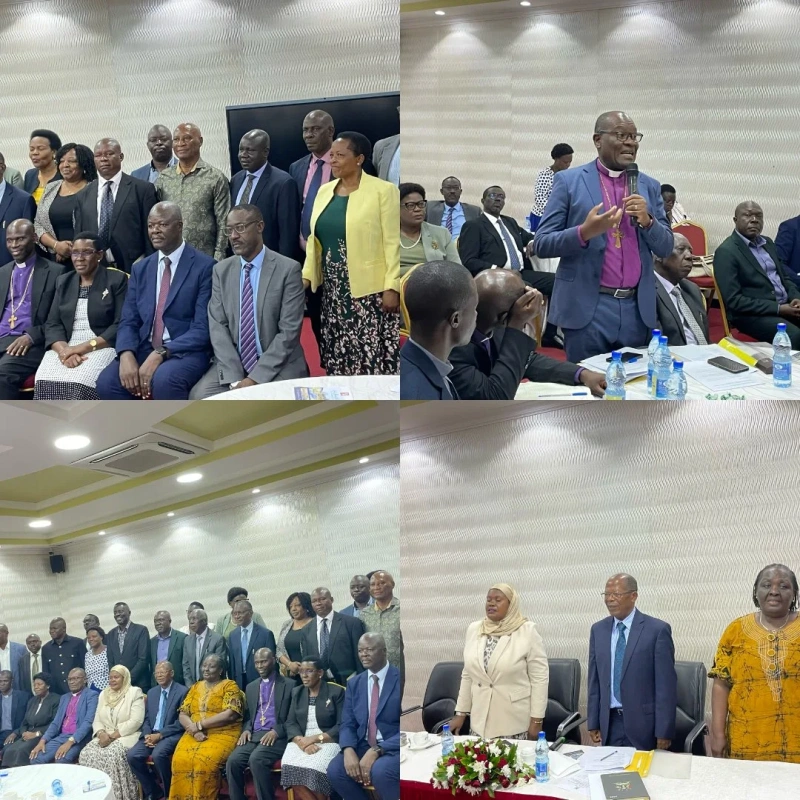
 The Uganda Women’s Effort to Save Orphans (UWESO) has marked four decades of dedicated service to vulnerable children and communities, as stakeholders convened for the 2026 Annual General Assembly to reflect on its legacy and chart a path forward. The Assembly brought together government representatives, development partners, and community actors to assess progress made since the organisation’s founding, while reaffirming its commitment to child protection, education, and sustainable community empowerment. The First Lady and UWESO Patron, Janet Kataaha Museveni, was represented at the event by the Deputy Speaker of Parliament, Thomas Tayebwa, who delivered a message emphasizing the importance of sustained, people-centered interventions. Participants were reminded of UWESO’s origins, established to respond to the urgent needs of children orphaned by conflict, poverty, and the HIV/AIDS epidemic. Over time, the organisation has evolved into a nationally recognized institution focused not only on care and support, but also on restoring dignity and long-term opportunity for vulnerable populations. Speakers highlighted UWESO’s shift from relief-based assistance toward models that promote self-reliance. This transition has been driven by investments in skills development, household empowerment, and the strengthening of community-based systems that enable families to sustainably support children in their care. The Assembly underscored the need to adapt to emerging challenges, particularly in the education sector. Stakeholders called for increased innovation to bridge the digital divide and better equip young people with competencies suited to a rapidly changing global environment. Emphasis was also placed on strengthening resource mobilisation strategies to ensure the organisation’s long-term sustainability. In addition, participants stressed the importance of maintaining strong institutional values, including integrity, accountability, and service, as critical pillars for continued impact and public trust. UWESO was widely commended for its enduring contribution to national development through nurturing the capacity, character, and confidence of Uganda’s children and youth. Stakeholders reaffirmed a shared vision of ensuring that every child supported by the organisation is empowered to thrive and make meaningful contributions to society. As UWESO enters its fifth decade, the Assembly concluded with a renewed commitment to innovation, collaboration, and inclusive growth, positioning the organisation to respond effectively to the evolving needs of Uganda’s most vulnerable communities. 

President Yoweri Kaguta Museveni Clarifies Sovereignty Bill, Reaffirms Uganda’s Commitment to Economic Freedom Featured

President Yoweri Kaguta Museveni Clarifies Sovereignty Bill, Reaffirms Uganda’s Commitment to Economic Freedom

Kampala, Uganda – President Yoweri Kaguta Museveni has addressed public concerns surrounding the proposed Sovereignty Bill, emphasizing that the legislation is intended to safeguard Uganda’s independent decision-making rather than restrict economic activity or international financial flows. In a statement directed to Ugandans, particularly the youth (Bazzukulu), the President noted that recent public discourse has mischaracterized the intent of the Bill. He firmly dismissed claims that it seeks to halt foreign direct investment (FDI), remittances from Ugandans abroad, or financial support to religious institutions. “That is not the Bill I initiated,” President Museveni clarified, stressing that Uganda remains committed to a free-market economy that encourages private sector growth and cross-border financial flows.According to the President, the Sovereignty Bill is rooted in Africa’s long historical struggle for independence and self-determination, tracing back to the early 20th century and culminating in milestones such as the end of apartheid in South Africa in 1994. He underscored that the legislation seeks to protect Uganda’s sovereign right to make independent policy decisions across political, social, economic, and diplomatic spheres. Drawing from the philosophy of Julius Nyerere, President Museveni reiterated that true independence includes the right for nations to make their own choices—even mistakes—without external interference. The President reassured both local and international stakeholders that Uganda will continue to support foreign direct investment, remittances from Ugandans in the diaspora, financial support to religious organizations, and the free movement of capital through private financial systems. He emphasized that Uganda’s liberal economic framework, including privately operated foreign exchange markets, remains a cornerstone of national growth and resilience. President Museveni cautioned against foreign influence in Uganda’s internal policy processes, particularly through funding or advocacy aimed at shaping national decisions. He noted that Uganda’s sovereignty is exercised through democratic mechanisms such as elections and referenda, as enshrined in the Constitution. The President further revealed that he has engaged key government officials, including Hon. Hamson Obua and parliamentary committee leaders, to ensure that the Bill remains focused strictly on protecting policy sovereignty without encroaching on economic freedoms. In closing, President Museveni called for constructive engagement, urging individuals and groups to influence society through positive actions rather than coercion or manipulation, emphasizing leadership by example. 

Dr. John Chrysostom Muyingo Launches National Health Training Policy to Align Education with Healthcare Needs National

Dr. John Chrysostom Muyingo Launches National Health Training Policy to Align Education with Healthcare Needs

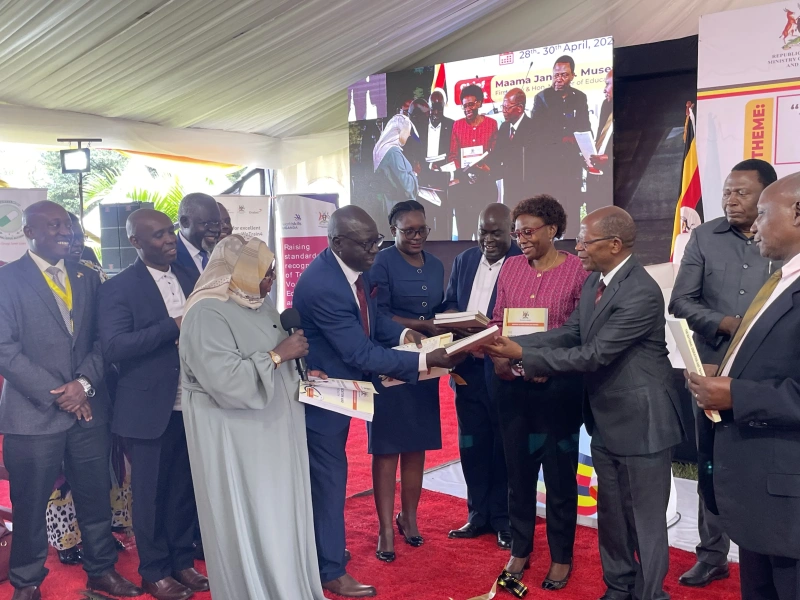
 Jinja, Uganda – April 29, 2026 The Government of Uganda has officially launched the National Education and Training for Health Policy, 2025, a strategic framework aimed at aligning health professionals’ education with national healthcare system needs. The policy was launched by Dr. John Chrysostom Muyingo during the opening of the 4th National Health Professionals’ Education and Training for Health Care Conference held at the Source of the Nile Hotel. Representing the First Lady and Minister of Education and Sports, Dr. Muyingo emphasized that strengthening the quality, relevance, and responsiveness of health training is central to building a resilient health system capable of addressing emerging diseases, population growth, and technological change. He noted that aligning education with actual health system demands is no longer optional but essential to ensure that graduates are competent, adaptable, and able to deliver quality, patient-centered care. Also in attendance was Dr. Jane Ruth Aceng, who underscored the urgent need to strengthen health training systems across the country. Dr. Aceng highlighted gaps in training infrastructure and human resources, calling for increased investment in training tools and personnel. “We need to improve training tools and the availability of trainers,” she stated. Reflecting on past training standards, she added: “During our time, we could be few in number in schools and trainers were available, and we could be produced with good quality.” Her remarks reinforced the importance of maintaining high training standards while expanding access to health education. The newly launched policy provides a comprehensive framework to ensure that health professionals’ education and training are systematically aligned with national priorities and service delivery needs. It emphasizes competency-based education, stronger collaboration between training institutions and health facilities, standardized training programmes, and robust quality assurance mechanisms. It also promotes research, innovation, and continuous professional development to support lifelong learning among health workers. The Government reaffirmed its commitment to ongoing reforms under the Technical and Vocational Education and Training (TVET) Policy, 2019, and the TVET Act, 2025, which prioritize demand-driven training, competency-based approaches, and standardized certification systems. Additionally, the Ministry of Education and Sports continues to modernize health training curricula by integrating Artificial Intelligence (AI), simulation technologies, and digital learning tools to keep pace with global trends. Participants at the conference are engaging in discussions on curriculum reform, digital health integration, and strengthening regulatory and quality assurance frameworks. The Government expressed appreciation to development partners for supporting the conference and commended organizers for their efforts in advancing health education in Uganda. The launch of the National Education and Training for Health Policy marks a significant milestone in strengthening Uganda’s health workforce and ensuring sustainable, responsive healthcare delivery across the country. 

Speaker Among  calls for stronger partnerships as she is inducted into Rotary National

Speaker Among calls for stronger partnerships as she is inducted into Rotary

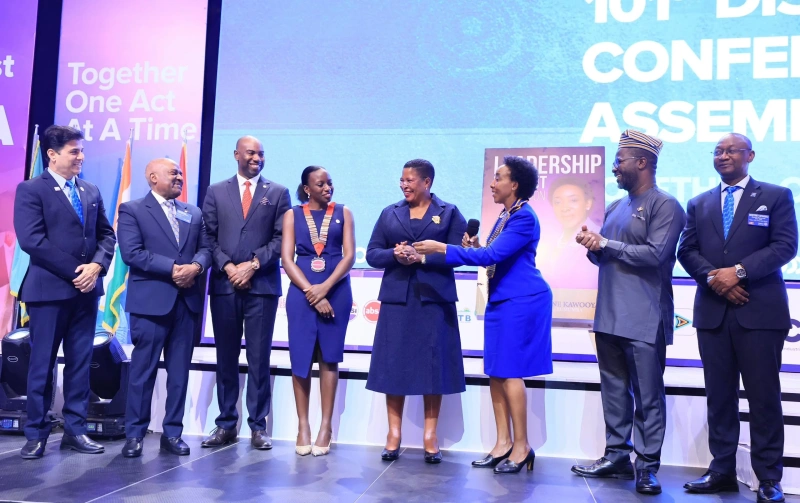
 The Speaker of Parliament, Anita Among, has reaffirmed Parliament’s commitment to partnerships that drive national development as she officiated at the opening of the 101st Rotary District 9214 Conference and Assembly, held under the theme “Together, One Act at a Time.”The conference brought together leaders, professionals, and humanitarians from Uganda and across the world under Rotary International.While opening the conference, Among described the event as a powerful demonstration of unity and purpose, noting that collective action transforms service into a force capable of shaping societies.“This impressive attendance is not only significant in number but also in meaning. It reminds us that when people unite around a common purpose, service becomes more than an activity—it becomes a force,” she said. Among emphasized that national transformation cannot be achieved by government alone, calling for sustained collaboration between public institutions, civil society, and development partners. She praised Rotary as a “trusted partner” whose work aligns with Uganda’s long-term development agenda.She revealed that Parliament has contributed Shs 3 billion towards the 2026 edition of the Rotary Cancer Run, bringing total support since 2016 to Shs 7.2 billion.Speaker Among was inducted into Rotary by District Governor Christine Kyeyune Kawooya, during which she pledged to become a major donor in support of humanitarian causes.She also commended the dedicated service of Emmanuel Katongole, who was appointed to the Rotary International Board as Director representing Africa, the Middle East, and Eastern Europe, and Francis Tusu Tusubira, who was appointed to the Board of Trustees. She noted that the appointments reflect Uganda’s growing influence in global leadership circles and its capacity to contribute meaningfully to international institutions.In the health sector, she pointed to impactful collaborations such as the Oxygen For Life initiative at Kawempe National Referral Hospital, launched with the support of Health Minister Jane Ruth Aceng. She also cited the Uganda Blood Transfusion Services-supported Mengo Rotary Blood Bank as a model of effective partnership in strengthening lifesaving infrastructure.The conference also featured the launch of “Leadership Without Permission,” a new book by District Governor Christine Kyeyune Kawooya, which explores themes of resilience, initiative, and modern leadership.

ONC Head Hajjat Hadijah Namyalo Applauds Wakatayi SSS as Model Government School Featured

ONC Head Hajjat Hadijah Namyalo Applauds Wakatayi SSS as Model Government School

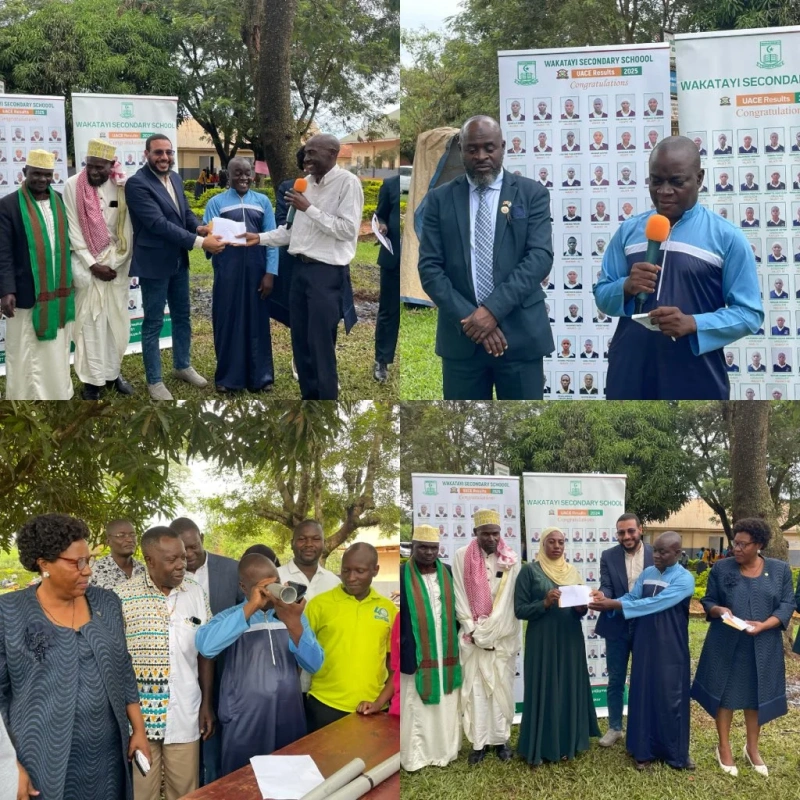
 The Senior Presidential Advisor to the National Chairman of the NRM and Head of the Office of the National Chairman (ONC), Hajjat Hadijah Namyalo, has commended Wakatayi SSS for its outstanding academic performance, describing it as a model government school and a testament to the success of Uganda’s public education system. The message was delivered through the ONC Luweero Sub-Region Coordinator, Wasswa Abdulkarim Tamale, who represented her at a thanksgiving ceremony held at the school in Zirobwe Town Council, Bamunanika Constituency, Luweero District. Wakatayi SSS, operating under the Universal Secondary Education (USE) program, posted impressive results in the 2025 UCE and UACE examinations, with many students scoring up to 19 points and qualifying for higher institutions. The school ranked 8th among the top-performing schools in Luweero District. In her message, Hajjat Namyalo emphasized that the school’s performance is clear evidence that government schools can excel when supported by parents, teachers, and government initiatives. She encouraged students to remain focused and aim higher, while urging parents to provide essential scholastic materials.She also called upon communities to support the government led by Yoweri Kaguta Museveni, noting that programs like free education are transforming lives and expanding access to opportunities. The Headteacher, Hajji Abubaker Kabuye, thanked the Government of Uganda for its continued commitment to improving the education sector, which has enabled government schools to compete favorably. However, he appealed for support in addressing key infrastructure needs, including reconstruction of the perimeter wall destroyed by strong winds in April 2026, completion of a skills enhancement center, expansion of the school mosque to accommodate over 1,600 students, and promotion of theology studies.Also present was the Luweero District Education Officer, Florence Bossa Ssekitoleko, who warned students against early marriages, especially during holidays. She encouraged them to prioritize education and build their futures first. “Stay in school, complete your studies, and secure your future before thinking about marriage,” she advised. Voices from Parents  Parents from humble backgrounds also shared emotional testimonies about the impact of government programs like USE. A father from Zirobwe said:“I am a peasant farmer, and honestly, I could not afford to take my child to a private school. But because of this government program, my child is now studying at Wakatayi SSS and performing well. I thank the government for giving our children a future.” A mother from Busiika added: “As a single mother, life is not easy. School fees used to burden me, but now my child is in school because of USE. When I see these results, I feel hopeful that my child will succeed in life.” During the ceremony, teachers were also recognized and awarded for their outstanding performance in different subject departments. Through her representative, Hajjat Namyalo assured the school of continued support from ONC, noting that priority areas had already been identified to transform Wakatayi SSS into a model school. She emphasized that the focus now should be on development and wealth creation, urging communities to actively participate in government programs aimed at improving livelihoods. 

All Set for Reopening: Former Busoga University Nears Public Status as Final Naming Awaits Approval National

All Set for Reopening: Former Busoga University Nears Public Status as Final Naming Awaits Approval

 The Government of Uganda is in the final stages of reopening the former Busoga University as a Public University, with only a few statutory processes remaining before its official operationalization. This follows a high-level consultative meeting chaired by Hon. Dr. John Chrysostom Muyingo in his capacity as Acting Minister of Education and Sports. The meeting was held at Hotel Africana and brought together key stakeholders to finalize discussions on the naming of the institution. The former Busoga University, which had previously been closed due to governance and financial challenges, has since been taken over by Government and is being repositioned as a public institution to expand access to higher education in the Busoga sub-region. Hon. Muyingo reaffirmed Government’s commitment to the project, highlighting that over UGX 23 billion has already been invested to clear legacy debts, renovate infrastructure at the Iganga campus, and equip the university. He noted that additional works are ongoing to ensure the institution meets all requirements for reopening. Stakeholders were guided by the legal framework under the Universities and Other Tertiary Institutions Act, which provides that a public university is established by statutory instrument upon recommendation by the National Council for Higher Education (NCHE).While NCHE has already recommended the establishment of the university, its legal officer, Madam Fiona Kunihira, advised that the name “Busoga University” should not be retained due to past legal and institutional challenges associated with its closure, emphasizing the need for a fresh identity. During the meeting, former Vice President Specioza Wandira Kazibwe proposed “Busoga International University” as a forward-looking alternative. Rt. Hon. Rukia Nakadama urged Government to expedite approval of the proposed name, calling for the university to be opened before the end of the current Government term and ahead of the swearing-in of the next administration. The Chairperson of the Busoga University Taskforce Management Committee, Prof. John Tabuti, presented a comprehensive report highlighting progress made, stakeholder engagement outcomes, and the institution’s readiness for transition. The meeting reached consensus on a proposed new name for the university. The agreed name will now be submitted for consideration and approval by Cabinet and other relevant Government bodies, in line with established legal procedures. This process will also involve verification and reservation of the name with the Uganda Registration Services Bureau (URSB), before it is formally declared through a statutory instrument. Hon. Muyingo emphasized that the remaining steps are procedural and necessary to ensure the university is established on a firm legal and institutional foundation. “With the progress made so far, we are now at the final stage. Once the approval processes are completed, the university will be formally established and ready to open its doors,” he stated. With infrastructure upgrades ongoing, funding secured, and stakeholder consensus achieved, the reopening of the former Busoga University as a public institution is now imminent—marking a major milestone for higher education development in Busoga and Uganda at large. 

© Copyright 2026, All Rights Reserved