Ssemaganda Moses Hope

Ssemaganda Moses Hope

Journalist at Kampala Media TV

849 published articles


Articles by Ssemaganda Moses Hope

Showing 12-22 of 849 articles
Minister Muyingo Urges Parents to Keep Children Engaged in Productive Activities During Long Holidays Featured

Minister Muyingo Urges Parents to Keep Children Engaged in Productive Activities During Long Holidays

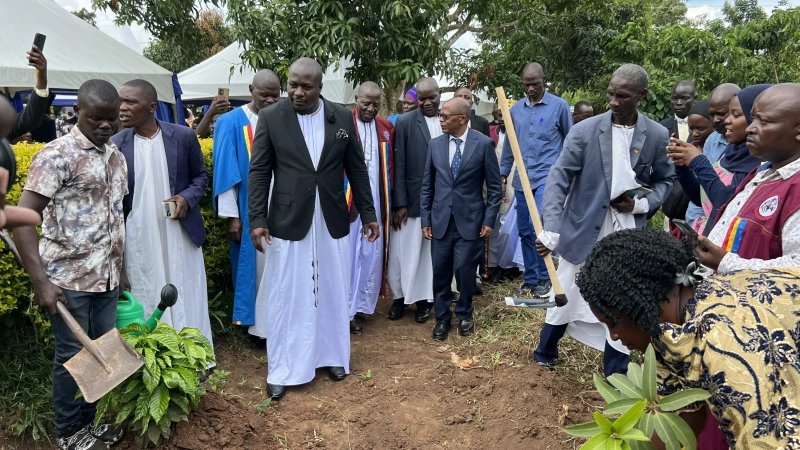
 The Acting Minister of Education and Sports, Hon. Dr JC Muyingo, has urged parents to take greater responsibility for their children’s upbringing as schools approach the long holiday, calling on families to use the break to nurture discipline, religious values, cultural identity and practical life skills among young people. Dr Muyingo emphasised that school holidays should not be treated as periods when children are left idle, but rather as valuable opportunities for parents to strengthen their children’s character, expose them to productive activities and prepare them to become responsible members of society.He encouraged parents to involve their children in appropriate household activities, teach them the importance of hard work, guide them in religious and moral values, and ensure they remain connected to their languages, traditions and cultural heritage. The Minister made the remarks while attending a thanksgiving ceremony at the home of Mr Meddie Ssenabulya in Bbuto Village, Bamunanika, Luweero District.The ceremony was organised by Ssenabulya to thank God for the achievements and blessings in his life, particularly his educational journey, professional advancement and the opportunity to serve his clan.The event also provided an opportunity to celebrate the inspirational personal story of Ssenabulya, who publicly recognised Dr Muyingo for playing a significant role in shaping his educational and professional journey. In his testimony, Ssenabulya revealed that when Dr Muyingo first intervened in his life, he had found him working as a Grade Three teacher. The Minister encouraged him to return to school and continue his education to acquire higher academic qualifications.Ssenabulya explained that this intervention became a turning point in his life, motivating him to overcome the challenges along his educational journey and pursue further studies.Today, Ssenabulya is a qualified teacher and a school administrator serving as the headteacher of a government school. He is also pursuing further academic advancement, with aspirations of attaining a PhD.  He described his achievements as evidence of the transformative power of education and the importance of having people who believe in others, particularly those whose potential has not yet been fully realised.In appreciation of Dr Muyingo’s contribution to his life, Ssenabulya presented him with several gifts, including a male goat, chickens and other items as a gesture of gratitude and recognition.Speaking at the function, Dr Muyingo described Ssenabulya’s journey as an inspiring example of how education, determination and timely support can transform an individual’s life and create opportunities for others. He encouraged Ugandans not to become complacent with their existing qualifications but to continuously pursue knowledge, upgrade their professional skills and seek opportunities that can improve their livelihoods and transform their families.The Minister noted that education should go beyond acquiring certificates, explaining that its greatest value lies in the ability to change individual attitudes, improve living standards and create positive contributions to society.He further encouraged parents to recognise their responsibility in shaping the next generation, particularly during school holidays when children spend more time at home. The ceremony was also attended by the Head of the Ngo Clan, Omutaka Muteesasira-Keeya Tendo Namuyimba, who used the occasion to call upon Ugandans to rediscover and preserve their cultural identity.Omutaka Namuyimba urged families to understand their respective clans, cultural traditions and customs, emphasising that parents have a responsibility to pass this knowledge on to their children.He observed that cultural identity remains an important foundation for building responsible communities and ensuring that younger generations appreciate their heritage.The clan leader also emphasised the importance of food security, urging Ugandans to embrace food crop production alongside commercial agriculture. He acknowledged the economic importance of coffee growing but cautioned that coffee alone cannot sustain household food requirements, since it is a cash crop rather than a food crop.He therefore encouraged households to balance commercial farming with the cultivation of food crops to guarantee food security, improve nutrition and promote stable, happy families.Dr Muyingo’s Political Assistant, Wasswa Abdulkarrim Tamale, commended the Minister for his contribution to transforming communities in Luweero, particularly Bamunanika. Tamale observed that when Dr Muyingo first began engaging communities in the area through education and community empowerment initiatives, the vision was to create lasting change through knowledge, opportunity and improved livelihoods.He said the achievements demonstrated by individuals such as Ssenabulya are encouraging signs that investments in education and human development are beginning to produce tangible results.He noted that Ssenabulya’s journey from being a Grade Three teacher to becoming a qualified teacher and government school headteacher demonstrates the far-reaching impact that investing in people can have on families and communities.  The thanksgiving ceremony brought together education, family responsibility, cultural preservation and community development, reinforcing the message that meaningful transformation begins with individuals who are willing to learn, work hard and create opportunities for others.
Speaker Oboth Pledges Parliament’s Support for Increased Funding to Mbarara University to Boost Research and Infrastructure Education

Speaker Oboth Pledges Parliament’s Support for Increased Funding to Mbarara University to Boost Research and Infrastructure

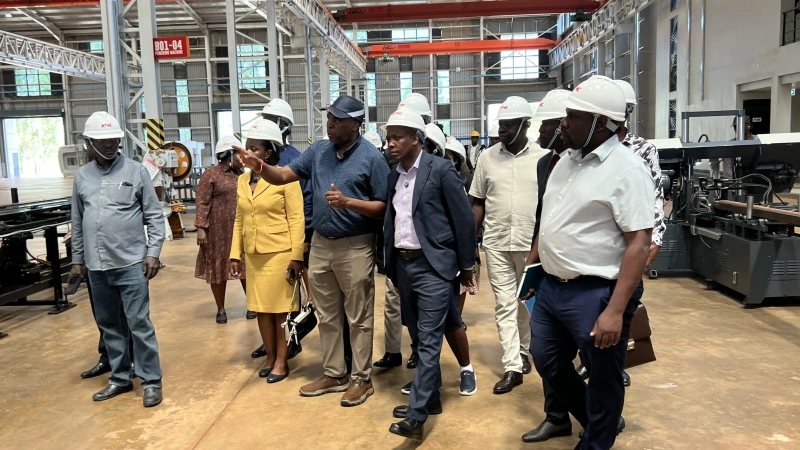
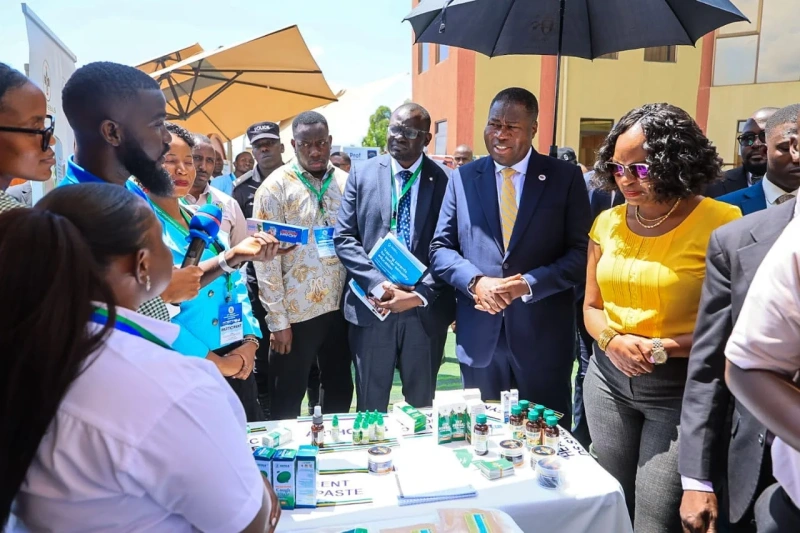
 The Speaker of Parliament, Rt. Hon. Jacob Markson Oboth, has pledged to work with Parliament to secure increased government funding for Mbarara University of Science and Technology (MUST), particularly to support infrastructure development, scientific research and innovation.Oboth made the commitment during MUST’s 21st Annual Research Dissemination Conference held at Las Vegas Hotel in Mbarara City, where he led a delegation of legislators and university officials on a tour of the proposed College of Health Sciences at the university’s City Campus. He said Parliament would support efforts to strengthen the university’s capacity to conduct scientific research, develop medicines and generate innovations aimed at addressing Uganda’s healthcare challenges.The proposed College of Health Sciences will comprise six blocks housing different academic units, including the Schools of Nursing, Medicine and Dentistry, Biomedical Sciences, and Medical Laboratory Sciences. The first phase of construction, being undertaken by the National Enterprise Corporation (NEC), the commercial arm of the Uganda People’s Defence Forces, is estimated to cost more than Shs96 billion and is expected to take three years to complete.During the tour, NEC engineers appealed to the Speaker to engage Parliament in prioritising funding for the project, noting that timely financial support could accelerate its completion from three years to two.Oboth commended MUST for its contribution to scientific research, innovation and healthcare development, pledging Parliament’s support and guidance in identifying practical ways of addressing the institution’s funding requirements. He emphasised that strengthening the university’s financial capacity was essential in enabling it to expand research output and contribute to national development through science, technology and innovation.The university’s Vice Chancellor, Prof. Pauline Byakika-Kibwika, welcomed the Speaker’s commitment but called for increased government budgetary allocations to support infrastructure expansion, research and academic programmes.She noted that additional resources were necessary to strengthen the university’s research capacity and translate scientific findings into practical solutions for Uganda’s healthcare challenges. The Chairperson of Parliament’s Committee on Science, Technology and Innovation, Dr Opio Samuel Ocuri, who is also the MP for Kole North, commended MUST for its contribution to addressing societal challenges through scientific research, innovation and the development of new medicines.  The MP for Kashari North, Patrick Musinguzi, also welcomed the Speaker’s engagement with the university, emphasising the importance of increased investment in science and technology amid rapid global technological advancement.MUST currently receives approximately Shs1 billion annually in direct government research funding, despite managing several externally funded research projects. 

FOUR KASESE DISTRICT OFFICIALS REMANDED OVER ALLEGED MISMANAGEMENT OF UGX 136 MILLION PDM FUNDS Exposed

FOUR KASESE DISTRICT OFFICIALS REMANDED OVER ALLEGED MISMANAGEMENT OF UGX 136 MILLION PDM FUNDS

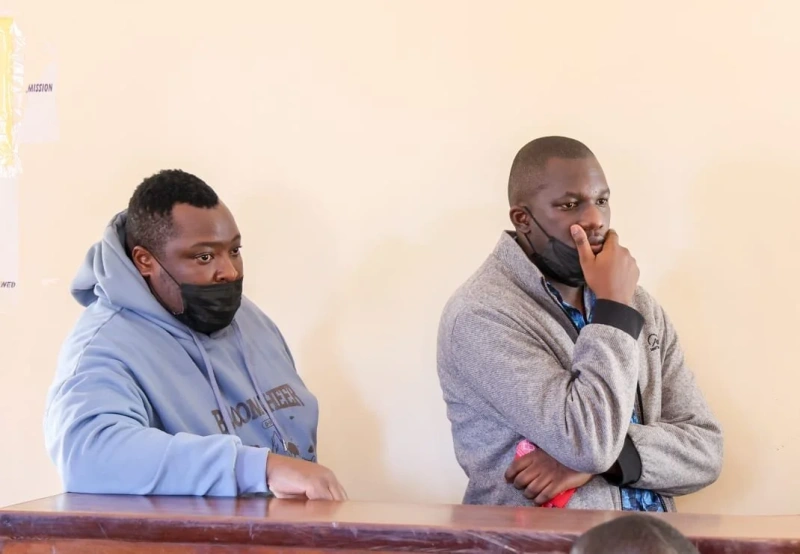
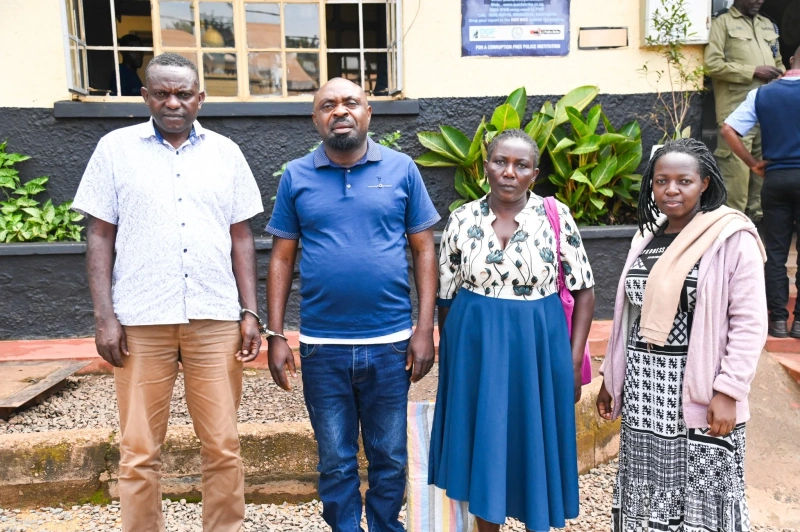
 Four officials linked to Kasese District Local Government have been arraigned before the Anti-Corruption Court and remanded to prison over their alleged involvement in the misappropriation of UGX 136 million meant to support beneficiaries under the Parish Development Model (PDM).The suspects, Kasereka Simon Yambuka, a Commercial Officer with Kasese District Local Government; Owoyesiga Bernard, a ranger attached to the Uganda Wildlife Authority (UWA) at Queen Elizabeth National Park; Busingye Proscovia Robinah and Atuhurira Pedurine, both private rangers attached to UWA, appeared before the Anti-Corruption Court following investigations into the alleged diversion of funds belonging to Mweya-Lake Katwe PDM SACCO. The four face charges of corruption, abuse of office, embezzlement and conspiracy to defraud. They have been remanded until December 1, 2026, as investigations and court proceedings continue.According to the State House Anti-Corruption Unit (SH-ACU), which handled the operation in collaboration with the Criminal Investigations Directorate (CID) and the Office of the Director of Public Prosecutions (ODPP), the alleged offences were committed between 2022 and 2024. Prosecution alleges that the accused, together with Baluku Jeremosi, a Parish Chief employed by Kasese District Local Government who is still at large, conspired while serving as officers of Mweya-Lake Katwe PDM SACCO to fraudulently access and divert UGX 136 million disbursed to the SACCO under the government’s Parish Development Model programme.The suspects allegedly facilitated the registration of individuals who were not eligible to benefit from the programme before arranging for the subsequent disbursement of the funds to them for non-viable business ventures in Mweya Parish, Lake Katwe Sub-County, Kasese District. The alleged scheme raises concerns about accountability and the integrity of the Parish Development Model, one of the government’s flagship interventions aimed at moving households from subsistence to the money economy through financial support for productive enterprises.The arrests follow complaints raised by members of the public in Kasese District during the national Expose the Corrupt campaign, spearheaded by the Minister of Local Government, Hon. Balaam Barugahara, during his engagements with communities across the Rwenzori Sub-region.The complaints provided an opportunity for authorities to follow up on allegations of corruption and investigate the suspected abuse of public resources intended to benefit ordinary citizens.  The State House Anti-Corruption Unit has reiterated the importance of public participation in the fight against corruption, encouraging citizens to report suspected cases of abuse of office, embezzlement and mismanagement of government programmes.  The ongoing case underscores the government’s commitment to strengthening accountability in the implementation of the Parish Development Model and ensuring that public funds reach their intended beneficiaries.

MINISTER MUYINGO URGES UIAHMS GRADUATES TO GO TO VILLAGES AS 1,001 HEALTH PROFESSIONALS GRADUATE AT MULAGO Education

MINISTER MUYINGO URGES UIAHMS GRADUATES TO GO TO VILLAGES AS 1,001 HEALTH PROFESSIONALS GRADUATE AT MULAGO

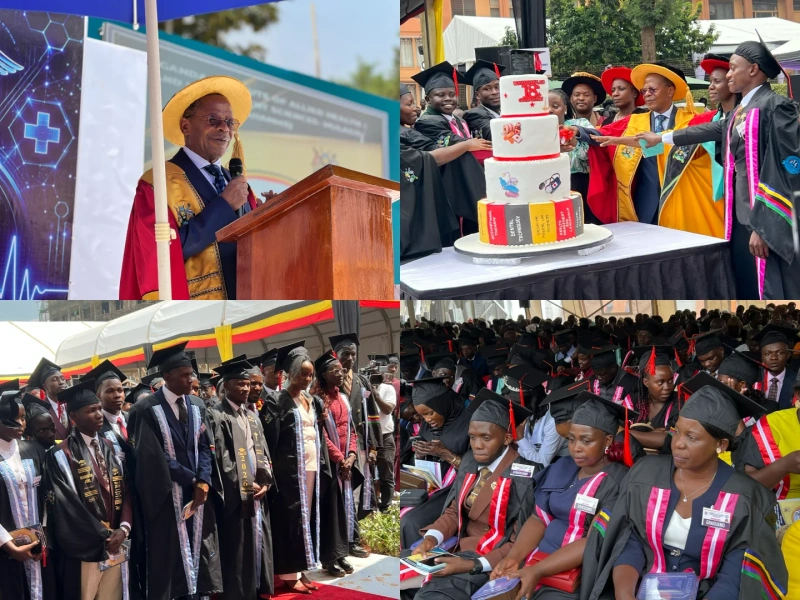
 KAMPALA, November 20, 2026 — The Acting Minister of Education and Sports, Hon. Dr John C. Muyingo, has challenged graduates of the Uganda Institute of Allied Health and Management Sciences (UIAHMS) to look beyond urban centres and embrace employment opportunities in rural communities, saying that villages offer significant opportunities for professional growth and service. Dr Muyingo made the appeal on Friday while presiding over the institute’s 18th graduation ceremony held at Mulago in Kampala, where 1,001 students graduated with diplomas and certificates in various health-related disciplines.Addressing the graduands, Minister Muyingo cautioned against concentrating their job searches in Kampala and other urban centres, encouraging them to take their professional skills to villages where healthcare services are equally needed. “Do not confine yourselves to the city while wandering around looking for opportunities. Go to the villages and work because that is where the jobs are,” Minister Muyingo advised.He encouraged the graduates to appreciate that professional success does not necessarily begin in major cities, noting that rural communities provide opportunities for young professionals to establish themselves while contributing to national development.The Minister congratulated the graduates on successfully completing their studies, describing their achievement as an important contribution to strengthening Uganda’s healthcare workforce. A total of 1,001 students graduated during the ceremony, comprising 557 males and 444 females, with qualifications at diploma and certificate levels.The graduates specialised in various health disciplines, including Dental Technology, Health Management and Leadership, Physiotherapy, Pharmacy, Medical Laboratory Sciences, Diagnostics, Clinical Studies and Public Health, among others.  Minister Muyingo commended the institute’s Governing Council, Principal, management, teaching and non-teaching staff for their dedication to producing competent health professionals equipped with the knowledge and practical skills required to serve Uganda and compete in the global labour market.He challenged the new professionals to uphold professionalism, integrity, compassion and commitment, reminding them that their responsibility goes beyond earning a living to protecting lives and improving the wellbeing of communities. “Graduation is not the end of learning but the beginning of your professional journey,” he said, urging them to embrace continuous professional development, read widely and regularly update their knowledge and skills to remain relevant in an evolving healthcare sector.He further encouraged the graduates to pursue additional academic qualifications, emphasising the importance of lifelong learning in responding to emerging health needs and technological advancements.On personal wellbeing, Minister Muyingo reminded the graduates that healthcare professionals are also human beings who can fall sick, urging them to prioritise their health and safety, protect themselves against HIV and other infectious diseases, and maintain healthy lifestyles. He also encouraged them to embrace Government development programmes, particularly the Parish Development Model (PDM), and use their professional knowledge to contribute to the economic transformation of communities across the country.Minister Muyingo reaffirmed the NRM Government’s commitment to improving the quality of health education through investment in infrastructure, instructional materials, human resources, guidance and transport, as provided for under the National Education and Training for Health Policy, 2025, and the TVET Act, 2025. He recognised the contribution of Mulago National Referral Hospital, Kampala Capital City Authority (KCCA), various health facilities and other institutional partners in providing hands-on training opportunities that equip students with practical competencies.Earlier, UIAHMS Principal Rose Nassali presented the institution’s achievements and highlighted challenges affecting its operations, appealing to Government for additional support.Among the challenges raised were inadequate teaching staff, transport difficulties, accommodation facilities and other institutional requirements necessary to improve the learning environment and training standards. Nassali revealed that the institute currently has a total enrolment of 4,033 students, with female students accounting for 54 per cent of the population.She applauded parents and guardians for increasingly encouraging girls to pursue health-related courses, describing the growing participation of female students as an important milestone in expanding opportunities for women in the healthcare profession.  The Principal also commended the institute’s staff and stakeholders for their contribution towards maintaining academic standards and producing skilled health professionals.Meanwhile, the Chairperson of the Institute’s Governing Council, Dr Okecho, challenged the graduands to translate the knowledge and practical experience acquired during their training into meaningful service at their respective workplaces. He urged them to maintain high professional standards, demonstrate discipline and remain committed to their responsibilities as healthcare providers.The ceremony also featured the administration of professional oaths, while outstanding students were recognised and awarded for their excellent academic performance.  The graduation marks another milestone in the development of Uganda’s healthcare workforce, with the 1,001 newly qualified professionals expected to contribute to healthcare delivery, disease prevention and improved access to medical services across the country.

COSASE QUESTIONS KIIRA MOTORS OVER SLOW PRODUCTION, OWNERSHIP OF 46 BUSES REGISTERED UNDER MINISTER MONICA MUSENERO News

COSASE QUESTIONS KIIRA MOTORS OVER SLOW PRODUCTION, OWNERSHIP OF 46 BUSES REGISTERED UNDER MINISTER MONICA MUSENERO

 The Parliamentary Committee on Commissions, Statutory Authorities and State Enterprises (COSASE) has questioned the management of Kiira Motors Corporation over delays in vehicle production, accountability for public funds and the circumstances under which 46 buses were transferred to EVS Kayoola, a company reportedly registered under the personal name of Dr Monica Musenero, Uganda’s former Minister of Science, Technology and Innovation.  The concerns emerged during an oversight visit by the Committee to the Kiira Motors Corporation manufacturing plant in Mutai Village, Jinja District, where legislators sought explanations from the company’s management regarding its operational performance, production targets and ownership arrangements involving EVS Kayoola.The Committee’s inquiries follow findings by the Auditor General indicating that approximately UGX 498 billion had been invested in Kiira Motors Corporation since its establishment in 2018, raising questions about the progress made against the substantial public investment.  According to the figures presented, Kiira Motors has so far produced only 115 vehicles against its ambitious target of manufacturing 15,000 vehicles by 2040, prompting legislators to question the pace of production and the company’s capacity to achieve its long-term objectives.Particular concern was raised over the 46 buses reportedly transferred to EVS Kayoola under Kiira Motors Corporation. Members of the Committee were informed that the company was registered in the personal name of Dr Monica Musenero, who reportedly holds a 98 per cent ownership stake.  The legislators questioned how a company established within the framework of a government-funded vehicle manufacturing initiative ended up being registered under an individual’s name, especially considering that taxpayers’ resources had been invested in developing the country’s electric mobility industry.The Committee sought clarification on the legal and administrative processes that led to the registration and ownership arrangement, emphasising the need for transparency and accountability in the management of public resources. Responding to the concerns, Kiira Motors Corporation Chief Executive Officer, Isaac Paul Musasizi, explained that each bus manufactured by the company costs approximately UGX 1.2 billion.He further informed the legislators that the company has ambitious plans to expand electric vehicle production, with the ultimate goal of having its vehicles serve the country’s public transportation system by 2040.However, the Committee also raised concerns about the limited electric vehicle charging infrastructure, noting that the 14 charging stations established across the country were insufficient to support the anticipated expansion of electric buses.Musasizi explained that the company was currently engaging operators in the public transport sector to discuss operational arrangements, including passenger fare structures, as part of efforts to introduce its buses into the country’s transport system.On production capacity, the Kiira Motors chief executive attributed some of the operational challenges to inadequate staffing. He disclosed that the company requires approximately 900 employees to operate effectively but currently has only 120 workers.  Meanwhile, Dr Musenero explained to the Committee that the registration of EVS Kayoola in her personal name resulted from an administrative decision during the company registration process.She said the Uganda Registration Services Bureau (URSB), the government agency responsible for registering companies, had requested an individual with a National Identity Card to facilitate the registration.According to her explanation, she subsequently provided her details to meet the registration requirements but acknowledged that the process should have involved consultation with the Attorney General to establish the appropriate legal arrangements. Her explanation prompted further questions from legislators, who sought to establish why a company associated with a government-backed vehicle manufacturing initiative would be registered under the personal ownership of a government official without first obtaining the necessary legal guidance.Following the deliberations, COSASE resolved to summon Dr Musenero to formally appear before the Committee and explain the circumstances surrounding the registration of EVS Kayoola in her personal name and the reported 98 per cent ownership stake.The Committee’s intervention forms part of Parliament’s oversight mandate to examine the performance of public institutions, scrutinise the utilisation of public resources and ensure that government investments deliver value to Ugandans. As Uganda continues to invest in industrialisation, technology and electric mobility, COSASE’s scrutiny of Kiira Motors Corporation seeks to establish whether the substantial public investment is translating into the anticipated production capacity, accountability and economic benefits for the country.

Uganda deputy Speaker Tayebwa, Czech Speaker Seek Stronger Uganda Ties Global

Uganda deputy Speaker Tayebwa, Czech Speaker Seek Stronger Uganda Ties

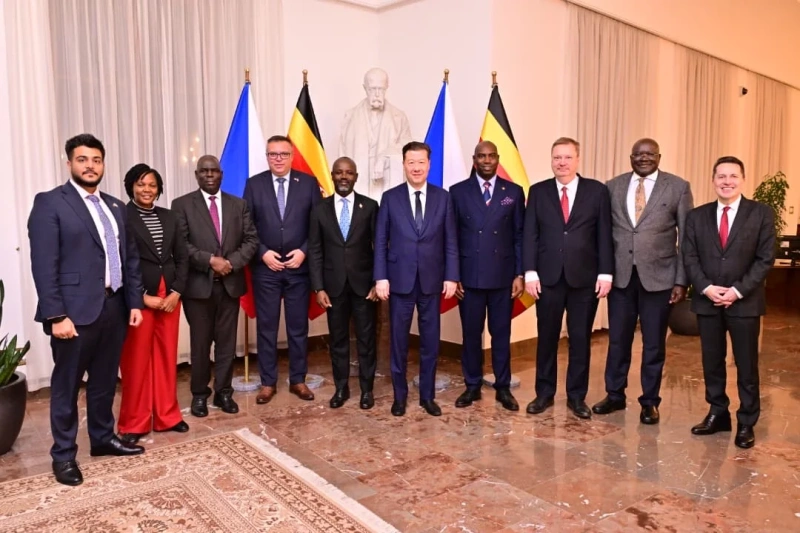
 Deputy Speaker Thomas Tayebwa and Czech Parliament Speaker Tomio Okamura are working to turn their personal friendship into a broader partnership between Uganda and the Czech Republic, with defence, agriculture, trade, education and parliamentary cooperation among the priority areas.Following the conclusion of the week-long Organisation of African, Caribbean and Pacific States–European Union Joint Parliamentary Assembly meetings in Brussels on Thursday, Tayebwa, accompanied by a delegation of MPs, visited Okamura in Prague, the Czech capital, on Friday.The two leaders discussed opportunities to expand cooperation and establish practical partnerships between Czech and Uganda."Our friendship with the Czech Republic is based on very clear principles of mutual understanding and respect for each other," Tayebwa said.They explored cooperation in agriculture, education, trade and investment, with an emphasis on technology transfer, partnerships between companies and capacity-building for public institutions.Okamura expressed support for greater cooperation between Czech defence companies and Uganda."Our governing coalition and I personally fully support the development of cooperation between Czech defence industry companies and Uganda," he said.They also discussed strengthening the Uganda-Czech Parliamentary Friendship Group to provide a platform for sustained engagement and cooperation between the two parliaments.Tayebwa said the cooperation should deliver tangible economic and institutional benefits for both countries."We are looking forward to seeing more Czech businesses because we need them in our country," he said.From personal friendship to stronger bilateral relationsOkamura visited Uganda in August for a gorilla-tracking experience in Bwindi Impenetrable National Park. During the visit, the two leaders jointly named a newborn mountain gorilla Tomáš, which has since become a symbol of their friendship and an opportunity to strengthen ties between Uganda and the Czech Republic.Recalling the experience, Okamura described the visit as unforgettable and said he hoped the gorilla would remain a lasting symbol of Czech-Ugandan friendship.He also recalled being described as an unofficial ambassador for Ugandan tourism during his visit, pledging to continue promoting the country's natural beauty among the Czech people."I will continue to promote the beauty of Uganda among the Czech people," he said.As a practical step towards sustaining the engagement, Tayebwa extended an invitation to Okamura and a delegation of Czech officials to visit Uganda next year.Tayebwa was accompanied by Hon. Dicksons Kateshumbwa, MP for Sheema Municipality; Hon. Paul Omara, MP for Otuke County; Hon. Shyam J. Tanna, MP for Tororo Municipality; and Hon. Joan Namutaawe, Woman MP for Masaka District.

UGANDA LAUNCHES TVET QUALIFICATIONS FRAMEWORK AS ACTING EDUCATION MINISTER MUYINGO CONFIRMS GOVERNMENT COMMITMENT TO TRANSFORM SKILLS DEVELOPMENT AND OPEN PROGRESSION FROM PRIMARY SEVEN TO PhD National

UGANDA LAUNCHES TVET QUALIFICATIONS FRAMEWORK AS ACTING EDUCATION MINISTER MUYINGO CONFIRMS GOVERNMENT COMMITMENT TO TRANSFORM SKILLS DEVELOPMENT AND OPEN PROGRESSION FROM PRIMARY SEVEN TO PhD

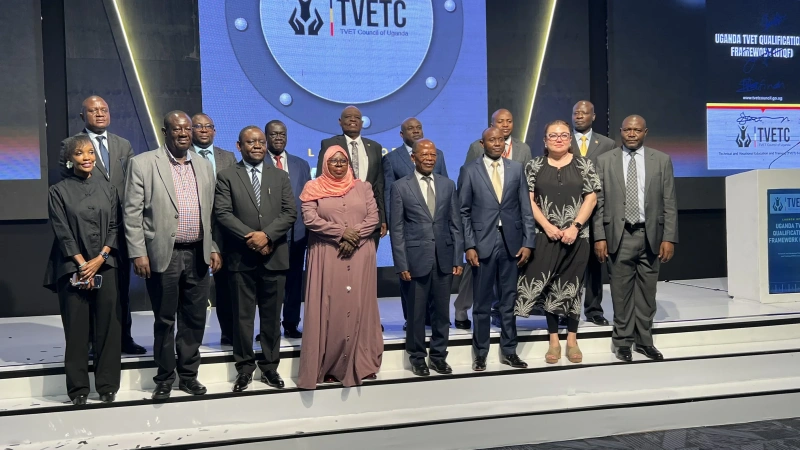
 Uganda has taken a significant step towards transforming its technical and vocational education system following the launch of the Uganda TVET Qualifications Framework (UTQF), an ambitious national initiative designed to standardise skills training, recognise practical competencies and establish clear education and career progression pathways for Ugandans. The framework, launched at Serena Hotel in Kampala, is expected to change the way technical and vocational education is delivered, assessed and recognised, while strengthening the country’s efforts to develop a skilled, productive and internationally competitive workforce.Representing the Government of Uganda at the launch, the Acting Minister of Education and Sports, Hon. Dr John Chrysostom Muyingo, reaffirmed Government’s commitment to supporting the implementation of the framework through appropriate financing, strengthening technical institutions, safeguarding the integrity of qualifications and promoting international recognition of Ugandan qualifications.  Dr Muyingo congratulated the TVET Council and all stakeholders who contributed to developing the framework, describing its launch as an important milestone in Uganda’s human capital development and economic transformation agenda.He emphasised that Uganda’s ambition of expanding its economy from approximately USD 50 billion to USD 500 billion requires a workforce equipped with relevant technical, vocational and practical skills to support the country’s priority economic sectors.He identified agro-industrialisation, tourism, mineral development, manufacturing, oil and gas, science and technology, among other sectors, as areas that require competent and skilled workers capable of driving productivity and sustainable economic growth. The Acting Minister further highlighted the importance of enforcing the Technical and Vocational Education and Training Act, 2025, noting that qualifications must be registered under the approved framework to receive official recognition.One of the most significant developments introduced by the Uganda TVET Qualifications Framework is the creation of structured education progression opportunities for learners who choose vocational training, including those who begin the pathway after completing Primary Seven. According to TVET Council Executive Director Moses Kasakya, learners completing Primary Seven and choosing the TVET pathway will be able to progressively advance from artisan and craftsman levels to National Diplomas, degrees, master’s qualifications and eventually PhDs, subject to the relevant progression and entry requirements.This development is expected to change the traditional perception that vocational education is only an alternative for learners who do not continue with conventional academic education.Instead, the framework positions TVET as a recognised education pathway through which learners can develop practical competencies, acquire higher qualifications and build successful professional careers without necessarily abandoning their academic ambitions. Kasakya explained that the framework is not simply another policy document but a national reference for establishing what a learner knows and, more importantly, what they can demonstrate through practical work.For many years, Ugandans have acquired valuable skills through apprenticeships, workplaces, informal training and hands-on experience without necessarily obtaining formal certificates to demonstrate their competencies.This has often made it difficult for experienced workers to compete for formal employment, access opportunities or progress professionally despite possessing the necessary practical abilities.The new framework seeks to address this challenge through recognised standards for assessing and certifying competencies acquired through both formal and informal learning. Through Recognition of Prior Learning (RPL), experienced mechanics, electricians, carpenters, builders, agricultural workers and other skilled practitioners will have an opportunity to present their practical abilities for assessment against established occupational standards and obtain recognised qualifications if they meet the required competencies.The initiative is also expected to strengthen the relationship between training institutions and employers by ensuring that skills development responds to the actual demands of the labour market.  Through collaboration with industry stakeholders, employers and relevant sector experts, training programmes will increasingly focus on producing graduates with the technical knowledge and practical competencies required in different economic sectors.Kasakya emphasised that a competent and skilled workforce is essential for Uganda to achieve its Vision 2040 ambition of growing the economy tenfold, from approximately USD 50 billion to USD 500 billion.He explained that priority sectors such as industrialisation, tourism, mineral development, manufacturing, oil and gas, science and technology, and the creative industry require a workforce capable of delivering results and supporting national development. The framework is consequently expected to improve the credibility of Uganda’s qualifications, create better opportunities for skilled workers and make national technical and vocational qualifications more comparable and recognisable beyond the country’s borders.Its implementation will require coordinated efforts involving Government, the Ministry of Education and Sports, the TVET Council, training institutions, employers, trainers, assessment bodies and other stakeholders.For young Ugandans, the framework creates additional opportunities to pursue technical careers while retaining the possibility of advancing to higher education. For experienced artisans and workers, it offers an opportunity to have their practical abilities formally assessed and recognised. For employers, it provides a more reliable basis for identifying and recruiting competent workers.  With the Acting Minister of Education and Sports reaffirming Government’s commitment to implementation and the TVET Council spearheading the initiative, the Uganda TVET Qualifications Framework marks a new chapter in the country’s skills development agenda.

PRESIDENT MUSEVENI CALLS FOR VALUES-BASED EDUCATION AS PROVE UGANDA LAUNCHES TEACHERS’ GUIDE National

PRESIDENT MUSEVENI CALLS FOR VALUES-BASED EDUCATION AS PROVE UGANDA LAUNCHES TEACHERS’ GUIDE

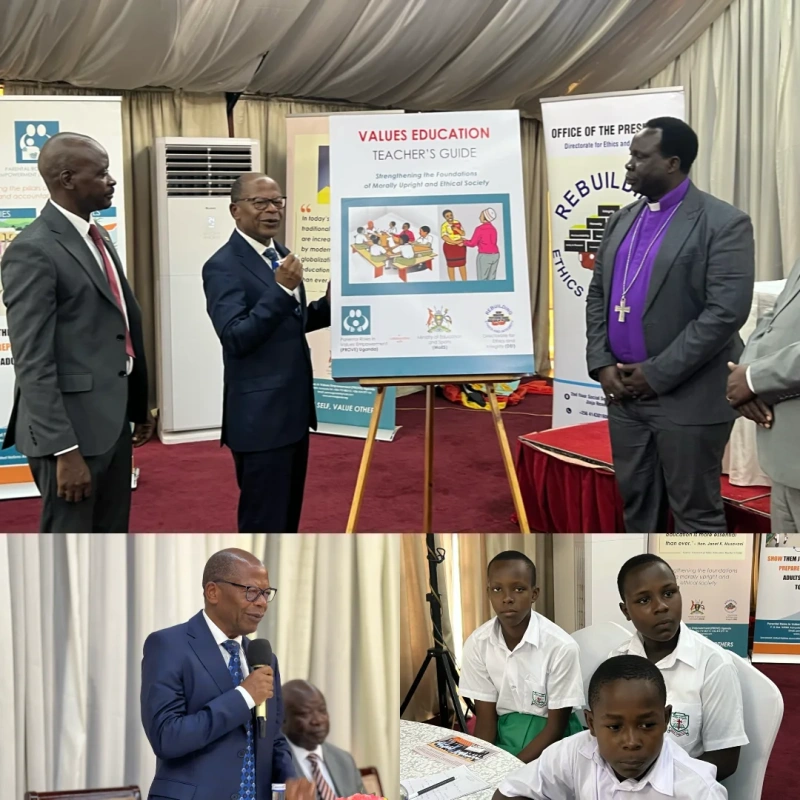
 President Yoweri Kaguta Museveni has called for a stronger emphasis on values-based education in Uganda, urging teachers, parents and education stakeholders to raise disciplined, patriotic, responsible and productive young people capable of contributing to the country’s socio-economic transformation.The President made the call on Thursday, November 12, 2026, during the launch of the Values Education Teacher’s Guide by Parental Roles in Values Empowerment (PROVE) Uganda, in partnership with the United Nations Association of Uganda (UNA Uganda), at Sheraton Kampala Hotel.President Museveni was represented at the launch by the Acting Minister of Education and Sports, Hon. Dr John Chrysestom Muyingo, who delivered the President’s message and officially launched the guide on his behalf. In his address, President Museveni congratulated PROVE Uganda’s Executive Director, Mr. Maani Bamuheire, and the entire team for developing the resource, describing it as an important tool for strengthening life skills and positive values among children and young people.He noted that although the NRM Government has expanded access to education through Universal Primary Education (UPE), Universal Secondary Education (USE) and technical and vocational training, access to education must be matched with the development of competence, discipline, patriotism and a sense of responsibility among learners.The President welcomed the approval of the Values Education Teacher’s Guide by the National Curriculum Development Centre (NCDC) as reference material for teachers, urging educators to integrate its content into classroom discussions, group work, school activities and the everyday management of responsibilities.  “A teacher is not only a transmitter of information; a teacher is also an example to the learners,” President Museveni stated.He explained that children learn important values by observing the conduct of adults, particularly their teachers, noting that punctuality, fairness, preparation, respect and commitment to duty should be demonstrated through practical actions.  On patriotism, President Museveni recalled his 2009 address during the launch of Patriotic Clubs, where he emphasised the importance of teaching young people to love Uganda from an early age.He said genuine patriotism requires citizens to reject sectarianism based on tribe and religion, as well as gender chauvinism, while appreciating the mutual interests that connect different individuals and professions in society. The President illustrated that farmers depend on traders and processors, factories need raw materials and customers, while doctors, teachers, public servants and entrepreneurs all depend on the wider community.He cautioned that corruption, dishonesty and mistreatment of others undermine these relationships, explaining that a public servant who steals public resources damages the very services that society, including their own families, may eventually need.President Museveni further challenged education stakeholders to prepare learners for Uganda’s socio-economic transformation by promoting practical problem-solving, creativity, innovation, technical competence and entrepreneurship. He encouraged young people to appreciate opportunities in agriculture, manufacturing, tourism, information technology and other productive sectors, emphasising that education should prepare them not only to seek employment but also to create useful products, services and jobs.On regional integration, the President urged Ugandans to appreciate their economic relationship with other East African countries, explaining that regional cooperation provides wider markets for producers, attracts investment, supports industrialisation and strengthens Africa’s position in global trade.He also called for the preservation of African identity, heritage, languages and cultures while encouraging young people to acquire modern knowledge and skills in science, technology, industry and international trade.Environmental conservation was another key area highlighted in his message. President Museveni urged schools to teach learners the importance of protecting forests, wetlands, rivers, lakes, soils and other natural resources. He encouraged practical environmental activities such as tree planting, proper waste management, protection of water sources and responsible land use, noting that environmental protection is fundamental to sustainable development and the welfare of future generations.Addressing learners, the President emphasised the importance of valuing and protecting their lives through responsible choices, discipline and constructive habits.He encouraged students to take their studies seriously, maintain physical fitness, avoid destructive habits, acquire marketable skills, participate in sports and exercise, read the Bible or Quran according to their faith and help their parents with productive work during school holidays.  President Museveni further called upon the Ministry of Education and Sports, the National Curriculum Development Centre and other relevant institutions to provide teachers with appropriate materials, orientation and practical guidance to ensure effective implementation of values education.He stressed that the ten National Ethical Values identified in the guide should not remain slogans but must be reflected in learners’ everyday conduct, including teamwork, conflict resolution, respect for others, responsible technology use and accountability for mistakes.Meanwhile, Mr. Tom Bamuheire emphasised that education should prepare learners to make sound choices and contribute meaningfully to national development.He observed that learners often take their cues from the actions of adults, especially their teachers, making it important for educators to practise the same values they teach in classrooms.  Bamuheire noted that values education should therefore go beyond theoretical instruction and influence the decisions, behaviour and relationships of young people both inside and outside school.The engagement was moderated by the Secretary General of the United Nations Association of Uganda, Mr. Baguma RT, who appreciated the stakeholders whose contributions were instrumental in developing the guide.Baguma also recognised Hon. Dr Muyingo for representing the President and delivering the government’s message at the launch.The initiative brings together PROVE Uganda, UNA Uganda and other education and development stakeholders in an effort to strengthen values education and promote responsible citizenship among Ugandan children and young people.  The launch was attended by representatives from the Ministry of Education and Sports, the National Curriculum Development Centre, the Ministry of Gender, Labour and Social Development, the Directorate for Ethics and Integrity, teachers, parents and other stakeholders.

BREAKING NEWS: HON. TEBANDEKE RETAINS BBAALE COUNTY MP SEAT AS HIGH COURT DISMISSES ELECTION PETITION Happening Kati

BREAKING NEWS: HON. TEBANDEKE RETAINS BBAALE COUNTY MP SEAT AS HIGH COURT DISMISSES ELECTION PETITION

 The High Court of Uganda sitting at Mukono has upheld Hon. Charles Tebandeke’s election as Member of Parliament for Bbaale County, dismissing a petition filed by his political rival, Kiiza Arthur.In a judgment delivered on Wednesday, November 11, 2026, Justice Philip W. Mwaka dismissed Election Petition No. 06 of 2026 after finding that the petitioner had failed to present sufficient credible evidence to prove allegations of electoral offences against Hon. Tebandeke.  Kiiza had challenged Tebandeke’s victory, accusing him of making false statements concerning the character of candidates and conducting sectarian campaigns during the 2026 parliamentary election campaigns. He had asked court to nullify the election and order a fresh poll. However, the court found that the evidence presented, including audio-visual recordings allegedly capturing the disputed campaign statements, did not meet the required standards of authenticity and admissibility. The judge also noted inconsistencies in witness testimonies and observed that the petitioner had not personally heard most of the statements attributed to Hon. Tebandeke.The court consequently ruled that the allegations had not been proved to the required standard under the Parliamentary Elections Act.  In its final orders, the court dismissed the petition, confirmed Hon. Tebandeke as the duly elected MP for Bbaale County and ordered Kiiza Arthur to pay the costs of the petition.The ruling clears the way for Hon. Tebandeke to continue representing the people of Bbaale County in Uganda’s 12th Parliament.

SHACU CRACKS DOWN ON ALLEGED LAND GRABBING AS BUSINESSMAN AND ENGINEER REMANDED OVER VIOLENT EVICTION IN KIRA Crime

SHACU CRACKS DOWN ON ALLEGED LAND GRABBING AS BUSINESSMAN AND ENGINEER REMANDED OVER VIOLENT EVICTION IN KIRA

 The State House Anti-Corruption Unit (SHACU), in collaboration with the Criminal Investigations Directorate (CID) and the Office of the Director of Public Prosecutions (ODPP), has intensified efforts to combat land-related injustices, leading to the arraignment and remand of two suspects accused of participating in a violent land takeover in Kira Municipality, Wakiso District.The suspects, identified as Ssemakula Yusuf, a businessman, and Kato Erick, a mechanical engineer, were this afternoon arraigned before the Kira Chief Magistrate’s Court to answer six counts relating to alleged land grabbing, forcible entry, unlawful occupation and destruction of property belonging to bona fide occupants. The court remanded the two until November 23, 2026, as they face charges of destroying growing plants, forcible entry, forcible detainer and unlawful eviction of bona fide occupants without a court order.According to the prosecution, the alleged offences occurred between September and November 2025 at Kitukutwe Village, Kira Municipality, Wakiso District, where the accused, together with other individuals still at large, allegedly mobilised an unusually large group of people who violently entered land comprised in Block 180, formerly Plot 2 Kyadondo.The group allegedly entered the property with the intention of taking possession of it without following the established legal procedures or obtaining a court order authorising the eviction of the existing occupants.In a further allegation, during November 2025, the accused, acting alongside other individuals still at large, allegedly participated in the destruction of property belonging to three individuals identified as Kabugo William, Kizito Robert Nsimbi and Edisa Sanyu.The alleged destruction affected several agricultural investments and growing plants on the land, including eucalyptus trees, natural trees, maize gardens, banana plantations, sweet potatoes, fruit trees and cassava, among other crops.  The destruction of these plantations points to the wider economic consequences that land-related violence can have on individuals and families whose livelihoods depend on land ownership, farming and other investments.Beyond the ownership of land, the case brings into focus the rights of bona fide occupants and the importance of respecting the rule of law in resolving property disputes. Even where disagreements over ownership or possession arise, the law provides established channels through which parties can seek redress without resorting to violence, intimidation or self-help evictions.SHACU, working jointly with CID and ODPP, continues to pursue alleged criminal conduct that undermines the rights of Ugandans, including unlawful land takeovers and the destruction of property. The Unit emphasises the importance of resolving land disputes through lawful processes and reminds the public that no person should take the law into their own hands by forcibly entering occupied land, destroying property or evicting occupants without following the required legal procedures.  The two suspects will remain on remand until November 23, 2026, when they are expected to return to court. They are presumed innocent until proven guilty by a competent court of law.

Deputy Speaker Tayebwa Prepares OACPS for Crucial Talks with European Union Global

Deputy Speaker Tayebwa Prepares OACPS for Crucial Talks with European Union

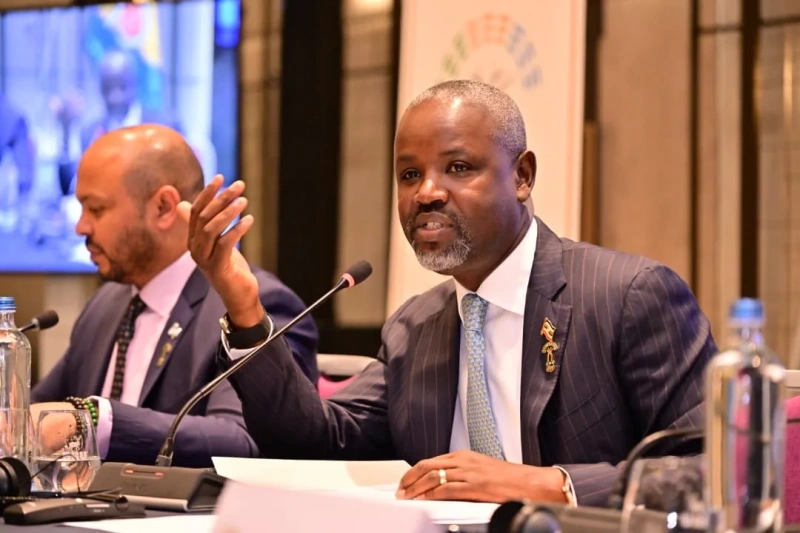
 Uganda's Deputy Speaker of Parliament and President of the OACPS Parliamentary Assembly, Thomas Tayebwa, has urged African, Caribbean and Pacific legislators to close ranks and negotiate with the European Union as a united bloc, saying their collective strength will determine their influence on international trade, investment, climate finance and development.Tayebwa made the call as he chaired the 65th session of the Organisation of African, Caribbean and Pacific States (OACPS) Parliamentary Assembly in Brussels on Sunday. It was his first session as the Assembly's president.  The OACPS brings together 79 member states from Africa, the Caribbean and the Pacific to promote cooperation and advance their shared interests. Tayebwa said the three regions must develop coordinated positions on issues affecting their nearly two billion people.He argued that Europe's ability to negotiate as a regional bloc gives it considerable influence in international engagements, a model the OACPS should emulate to advance the interests of its member states.“When we are engaging with our European countries, our partners, you will not hear them talking about their country. They will be talking about Europe as a region. We want in our engagement tomorrow with our European counterparts to be guided by unity,” Tayebwa told delegates.“When you are speaking, you are speaking for Africa, you are speaking for the Caribbean, you are speaking for the Pacific, not just for your country. That's the only way we shall be able to match these people,” he added.  The session brought together 46 heads of delegation and more than 220 participants from the three regions to discuss common priorities and prepare for engagement with European counterparts through the OACPS-EU Joint Parliamentary Assembly, which runs from November 9 to 13 in Brussels.Tayebwa urged delegates to participate actively, coordinate with colleagues across the three regions and support their negotiators.The appeal comes as he seeks to strengthen the OACPS's institutional structures and redefine its role in international parliamentary diplomacy under the Samoa Agreement, which provides the framework for cooperation between the organisation and the European Union.  The agreement covers areas of mutual interest, including trade, investment, sustainable development, climate change, governance, peace and security. Its implementation provides a framework through which member states can advance their development priorities in partnership with the EU.OACPS Secretary-General Moussa Batraki also appealed to delegates to make the organisation's diversity a source of strength rather than a barrier to collective action.“Our collective force resides precisely in this ability to combine the diversity of our priorities and the solidarity that unites our 79 Member States,” he said.  Batraki noted that the new parliamentary architecture emerging under the Samoa Agreement places an additional responsibility on the organisation to preserve its unity while allowing each region to articulate its particular interests.He cited the Caribbean-EU parliamentary meeting held in Antigua and Barbuda in February 2026, the Africa-EU parliamentary meeting held in Eswatini in May 2026, and preparations for the Pacific region's parliamentary engagement in Brussels.Slow ratification of Samoa AgreementTayebwa also raised concerns about the slow ratification of the Samoa Agreement by member states.He told delegates that, according to the latest update presented to the OACPS Bureau, only 15 OACPS member states and 15 EU member states had ratified the agreement, despite it approaching its second anniversary.  The delay risks slowing its full implementation and limiting opportunities available to member countries. Tayebwa disclosed that he had written to speakers of parliaments across the OACPS, asking them to help accelerate national ratification processes.“I encourage colleagues to follow up with their national authorities so that ratification moves fast and we move from provision to full implementation,” he said.He urged legislators to question their respective foreign affairs ministers about progress when they return to their national parliaments.“When you go back, I will request you to ask your ministers in charge of foreign affairs, on the floor of parliament, to give you an update on how far they have gone with ratification. Because it unlocks a lot of opportunities for your country,” he added.  Batraki also appealed for faster ratification, explaining that although the agreement had been provisionally applied since January 2024, its full implementation required ratification by at least 53 OACPS member states.“We are still far from this goal. Your role in accompanying national procedures will therefore be decisive,” he told the Assembly.Push for financial independenceAnother major issue discussed was the Assembly's financial sustainability. Tayebwa has been pushing for mechanisms to finance its activities without depending entirely on support from the European Union.He said institutional reforms and changes to the Assembly's rules would have limited impact if the organisation lacked the resources to implement its priorities.“Reliable financing is essential if we are to organise our own activities and follow through on our priorities. We cannot continue to depend on external support only to determine when and how we meet,” he said.His proposal received support from the regional groups, with Pacific Regional Parliamentary Group President Renata Tamapua backing the establishment of a common parliamentary fund.  She said contributions should take into account the financial capacities of member states, geographical constraints and high travel costs. She also emphasised the need for predictable and sustainable financing to support the Assembly's activities between formal sessions.The Caribbean group, represented by its president and Jamaica's Deputy Speaker, Heroy Anthony Clarcke, also supported the proposal for a common fund, with contributions from the three regions based on their respective capacities and proper financial accountability.The African group similarly endorsed the principle of independent parliamentary financing and proposed an initial fund of approximately €1 million from 2027.Climate finance, debt and digital development  The agenda for the parliamentary engagement with the EU also includes challenges facing developing countries, particularly climate financing and digital learning.Tayebwa said these issues directly affect decisions taken by national parliaments and governments' ability to protect their populations. He highlighted the challenge of financing climate action without placing additional pressure on already indebted developing economies.“Our discussions on climate finance and digital learning also concern choices we face in our own parliaments. That is how to protect communities without depending on debt, and how to strengthen the skills and institutions needed to serve them,” he said.Batraki called for a stronger parliamentary role in international discussions on climate change, debt, trade, investment and food security, arguing that decisions in these areas have direct consequences for people's daily lives.  “Our parliaments must be able to contribute more to these international debates, promote common positions and ensure that commitments are translated into rational national policies,” he said.The OACPS-EU Joint Parliamentary Assembly, scheduled for November 9–13 in Brussels, will provide an opportunity for legislators from both sides to deliberate on these priorities and strengthen cooperation between the two blocs.

© Copyright 2026, All Rights Reserved