Ssemaganda Moses Hope

Ssemaganda Moses Hope

Journalist at Kampala Media TV

730 published articles


Articles by Ssemaganda Moses Hope

Showing 34-44 of 730 articles
NRM Women Leaders and NRM-Aligned Independents Reclaim Political Ground in Luweero Sub-region as Nakasongola Records 99.6% Victory ONC Coodinator Confirms Political

NRM Women Leaders and NRM-Aligned Independents Reclaim Political Ground in Luweero Sub-region as Nakasongola Records 99.6% Victory ONC Coodinator Confirms

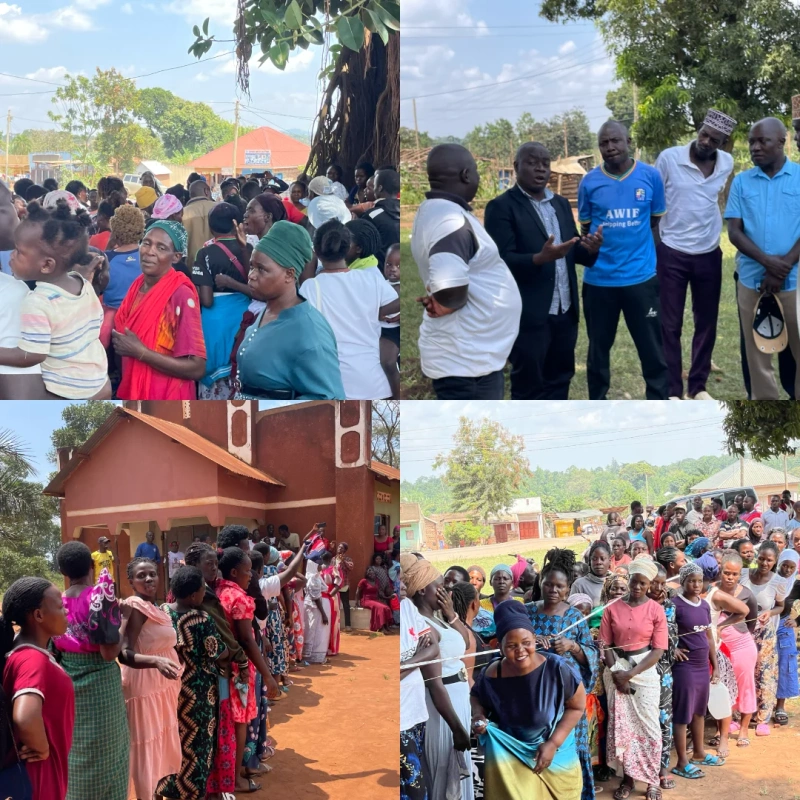
 The National Resistance Movement (NRM) and candidates aligned with the ruling party have demonstrated strong political dominance in the recent Women Council elections, with the results from different areas pointing to a strong grassroots mobilisation ahead of the upcoming LC1 Chairperson elections.  The development follows observations by the Office of the National Chairman (ONC) Luweero Sub-region Coordinator, Wasswa Abdulkarim Tamale, who supervised the Women Council elections in various parts of the sub-region.According to Tamale, the elections were highly competitive in several areas, but NRM-backed candidates emerged strongly in most of the villages visited. He also observed that a number of independent candidates who won their respective positions were politically aligned with or supportive of the NRM, giving the ruling party and its allies a strong overall performance.  The elections were marked by high levels of participation, with women turning up in large numbers and actively taking part in the democratic process. The participants were largely happy and enthusiastic throughout the exercise, which was conducted through lining up behind candidates.The scale of the NRM’s grassroots strength was also reflected in results from neighbouring areas.  In Nakasongola District, the NRM reportedly secured 1,798 out of the 1,800 positions contested across the villages, while the NUP won only two positions in Migeera Town Council—one for Chairperson and another for Publicity. This represents approximately 99.9% for the NRM and 0.1% for NUP based on the figures provided.The NRM also reportedly secured 359 Chairperson positions in Nakasongola District, with only two positions going to NUP candidates. In Luweero District Kalagala Sub-county, out of 155 candidates, 139 were affiliated with the NRM, 11 were independents, while NUP had five candidates. The figures further demonstrate the strong presence of the NRM and the significant role played by independent candidates in the elections.The competition, however, remained tight in several areas. The use of lining up behind candidates made the level of support for each contestant immediately visible, creating intense competition and heightened emotions. Candidates and their supporters could directly see the numbers mobilised by their opponents, making every voter crucial to the outcome.  Unlike secret-ballot elections, where voters make their choices privately, lining up publicly can generate greater pressure and excitement as supporters closely monitor the process and mobilise until the final moments. In several areas, the margins between candidates were reportedly narrow, making the contests highly competitive.The intensity of the elections was further demonstrated in some areas where defeated candidates were reportedly seen fainting after the declaration of results, highlighting the emotional weight attached to the contests.  Despite the tight competition, Tamale called upon candidates and their supporters to maintain peace and avoid fighting because of elections. He urged voters to choose capable, committed and able leaders who can effectively represent their interests and contribute to the development of their communities.  He also encouraged all candidates to accept the outcome of the democratic process and maintain unity after the elections.Political analysts believe that the results and the level of mobilisation witnessed during the Women Council elections could provide an important indication of what may happen during the LC1 Chairperson elections scheduled for July 28.  According to the analysts, the strong performance of NRM candidates, the significant number of independent candidates who are sympathetic to the ruling party, and the intense grassroots mobilisation witnessed during the Women Council elections could be repeated in the upcoming LC1 elections.With the LC1 elections expected to attract strong competition at village level, the political atmosphere in the region is likely to remain highly charged. However, stakeholders continue to call for peaceful elections, reminding candidates and voters that political competition should be about choosing leaders and not fighting one another.The Women Council elections have therefore provided an early political signal ahead of July 28, with the NRM and its allies appearing to have established a strong grassroots advantage in several areas as Uganda prepares for the next stage of local council elections.
Acting Minister Muyingo Opens 37th JAB Selection Exercise for 2026/2027 Academic Year News

Acting Minister Muyingo Opens 37th JAB Selection Exercise for 2026/2027 Academic Year

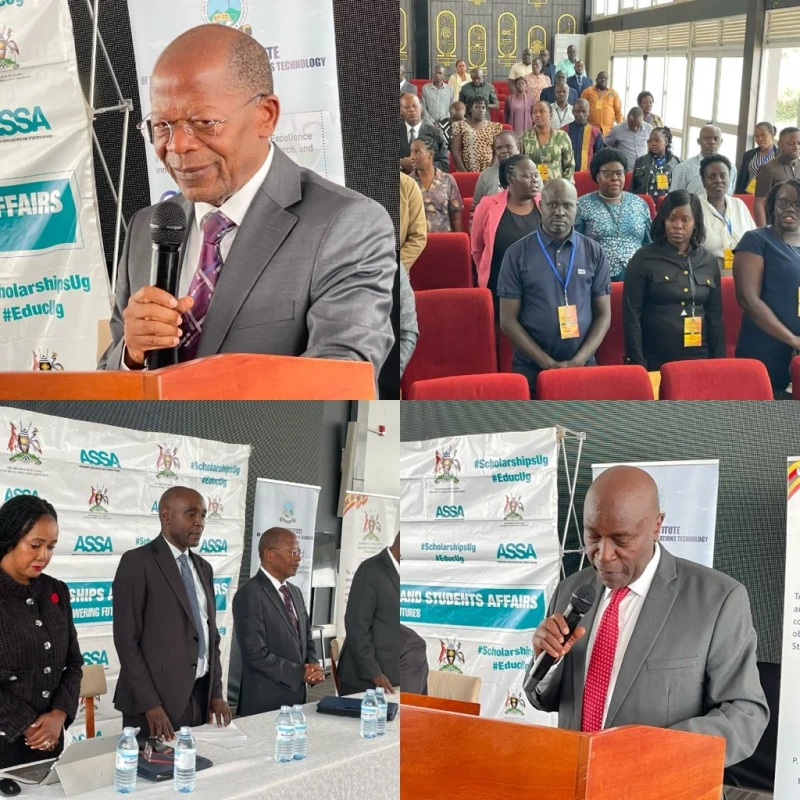
 The Acting Minister of Education and Sports, Hon. Dr. John Chrysestom Muyingo, has officially opened the 37th Joint Admissions Board (JAB) selection exercise for the 2026/2027 academic year.The selection exercise, which is being conducted at the Uganda Institute of Information and Communications Technology (UICT), brings together officials from the Ministry of Education and Sports, the Joint Admissions Board and representatives of more than 30 other tertiary institutions. The exercise is aimed at selecting eligible students for admission to other tertiary institutions under the Government sponsorship programme for the 2026/2027 academic year.According to the Commissioner in charge of Scholarships at the Ministry of Education and Sports, Hajji Muzamiru Mukwatampola about 35,000 students applied for Government sponsorship, with approximately 20,000 meeting the required eligibility criteria. However, he said the Government currently has about 3,000 available sponsorship slots, making the selection exercise critical in ensuring that the available opportunities are awarded to eligible and deserving students.The Commissioner for University Education, Timothy Ssejjoba, said the Government remains committed to expanding opportunities in tertiary and higher education institutions as part of its efforts to increase access to education and equip Ugandans with the skills required to contribute to national development. He noted that the Government continues to focus on expanding opportunities in technical and other tertiary institutions as Uganda works to strengthen education and skills development across the country.Michael Wanyama, Commissioner at the Higher Education Students Financing Board, explained the requirements for students seeking financial support through the Government’s student loan scheme, including those intending to pursue further studies.  The Chairperson of the Joint Admissions Board, Prof. Elly Katunguka Rwakishaya, commended the Government for its continued investment in education and for creating opportunities for Ugandan students to access tertiary and higher education.While officially opening the selection exercise, Acting Minister Muyingo urged members of the Joint Admissions Board to conduct the process with integrity, transparency and fairness.He cautioned officials against corruption and bribery, calling for the available Government-sponsored places to be awarded strictly to students who meet the required criteria.  Dr. Muyingo also urged heads of tertiary and higher education institutions to ensure that the current intake is properly managed and that institutions adhere to the laws, regulations and standards governing the education sector.He further called upon institutional leaders to ensure that students and staff understand and comply with the relevant regulations, while safeguarding Government infrastructure, buildings and equipment provided to support education and training.  In a message of appreciation, the Principal of Jinja Medical Laboratory Training Institute, Dr. Moses Ibwala, commended the Government of Uganda, under the leadership of President Yoweri Kaguta Museveni, for its continued efforts to expand access to education and improve the quality of learning across the country.Dr. Ibwala said Government programmes such as Universal Primary Education (UPE) and Universal Secondary Education (USE) had played an important role in expanding access to education for Ugandans.  He encouraged Ugandans to embrace the education opportunities provided by Government and take advantage of available programmes to acquire knowledge and skills.Dr. Ibwala also commended Acting Minister Muyingo for his accessibility and commitment to supporting education institutions whenever his intervention is required.  The 37th JAB selection exercise is part of the Government’s continued efforts, through the Ministry of Education and Sports, to expand access to tertiary and higher education and ensure that available sponsorship opportunities are allocated transparently and fairly to eligible students.

Minister Asiimwe Tours Makerere Faculties, Research Facilities to Strengthen Uganda’s Science and Innovation Agenda Education

Minister Asiimwe Tours Makerere Faculties, Research Facilities to Strengthen Uganda’s Science and Innovation Agenda

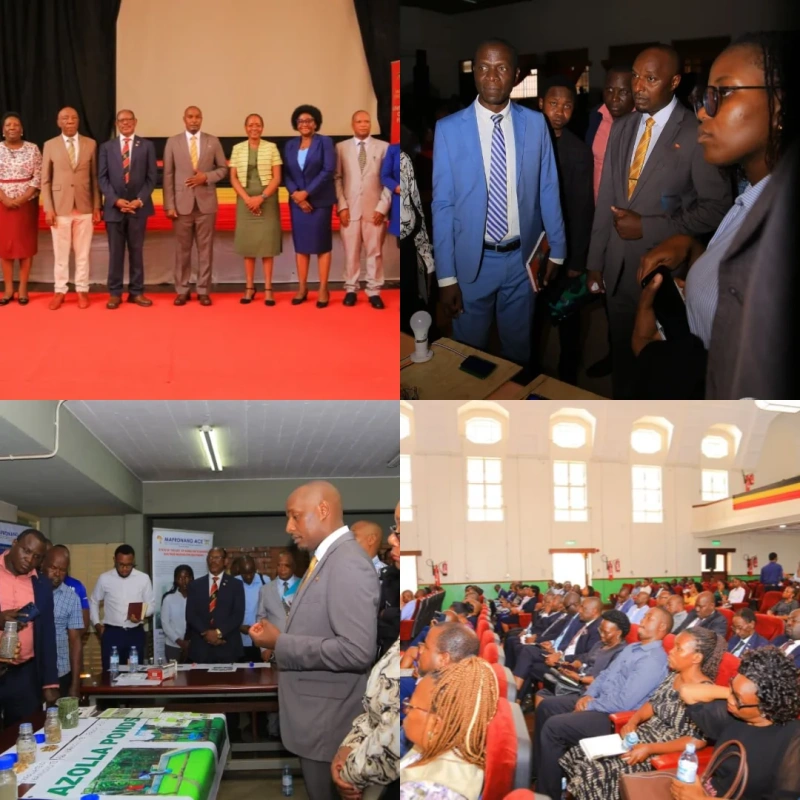
 The Minister for Science, Technology and Innovation, Hon. Eng. Jonard Asiimwe Akiiki, is undertaking a comprehensive two-day tour of faculties and research facilities at Makerere University, engaging faculty leaders, researchers, innovators and students on strengthening Uganda’s science, technology and innovation ecosystem.  During the tour, Minister Asiimwe is visiting different faculties and research facilities to understand ongoing research, assess innovation capacity, explore commercialization opportunities and discuss institutional priorities that can contribute to Uganda’s science-led development.  The engagements are also focusing on strengthening the journey from research to patents, commercially viable products, thriving enterprises and innovations that improve lives.At the different faculties, the Minister has held discussions with academic leaders, researchers, innovators and students on how research generated within universities can be better supported, protected and transformed into practical solutions and enterprises.Minister Asiimwe said the engagements are aimed at strengthening collaboration between Government, academia and industry so that universities can increasingly become engines of innovation, enterprise creation and industrial transformation.  “I am visiting faculties and research facilities across Makerere University, where I am engaging faculty leaders, researchers, innovators and students on strengthening Uganda’s science, technology and innovation ecosystem,” Minister Asiimwe said.He added that the country must strengthen the link between research and practical application by creating pathways that enable innovations to move from academic and research spaces into patents, commercially viable products and enterprises.  “These engagements are focused on understanding ongoing research, identifying opportunities for commercialization, and strengthening the journey from research to patents, commercially viable products, thriving enterprises and innovations that improve lives,” he said.The Minister’s engagement has also created an opportunity for the Ministry of Science, Technology and Innovation and Makerere University to discuss areas of collaboration in supporting research, innovation, technology transfer and commercialization.  Makerere University Vice Chancellor, Prof. Barnabas Nawangwe, welcomed the engagement, noting that stronger collaboration between Government, academia and industry is critical in ensuring that research and innovations generated at the university contribute to national development.Prof. Nawangwe emphasized Makerere University’s long-standing contribution to research and innovation, saying the university remains committed to strengthening the link between knowledge generation, innovation and solutions that respond to the needs of society.  Researchers and innovators at the university also used the engagement to showcase ongoing work and discuss some of the opportunities and challenges affecting research, innovation and commercialization.Students who interacted with the Minister said the engagement had provided them with an opportunity to directly share their experiences and ideas on research and innovation.One of the students said Government engagement with universities is important in helping students understand how their research and ideas can be developed into practical solutions.  “Many students have ideas and research projects, but we need mentorship, funding, access to facilities and opportunities to develop these ideas into practical innovations,” the student said.Another student involved in research and innovation said stronger collaboration between universities, Government and industry could help young innovators move beyond developing ideas to creating sustainable enterprises.“The Minister’s visit has shown us that research and innovation are not only about academic work. There is also a pathway towards patents, commercialization and creating businesses that can solve problems in our communities,” the student said.The engagement comes as Uganda continues to strengthen its transition towards a knowledge-based and innovation-driven economy.Minister Asiimwe reaffirmed his commitment to strengthening collaboration between Government, academia and industry so that universities can play a greater role in innovation, enterprise creation and industrial transformation.“I remain committed to strengthening collaboration between Government, academia and industry so that our universities become engines of innovation, enterprise creation and industrial transformation on Uganda’s journey towards a science-led, technology-driven and innovation-powered economy,” he said.

State House Anti-Corruption Unit Arrests Police Officer Over Shs2m Wetland Protection Bribe News

State House Anti-Corruption Unit Arrests Police Officer Over Shs2m Wetland Protection Bribe

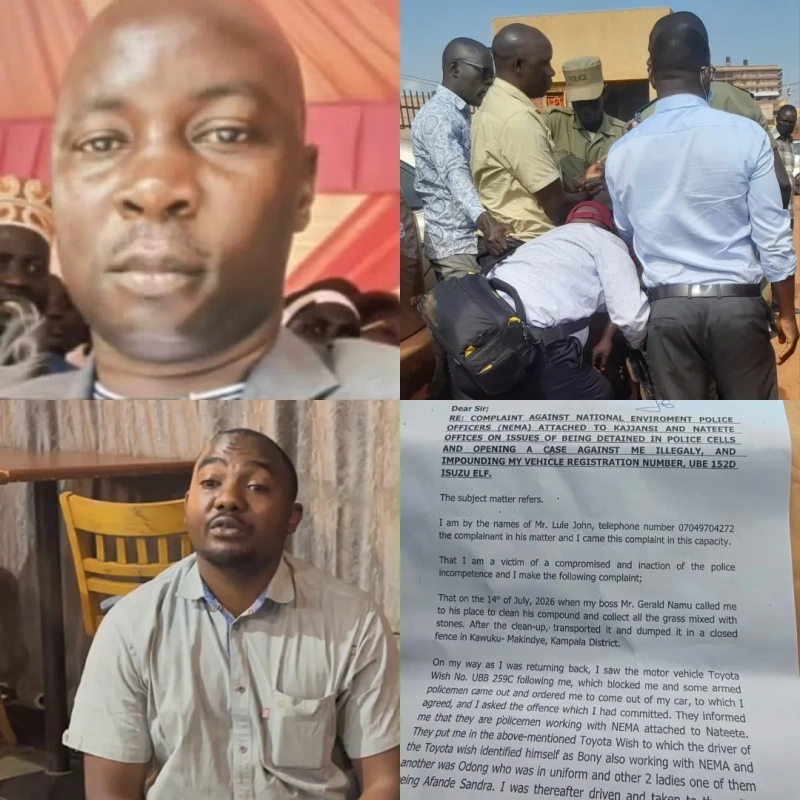
 The State House Anti-Corruption Unit has arrested a police officer attached to the National Environment Management Authority (NEMA) enforcement operations after he was allegedly caught receiving a Shs2 million bribe from a person accused of encroaching on wetlands. The arrest is part of a wider operation aimed at dismantling a suspected network of individuals accused of using their positions to facilitate wetland destruction, land grabbing and illegal developments along the Entebbe Road corridor.The arrested officer has been identified as Assistant Inspector of Police (AIP) Naserenga Elly, who had been deployed to carry out NEMA enforcement duties in areas including Kajansi Town Council, Katabi Town Council and surrounding areas. According to information available to the State House Anti-Corruption Unit, Naserenga was allegedly arrested after receiving Shs500,000 through mobile money and later arranging to receive an additional Shs1.5 million in cash.The operation followed a complaint by a driver, John Lule, who reported the alleged extortion to the State House Anti-Corruption Unit.The complaint was subsequently handled by the leadership of the Unit, headed by Brig Gen Henry Isoke, who intervened and coordinated the operation that led to the arrest of Naserenga at a police station.The officer is alleged to have demanded Shs5 million from a person who had been arrested over transporting sand. The suspect had reportedly been taken to Nateete Police Station and was allegedly threatened with being taken to Luzira Prison unless he paid the demanded money. The complainant is said to have paid Shs500,000 through mobile money, with the remaining Shs1.5 million allegedly arranged for payment in cash. The State House Anti-Corruption Unit then moved in, leading to the arrest of the officer as he allegedly received the balance.Other individuals suspected to be connected to the alleged activities are also being pursued. Among those reportedly being hunted are Rashid Kigwe and Nicholas Mugabe, who is alleged to have been deployed as a NEMA enforcement officer in Kajansi, Katabi and other areas.  Another suspect identified as Bonny is also being sought. He is alleged to have been posing as a police officer despite not being a serving police officer.The operation has also brought renewed attention to the growing environmental crisis along the Entebbe Road corridor, particularly in areas around Kajansi and Katabi. Motorists using the Entebbe Road have often witnessed water crossing the road and flooding surrounding areas. Authorities have increasingly linked the worsening flooding to the destruction and filling of wetlands, where soil is dumped to create artificial land for construction and other developments. The allegations under investigation suggest that some individuals entrusted with enforcing environmental laws may have abandoned their responsibility to protect wetlands and instead allegedly facilitated encroachment in exchange for bribes.In some cases, individuals are alleged to have allowed people to dump soil into wetland areas and occupy or subdivide the reclaimed land. The suspected scheme allegedly went beyond the collection of bribes, with some individuals accused of allowing prime wetland land to be taken over and later divided into plots that could be sold for large sums of money.  This has raised concerns that some officials were allegedly no longer protecting the environment but instead protecting land grabbers and wetland encroachers.The allegations further indicate that efforts by other enforcement officers to intervene were sometimes frustrated, with some individuals allegedly attempting to maintain control over areas where illegal activities were taking place. The arrest demonstrates the continued commitment of the State House Anti-Corruption Unit, under the leadership of Brig Gen Henry Isoke, to investigate and take action against public officials and other individuals accused of abusing their positions for personal gain.The Unit’s intervention followed a complaint from a member of the public, underscoring the importance of citizens reporting corruption and extortion.The operation also highlights the importance of cooperation between members of the public and anti-corruption agencies in exposing officials who allegedly use government positions to solicit bribes. NEMA Executive Director Dr Akankwasa Barirega has also been commended for supporting efforts to clean up the institution and ensure that officers entrusted with protecting Uganda’s environment carry out their duties professionally and without compromise.The latest arrests send a strong message that environmental enforcement officers are expected to protect wetlands and other natural resources—not facilitate their destruction.  As investigations continue, the State House Anti-Corruption Unit is pursuing other suspects believed to be connected to the alleged network, while efforts are also being made to strengthen enforcement against wetland encroachment and land grabbing.The joint efforts by the State House Anti-Corruption Unit and NEMA demonstrate the importance of combining anti-corruption enforcement with environmental protection.  By targeting officials who allegedly use their positions to facilitate wetland destruction, the authorities are not only fighting corruption but also protecting Uganda’s wetlands, preventing flooding and safeguarding land and natural resources for future generations.

President Museveni Sacks Six Engineers in Ministry of Works and Transport Over Alleged Corruption National

President Museveni Sacks Six Engineers in Ministry of Works and Transport Over Alleged Corruption

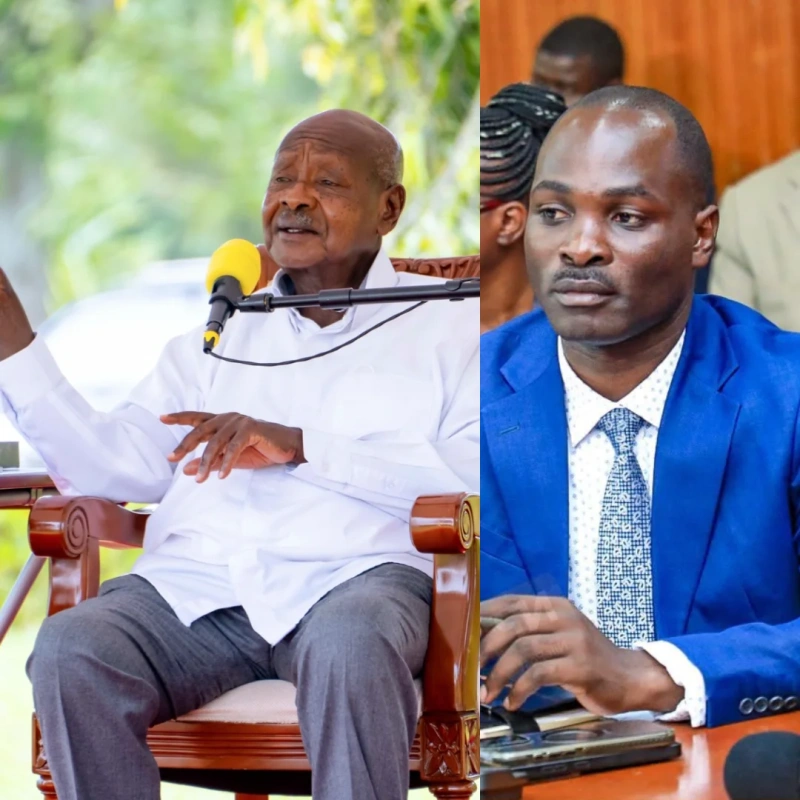
 President Yoweri Kaguta Museveni has sacked six engineers in the Ministry of Works and Transport over alleged corruption and mismanagement in the implementation of major national road projects, in a move that underscores government’s continued commitment to accountability and the fight against corruption.  The development was disclosed by the Minister of State for Works and Transport, Fred Byamukama, while appearing before Parliament’s Committee on Physical Infrastructure to respond to issues raised in the Auditor General’s report for the 2024/25 Financial Year. The committee, chaired by Mwine Mpaka, sought explanations over delays in several road projects, particularly the 23.7-kilometre Busega–Mpigi Expressway, which has faced implementation challenges, including land valuation issues.While responding to Members of Parliament, Byamukama revealed that as he was leaving his office for Parliament, he received communication informing him that President Museveni had sacked six engineers in the Ministry of Works and Transport over allegations relating to the Busega–Mpigi Expressway, the Mubende–Fort Portal Road, the Masaka–Mutukula Road and other infrastructure projects.  The minister said the government had already begun taking action against officials implicated in corruption, noting that investigations are ongoing, with several officers recording statements before the Inspectorate of Government, while other administrative measures have also been taken within the ministry. Byamukama welcomed the President’s intervention, saying the Ministry of Works and Transport will fully cooperate with investigative agencies and will not shield any public official found to have engaged in corruption.The revelation reportedly caused anxiety among some ministry officials who had accompanied the minister to Parliament, with several leaving the committee proceedings to seek clarification after the announcement.The identities of the six dismissed engineers had not been publicly disclosed by the time the committee concluded its sitting. The latest action follows President Museveni’s June 2026 directive ordering investigations into alleged financial mismanagement on the Busega–Mpigi Expressway project, reaffirming government’s determination to safeguard public resources, strengthen accountability and ensure timely delivery of national infrastructure projects.

NUP Chairperson in Zirobwe Praises President Museveni as PDM Transforms Family Through Poultry and Goat Farming National

NUP Chairperson in Zirobwe Praises President Museveni as PDM Transforms Family Through Poultry and Goat Farming

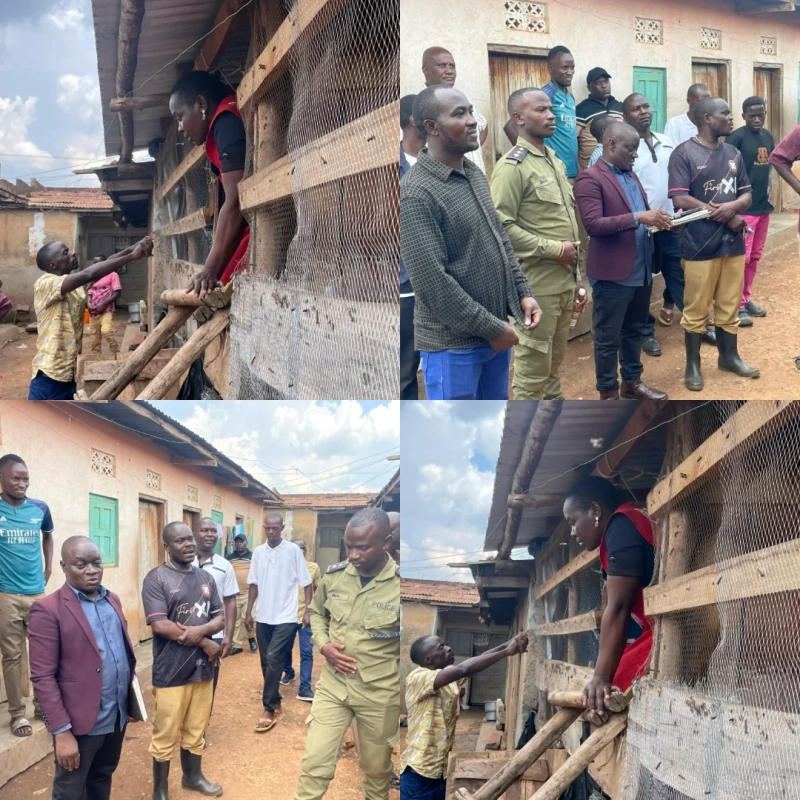
 A National Unity Platform (NUP) local leader in Zirobwe Town Council has applauded President Yoweri Kaguta Museveni for the Parish Development Model (PDM), saying the government programme has restored hope to his family despite his deteriorating health.The remarks were made during a Parish Development Model monitoring exercise led by the Office of the National Chairman (ONC) Regional Coordinator for Luweero Sub-region, Wasswa Abdulkarim Tamale, who was accompanied by Zirobwe Town Council leaders led by Mayor Abdulkarim Mubiru, security agencies, and local officials.  The team visited the home of Mr. Kalyowa Fredrick, the NUP Chairperson for Zirobwe Town Council, who received UGX 1 million under the Parish Development Model and invested the funds in a poultry and goat rearing enterprise.  During the visit, Mrs. Kalyowa explained that the project has become the family’s main source of income after her husband suffered a serious accident that left him using a wheelchair.She praised President Museveni for initiating the Parish Development Model, describing it as a well-designed programme that gives ordinary Ugandans an opportunity to rebuild their livelihoods through productive investment.  “Our family has greatly benefited from PDM. Since my husband became physically challenged after the accident, this project has helped us earn an income and meet our daily needs. We thank President Museveni for this life-changing programme,” she said.Mrs. Kalyowa also commended the Parish SACCO leadership for implementing the programme fairly without considering political affiliation.  “I appreciate our SACCO leaders for not mixing politics with development. They considered eligible beneficiaries regardless of their political beliefs, and that is how our family was able to benefit,” she added.Speaking during the monitoring exercise, ONC Regional Coordinator Wasswa Abdulkarim Tamale said the success of the Kalyowa family demonstrates that the Parish Development Model is a national development programme intended to uplift all Ugandans, irrespective of political differences.  He urged beneficiaries to invest the revolving funds in sustainable income-generating enterprises and encouraged communities to embrace government wealth creation programmes as a pathway out of poverty.Mayor Abdulkarim Mubiru welcomed the continued monitoring by ONC, saying it promotes accountability while inspiring more residents to utilise PDM funds responsibly.  Residents who witnessed the visit described the Kalyowa family’s progress as evidence that the programme is making a positive impact in communities where beneficiaries invest wisely. They called on more households to take advantage of government initiatives aimed at improving incomes and household welfare.The Parish Development Model remains one of the flagship wealth creation programmes of President Museveni’s government, with the goal of moving households from subsistence production into the money economy through access to affordable financing and enterprise development. Continuous monitoring by ONC and local leaders is intended to ensure the programme achieves its objective of improving livelihoods across the country.

PDM Success Story: Luweero Farmer Earns UGX 800,000 Monthly From Banana Plantation After Investing Parish Development Model Funds National

PDM Success Story: Luweero Farmer Earns UGX 800,000 Monthly From Banana Plantation After Investing Parish Development Model Funds

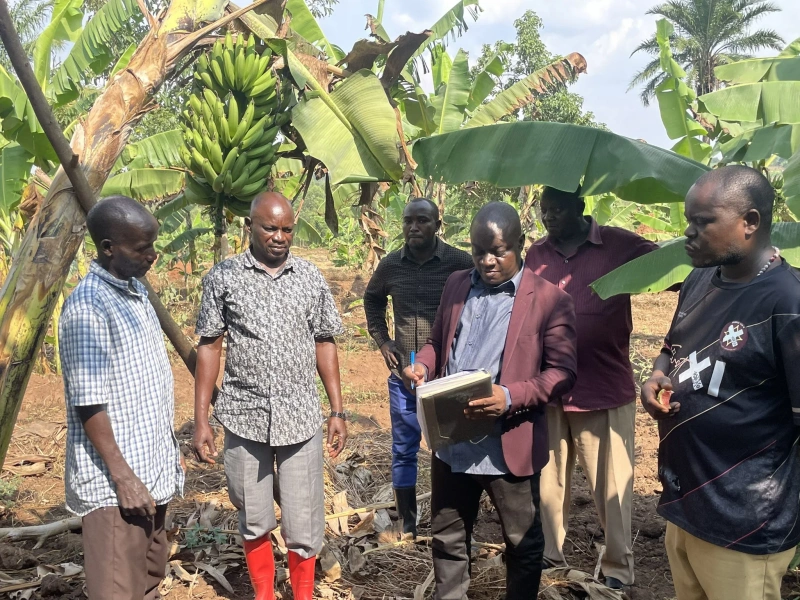
 A beneficiary of the Government’s Parish Development Model (PDM) in Luweero District has praised President Yoweri Kaguta Museveni and the National Resistance Movement (NRM) government for transforming his livelihood after wisely investing his UGX 1 million PDM funds into commercial banana farming.  The testimony was shared on Sunday during a Parish Development Model monitoring exercise conducted by the Office of the National Chairman (ONC) Regional Coordinator for Luweero Sub-region, Wasswa Abdulkarim Tamale, in Kasokoso LC1, Zirobwe Town Council.During the visit, Mr. Fred Senyonga showcased his thriving banana plantation, which he established using the UGX 1 million received under the PDM revolving fund. He revealed that the plantation now generates an average income of UGX 800,000 every month, enabling him to support his family and steadily improve his household income.  Tamale commended the beneficiary for demonstrating that the Parish Development Model can deliver tangible economic transformation when funds are invested productively rather than diverted to consumption.He encouraged more residents to embrace the government’s wealth creation programmes and use the funds for income-generating enterprises capable of lifting households out of poverty.“The President’s vision behind PDM is to move Ugandans from subsistence farming into the money economy. Success stories like Mr. Senyonga’s prove that the programme is working when beneficiaries remain disciplined and invest wisely,” Tamale said.The ONC Regional Coordinator also applauded the leadership of Hajjat Hadijah Namyalo Uzeiye, who heads the Office of the National Chairman, for complementing President Museveni’s efforts through continuous grassroots mobilisation, monitoring, and sensitisation to ensure government programmes reach ordinary wananchi.Speaking during the visit, Mr. Senyonga expressed gratitude to President Museveni and the NRM government for introducing the Parish Development Model. “I received UGX 1 million under PDM and invested every shilling in my banana plantation. Today I earn around UGX 800,000 every month. My appeal to fellow residents is simple—use the money for production because it can truly change your life. I thank President Museveni for thinking about ordinary Ugandans,” he said.Local leaders who attended the monitoring exercise described PDM as an important intervention that is beginning to produce visible results in communities where beneficiaries have embraced enterprise development.One village elder noted that many residents have been encouraged by Senyonga’s success and are now developing greater confidence in government wealth creation initiatives.Another community member said the beneficiary’s progress demonstrates that with proper mindset change, discipline and hard work, the programme can significantly improve household incomes.  The Parish Development Model remains one of the flagship socio-economic programmes of President Museveni’s government, designed to transition subsistence households into the money economy through parish-level planning, financial inclusion and enterprise development. Under the programme, qualifying beneficiaries access revolving funds to invest in agriculture, livestock, fisheries and other income-generating enterprises. Each parish receives funding through Parish SACCOs to support eligible households.

Tayebwa Meets EU Parliament Leadership in Brussels, Reaffirms Uganda–EU Strategic Partnership Global

Tayebwa Meets EU Parliament Leadership in Brussels, Reaffirms Uganda–EU Strategic Partnership

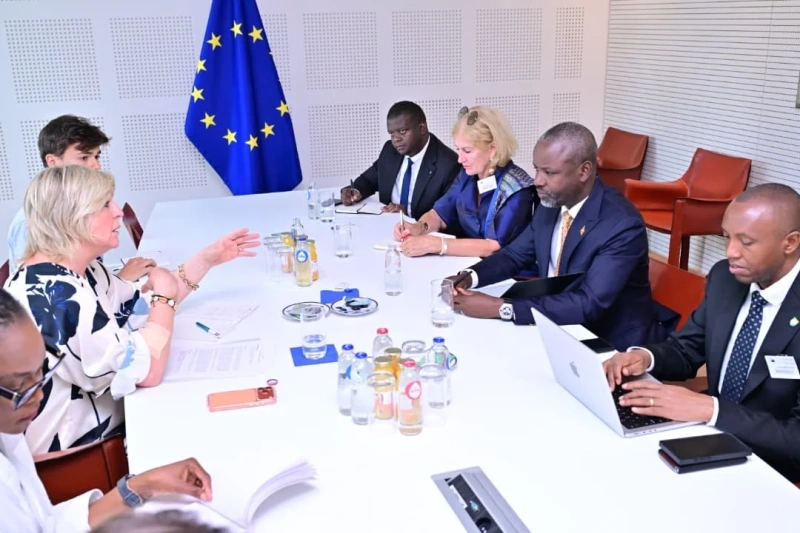
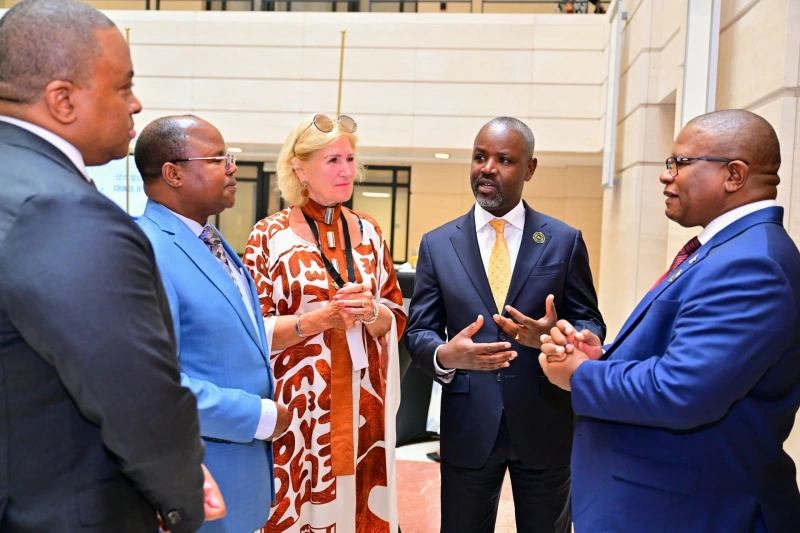
 BRUSSELS, BELGIUM – The Deputy Speaker of Parliament of Uganda and President of the Organisation of African, Caribbean and Pacific States (OACPS) Parliamentary Assembly, Rt. Hon. Thomas Tayebwa, has held high-level bilateral talks with Hon. Hilde Vautmans, Chair of the Africa–EU Parliamentary Assembly, at the European Parliament in Brussels.  The meeting focused on strengthening the long-standing partnership between Uganda and the European Union, while exploring areas of mutual interest aimed at promoting sustainable development, peace, and stronger parliamentary cooperation.Rt. Hon. Tayebwa was accompanied by Uganda’s Ambassador to the European Union, H.E. Mirjam Blaak, during the discussions. During the meeting, Tayebwa conveyed warm greetings from President Yoweri Kaguta Museveni, whom he described as a steadfast advocate for global peace and stability. He also extended an invitation to Hon. Vautmans to visit Uganda, the Pearl of Africa, to further deepen cooperation and strengthen strategic partnerships between Uganda and the European Union.  Tayebwa highlighted Uganda’s governance journey and reaffirmed the country’s commitment to regional peace and security. He underscored Uganda’s significant contribution to supporting efforts against the Ebola outbreak in the Democratic Republic of Congo and its continued role in promoting dialogue as a means of resolving conflicts across the region. He noted that Uganda remains committed to working with international partners to advance peace, stability, and socio-economic transformation.Speaking after the meeting, Tayebwa praised the enduring relationship between Uganda and the European Union, describing it as one built on trust, mutual respect, and shared development goals. “The European Union has proved to be a very reliable partner for Uganda over the last 50 years, and with the Samoa Agreement realigning our relationship from aid to partnership, I only see this relationship growing stronger and stronger with a clear impact on our people,” Tayebwa said.The meeting comes as Uganda and the European Union continue to strengthen cooperation under the Samoa Agreement, which seeks to promote a modern partnership focused on sustainable development, trade, investment, peace, security, climate action, and inclusive economic growth.The bilateral engagement is expected to further enhance parliamentary diplomacy and reinforce Uganda’s commitment to building stronger international partnerships that deliver tangible benefits to citizens while contributing to peace and stability across Africa and beyond.

Government Suspends All School Trips, Introduces Tough New Safety Measures After Kapchorwa Bus Tragedy National

Government Suspends All School Trips, Introduces Tough New Safety Measures After Kapchorwa Bus Tragedy

 Kampala, Uganda – July 17, 2026The Acting Minister of Education and Sports, Hon. Dr. John Chrysostom Muyingo, has announced the immediate suspension of all school study trips and educational tours involving group travel by road following the tragic school bus accident involving learners of King David Junior School, Ndejje, in Kapchorwa District. Dr. Muyingo made the announcement while presenting a Joint Government Statement on behalf of Government, saying the decision is intended to protect learners and prevent a recurrence of such a tragedy as Government strengthens safety standards for school transport.Government described the accident as a heartbreaking national tragedy that claimed the lives of learners and members of staff, while leaving several others injured and receiving treatment.The Acting Minister conveyed Government’s heartfelt condolences to the bereaved families and wished the injured learners a speedy recovery. He said Government has already mobilised medical care for survivors, psychosocial support for learners, teachers and families, as well as assistance with burial arrangements. With immediate effect, all study trips and educational tours involving group travel by road, whether within Uganda or outside the country, have been suspended until further notice.Schools currently on educational trips have been directed to report to the nearest Uganda Police Station to facilitate their safe return, with the Uganda Police Force coordinating the exercise across the country.  Dr. Muyingo also announced a number of new measures to strengthen learner safety during school travel. Every driver transporting learners must be cleared by the Ministry of Works and Transport, while all Public Service Vehicle drivers must carry an official government-issued badge. In addition, every vehicle transporting learners must undergo a mechanical inspection before departure and obtain a roadworthiness clearance certificate issued by the Ministry of Works and Transport, the Inspectorate of Vehicles, regional inspection stations or the Uganda Police Traffic Directorate.No school trip will be permitted without prior approval from the respective District Education Officer. Government also plans to standardise school transport by requiring vehicles carrying learners—from nursery schools to universities—to be painted yellow to improve visibility and road safety.An Inter-Ministerial Committee has been established to develop additional licensing regulations for vehicles transporting children, while enforcement will be undertaken by the Ministry of Works and Transport in collaboration with the Uganda Police Force’s Directorate of Traffic. The Joint Government Statement was also delivered by the Minister of ICT and National Guidance, Rt. Hon. Justine Kasule Lumumba, the Minister of State for Transport, Hon. Julius Maganda, and the Minister of State for Gender, Labour and Social Development (Youth and Children Affairs), Hon. Dr. Mercy Faith Lakisa Clakisa.  Dr. Muyingo reaffirmed the Ministry of Education and Sports’ commitment to ensuring the safety and well-being of every learner, saying the new measures are aimed at restoring confidence in school transport while safeguarding children’s lives.

Tayebwa Urges OACPS to Champion Value Addition and End Raw Mineral Exports. Global

Tayebwa Urges OACPS to Champion Value Addition and End Raw Mineral Exports.

Brussels, Belgium. Uganda's Deputy Speaker of Parliament and President of the Organisation of African, Caribbean and Pacific States (OACPS) Parliamentary Assembly, Thomas Tayebwa, has urged OACPS member states to make trade, industrialisation and value addition central to their development agenda. Tayebwa made the remarks while addressing the 121ST OACPS Council of Ministers at the Egmont Palace in Brussels.He challenged the 79-member bloc to focus on practical economic issues that directly improve the livelihoods of citizens, saying the organisation's relevance would increasingly be judged by its ability to champion policies that create jobs, strengthen regional industries and enable member states to derive greater value from their natural resources. Tayebwa said one of the most pressing challenges confronting Africa and other developing regions is the continued export of unprocessed minerals.He noted that the matter has long been championed by President Yoweri Kaguta Museveni, who has consistently argued that Africa cannot achieve meaningful prosperity while exporting raw materials and importing finished products. "I think at the level of the Council of Ministers, we need to start tackling the hard questions relevant to our people. One of them is... the issue of Africa and the developing world exporting unprocessed minerals as raw materials," Tayebwa said.  He backed his argument with figures showing that Africa holds an estimated US$29.5 trillion in mineral wealth, about 20 percent of the global total, but continues to lose substantial economic value because most of its minerals leave the continent in raw or minimally processed form. Instead of refining or manufacturing higher-value products locally, African countries export ores and concentrates, allowing other economies to capture the largest share of the value chain. According to Tayebwa, this model has left Africa exporting employment opportunities and industrial growth alongside its natural resources. He observed that the continent processes only a small proportion of the minerals it produces, while countries that import those minerals generate far greater wealth through manufacturing.  He cited the Democratic Republic of Congo as an example of how value addition can transform economies, noting that increased domestic processing of cobalt significantly boosted the country's revenues. He said such experiences should encourage OACPS member states to adopt deliberate policies that promote mineral beneficiation and industrialisation across the bloc. Tayebwa also revisited one of President Museveni's longstanding examples on the coffee value chain to illustrate how commodity-producing countries receive only a fraction of the wealth generated from the products they produce. The example, he said, demonstrates why African countries must move beyond exporting raw commodities and instead invest in processing and manufacturing industries that retain value at home."I remember my President gave us some feedback... the coffee market was worth around US$465 billion and out of that only US$25 billion was going to the coffee-producing countries, with Africa taking only 3%. Now, you producers, you produce US$465 billion worth of value and get only US$25 billion," he said. Tayebwa warned the OACPS Council of Ministers that unless the bloc redefines its priorities by focusing on issues that matter most to ordinary citizens, it risks losing its relevance."If we don't tackle such issues, then the organisation will not be relevant to our people... We should look at topics that do speak to the hearts of our people, that do speak to the transformation of our people. That's the only way the organisation will be relevant," he said.The OACPS brings together countries from Africa, the Caribbean and the Pacific to promote cooperation on trade, sustainable development and political dialogue.  Tayebwa said the organisation should use its collective voice to champion policies that promote value addition, industrialisation and regional integration, enabling member states to create jobs, increase revenues and accelerate economic transformation.

Kisanja No More Sleep: Minister Balaam Conducts 3:00 a.m. Surprise Inspection at Busiu Health Centre IV Featured

Kisanja No More Sleep: Minister Balaam Conducts 3:00 a.m. Surprise Inspection at Busiu Health Centre IV

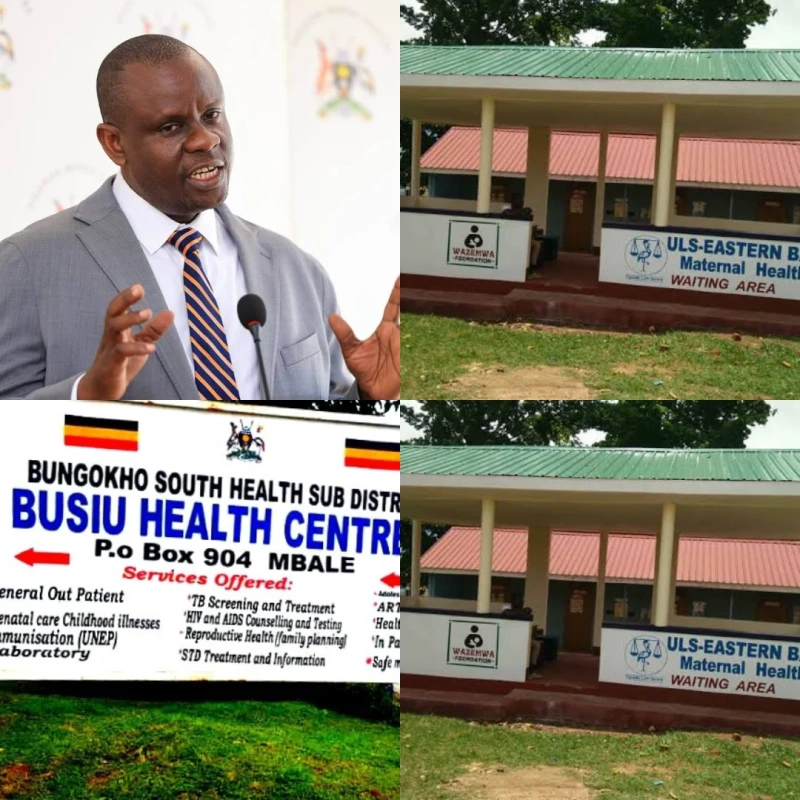
 The Minister of Local Government, Hon. Barugahara Balaam Ateenyi, has reaffirmed the government’s commitment to improving public service delivery after conducting an unannounced inspection at Busiu Health Centre IV in Mbale District in the early hours of the morning.  The surprise inspection, carried out at around 3:00 a.m., formed part of the minister’s ongoing efforts to ensure accountability, efficiency, and quality service delivery in public health facilities under the government’s “Kisanja No More Sleep” initiative.Hon. Balaam was accompanied by the Regional Internal Security Officer (RISO), officers from the Criminal Investigations Directorate (CID), and the State House Anti-Corruption Unit. During the inspection, the minister commended the health workers who were found on duty, praising their commitment to serving Ugandans despite the challenges they face.He specifically recognized Dr. Mawumbe Bernard, Dr. Balayo Isa Mustafa, midwives, nurses, and the entire medical team at Busiu Health Centre IV for their dedication to saving lives and ensuring patients receive medical care around the clock.The inspection also highlighted significant challenges facing the health facility, which is the largest government health centre in Mbale District.  According to the minister, Busiu Health Centre IV is overwhelmed by the rapidly increasing number of patients seeking healthcare services.He noted that the facility urgently requires expansion, recruitment of additional health workers, and increased medical equipment to improve service delivery and adequately respond to the healthcare needs of the surrounding communities. Hon. Balaam emphasized that access to quality healthcare is a constitutional right for every Ugandan and assured residents that the Ministry of Local Government will work closely with the Ministry of Health and other relevant government agencies to ensure the facility receives the necessary support.The minister reiterated that improving public services remains a key priority of the government and pledged continued collaboration among institutions to strengthen healthcare delivery across the country. He also issued a strong warning to public officers who neglect their responsibilities or misuse public resources, saying surprise inspections will continue across government institutions to promote accountability and ensure taxpayers receive value for money.At the same time, he applauded public servants who continue to serve with professionalism and integrity, describing them as essential partners in delivering people-centred government services.The early morning inspection underscores the government’s renewed focus on monitoring service delivery at the grassroots, strengthening transparency, and ensuring that every Ugandan has access to efficient, accountable, and high-quality public services. Under the “Kisanja No More Sleep” approach, leaders are expected to remain actively engaged in supervising government programmes and ensuring public institutions serve citizens effectively.

© Copyright 2026, All Rights Reserved