Ssemaganda Moses Hope

Ssemaganda Moses Hope

Journalist at Kampala Media TV

849 published articles


Articles by Ssemaganda Moses Hope

Showing 56-66 of 849 articles
Hon Zambaali Demands Fire Engines for Nansana After Ivory Hotel Inferno Happening Kati

Hon Zambaali Demands Fire Engines for Nansana After Ivory Hotel Inferno

 NANSANA — Nansana Municipality MP Hon. Zambaali Bulasio Mukasa has called on the government to urgently provide fire-fighting vehicles in Nansana and other growing urban centres across the country, warning that delays in responding to fires continue to expose lives, businesses and property to devastating losses.Hon. Zambaali made the appeal while visiting Ivory Hotel in Nansana, which was gutted by fire in the early hours of Tuesday, October 20, 2026. The legislator visited the affected premises to assess the damage, sympathise with the hotel’s management and those affected, and express concern over the destruction of valuable property.The fire at Ivory Hotel has once again raised questions about the preparedness of rapidly expanding urban centres to respond to emergencies, particularly in areas where businesses, residential buildings and other commercial establishments are increasingly concentrated.Hon. Zambaali said equipping municipalities with strategically positioned fire engines would significantly improve emergency response and help contain fires before they spread and cause extensive damage.He argued that Nansana, given its growing population and expanding commercial activities, requires a reliable and readily available fire-fighting service capable of responding promptly whenever emergencies arise.The legislator urged the government to prioritise fire-fighting infrastructure as part of its broader urban development and public safety agenda, emphasising that timely intervention can make the difference between a manageable incident and a major disaster.He noted that having fire engines within municipalities would reduce the time required to respond to emergencies, potentially saving lives and protecting businesses from losses that can undermine livelihoods and economic activity.Hon. Zambaali also expressed concern over persistent electricity interruptions, criticising the Uganda Electricity Distribution Company Limited (UEDCL) over what he described as frequent power disruptions that inconvenience consumers and put their property at risk.  He called on the electricity distributor to address the recurring outages and improve the reliability of power supply, urging the responsible authorities to ensure that consumers receive dependable services.According to preliminary findings attributed to police, the Ivory Hotel fire is suspected to have been triggered by an electrical fault following the restoration of power after an interruption. The hotel management also attributed the incident to an electricity supply problem, with the hotel’s manager, Andrew Kayiwa, calling on UEDCL to address the issue to prevent similar incidents.  The circumstances surrounding the fire underscore the importance of investigating electrical incidents thoroughly and strengthening preventive measures to protect commercial premises and other properties.Former Nansana Division Mayor Joseph Matovu, Wakiso District Councillor Hakimu Ssemujja and the Buganda Kingdom’s Mutuba Two official responsible for arts and sports, Kabiito Tonny, also visited the hotel to sympathise with the management following the incident.During the visit, the leaders criticised the government’s failure to implement a previous proposal by former mayor Joseph Matovu to secure fire-fighting vehicles for Nansana Municipality, arguing that such equipment would strengthen the area’s capacity to respond to emergencies.  The leaders said the incident highlights the urgent need for practical interventions to improve disaster preparedness in Nansana and other rapidly developing urban areas.For Hon. Zambaali, the Ivory Hotel fire is a reminder that urban growth must be matched with adequate emergency services, dependable electricity infrastructure and stronger safety measures.He maintained that providing fire engines to municipalities should be treated as an essential public safety priority rather than a secondary consideration, given the potentially devastating consequences of delayed emergency responses.  As investigations into the cause of the fire continue, the legislator’s appeal has renewed attention on the need for coordinated action by the government, electricity authorities and local leaders to prevent avoidable losses and protect communities.

BREAKING NEWS: Hon Tebandeke Moves to End Noisy Voice Voting in Parliament, Pushes Electronic Voting Reforms Featured

BREAKING NEWS: Hon Tebandeke Moves to End Noisy Voice Voting in Parliament, Pushes Electronic Voting Reforms

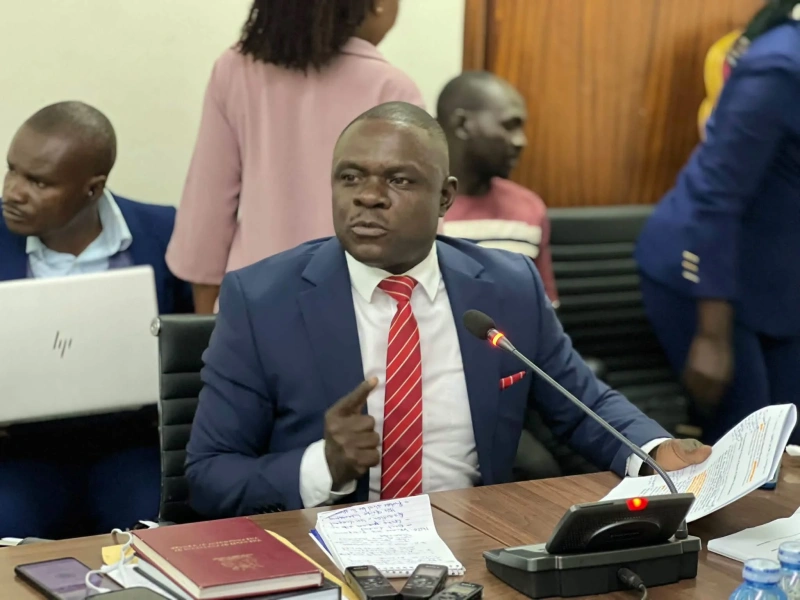
 Bbaale County Member of Parliament Hon. Charles Tebandeke has proposed sweeping reforms to Parliament’s voting procedures, calling for an end to voice voting on substantive matters and the introduction of electronic voting systems that clearly record how each legislator votes.The proposal was presented to Parliament’s Committee on Rules, Privileges and Discipline during a meeting today, October 19, 2026, where the legislator called for amendments to the Rules of Procedure to strengthen transparency, accountability and democratic participation in parliamentary decision-making.Hon. Tebandeke wants Rules 102(2)(a) and 103 amended to make electronic voting the standard procedure for deciding Bills, motions and other substantive matters affecting Ugandans. Under his proposal, each MP’s name and vote would be displayed on a public screen and captured in the parliamentary Hansard.  He further proposes that roll-call voting and division be used whenever the electronic voting system is unavailable, while secret ballots would apply to specified matters, including elections of the Speaker and Deputy Speaker, parliamentary commissioners and certain decisions involving conscience. Hon. Tebandeke argues that the existing voice-voting system, in which MPs shout “Aye” or “Nay” before the Speaker declares the outcome, makes it difficult to establish the exact number of members supporting or opposing a motion, particularly in a Parliament with more than 500 legislators.He says replacing voice voting on substantive matters with verifiable voting would reduce disputes over parliamentary decisions and enable Ugandans to know how their elected representatives vote on important legislation and national issues. The MP also argues that recording individual votes would strengthen accountability by allowing constituents to assess the positions taken by their representatives. He maintains that Parliament’s decisions should be based on clear, verifiable records rather than the volume of voices heard in the chamber.In addition to the proposed voting reforms, Hon. Tebandeke is seeking amendments to Rules 7 and 8, which govern the Speaker’s authority to maintain order, interpret parliamentary rules and make decisions on matters where the existing rules do not provide specific guidance. He proposes clearer limits on the exercise of the Speaker’s discretionary powers, as well as an appeal mechanism through the Committee on Rules, Privileges and Discipline for members aggrieved by certain decisions. His proposed amendments also provide for timelines within which the committee should consider appeals and review interpretations of parliamentary rules.Hon. Tebandeke has further proposed changes to Rule 56 to broaden the scope of matters MPs can raise as urgent public concerns. Under his proposal, legislators would be allowed to raise matters of public importance, national importance or urgent constituency concern where these have implications for governance, human rights, accountability or service delivery. He also wants the Speaker to provide brief written reasons when permission to raise such a matter is denied, while proposing dedicated parliamentary time for these statements and a requirement for the responsible minister to respond within 14 days where an immediate response is not provided.The legislator says the proposed amendments are intended to make Parliament more transparent, strengthen the accountability of its leadership and members, and improve opportunities for representatives to raise concerns affecting the public.  Hon. Tebandeke has asked the committee to initiate the process of amending the relevant rules, invite public memoranda and present the proposed changes to Parliament for consideration and approval.The proposals are subject to consideration by the committee and the parliamentary approval process. If adopted, the proposed voting reforms would change how substantive parliamentary decisions are recorded, making individual voting positions more readily accessible to the public.

Victoria University 10th Graduation: Opuda-Asibo Urges AI Integration Across All Academic Programmes Featured

Victoria University 10th Graduation: Opuda-Asibo Urges AI Integration Across All Academic Programmes

 By Mutuunzi SaulVictoria University Chancellor Prof. John Opuda-Asibo has called on universities across Uganda to integrate Artificial Intelligence (AI) into all academic programmes, warning that institutions must continuously adapt their curricula to keep pace with rapidly changing technologies and emerging fields of study.  Speaking at the university’s 10th graduation ceremony held at Speke Resort Munyonyo, Prof. Opuda-Asibo said higher education institutions needed to embrace continuous curriculum reviews to equip graduates with relevant knowledge and skills for the changing world.  He noted that new fields of study were emerging every day, requiring universities to rethink how they prepare students for the job market and the demands of modern society.The Chancellor highlighted the importance of statistics in several disciplines, including actuarial science, transport and insurance, biosciences such as medicine, public health, pharmacy, agriculture and biotechnology, as well as physical sciences covering physics, automation, geology and climate computation.  He challenged universities to clearly define the levels of Artificial Intelligence they teach, noting that AI encompasses both basic and advanced applications that require appropriate academic preparation.Prof. Opuda-Asibo further urged institutions to incorporate the study of AI into their curricula, including its benefits, limitations and ethical implications, to ensure graduates understand both its opportunities and potential risks.  Addressing the graduates, he encouraged them to protect and value their education, describing knowledge as a source of independence, competitiveness and the ability to understand and navigate their environment.He urged them to develop a culture of critical thinking, continuous learning and personal responsibility, emphasising the importance of questioning information, reviewing their knowledge and taking responsibility for what they say and write. Supporting the Chancellor’s call, Victoria University Vice Chancellor Dr. Lawrence Muganga warned that Uganda risks falling behind in the global Artificial Intelligence revolution unless deliberate measures are taken to prepare learners for the emerging digital economy.Dr. Muganga called on the government to introduce a nationwide One Laptop Per Child policy, proposing that every learner from Primary Five through university, including students in Technical and Vocational Education and Training (TVET) institutions, should be equipped with a laptop.  He argued that access to digital devices and AI-driven learning would be essential if Uganda is to achieve its Tenfold Growth Strategy target of building a $500 billion economy by 2040.According to Dr. Muganga, Artificial Intelligence is already transforming education, business and employment, making digital preparedness an urgent priority for the country.He compared the AI revolution to an iceberg that had already struck Uganda’s and Africa’s ship, warning that the continent must respond decisively to avoid being left behind by technological advancements.  To address barriers to digital access, he proposed the use of solar-powered laptops and satellite internet connectivity, particularly in underserved communities where access to electricity and reliable internet remains a challenge.Dr. Muganga said the proposed initiative was achievable if the government made the necessary policy decisions and committed resources to expanding access to technology in education.He also revealed that Victoria University had integrated AI across all its academic programmes, saying the approach was intended to prepare students not merely to pass examinations but also to live, work and thrive in an increasingly technology-driven world. On the university’s growth, Dr. Muganga said student enrolment had increased from 180 in 2020 to 16,000 currently, while the number of graduates had risen from 48 in 2021 to 2,600 this year.He attributed the growth to the institution’s development and expansion of its academic programmes, adding that further investment in infrastructure was planned to support its ambitions.Dr. Muganga announced that construction of a new Victoria University campus in Naguru, which will include a teaching hospital to support the institution’s new medical school, is scheduled to begin in January 2027.The proposed development is expected to expand the university’s training capacity in medical education and provide facilities to support practical learning.  The calls by the Chancellor and Vice Chancellor place Artificial Intelligence, digital access and curriculum reform at the centre of discussions about the future of higher education in Uganda, as universities seek to prepare graduates for changing workplace demands and emerging technologies.

ANTI-CORRUPTION COURT CONVICTS KAVUUMA IBRAHIM OVER UGX 740 MILLION PROPERTY FRAUD Exposed

ANTI-CORRUPTION COURT CONVICTS KAVUUMA IBRAHIM OVER UGX 740 MILLION PROPERTY FRAUD

 The Anti-Corruption Court has convicted and sentenced Kavuuma Ibrahim to three and a half years in prison for his role in a property fraud scheme through which he and his accomplices obtained USD 205,556, equivalent to approximately UGX 740 million, from a victim using falsified property documents.  In addition to the prison sentence, the court ordered Kavuuma to refund UGX 70 million to the victim. It also ordered the forfeiture of UGX 8,004,700, USD 2,000 and a motor vehicle recovered from him during his arrest, with the assets intended to contribute towards compensating the victim.The case stems from an incident on July 15, 2025, when Kavuuma and his accomplices, who remain at large, allegedly used forged documents, including a certificate of title, sale agreements and transfer forms, to misrepresent ownership of a property and deceive the victim into believing that Kavuuma was its legitimate owner.  Relying on the falsified documents, the victim was deceived into parting with USD 205,556, valued at approximately UGX 740 million.Kavuuma was subsequently arrested by the State House Anti-Corruption Unit (@AntiGraft_SH) and charged with forgery, uttering false documents, obtaining money by false pretence and money laundering.  The conviction and sentence mark a significant development in the prosecution of the property fraud case, while efforts to account for Kavuuma’s accomplices, who remain at large, are still pending.

Minister Muyingo Urges School Founders to Build on Their Foundations as JOY School Celebrates 25 Years of Transforming Lives Events

Minister Muyingo Urges School Founders to Build on Their Foundations as JOY School Celebrates 25 Years of Transforming Lives

 Acting Minister of Education and Sports Hon. Dr JC Muyingo has urged school founders who are still struggling to establish their institutions to remain committed to the foundations they have laid, drawing inspiration from the 25-year journey of JOY Nursery and Primary School in Kakoni, Luweero District.Dr Muyingo, who was represented at the celebrations by his Personal Assistant, Wasswa Abdulkarim Tamale, commended school proprietors who have persevered through financial difficulties and other challenges to keep their institutions running, noting that building a successful school requires patience, sacrifice, commitment and a clear vision.He encouraged struggling school founders to learn from Pastor Lameck Ssemwanga, the Director of JOY Nursery and Primary School, whose determination to provide Christian-based education has seen the institution grow from a humble beginning into an established school serving hundreds of learners.Dr Muyingo made the remarks on Saturday, October 17, 2026, during celebrations marking JOY Nursery and Primary School’s Silver Jubilee, commemorating 25 years of its contribution to education.The Minister’s message highlighted the importance of remaining faithful to the original vision of an institution while steadily investing in its growth, infrastructure, academic standards and the future of learners.As part of his support for the school community, Dr Muyingo offered sponsorship for two outstanding Primary Seven candidates to continue with their education. He also pledged support to a teacher who has been instrumental in identifying and nurturing learners’ talents, enabling the teacher to pursue further studies.The Minister further contributed Shs1.5 million to Kakoni Deliverance Church and Shs1.5 million to Busoke Deliverance Church. He also pledged support towards school fees for two children at Mpigi Secondary School.Pastor Ssemwanga expressed appreciation to Dr Muyingo for his continued support to the school and the surrounding community, particularly his contribution to the education and advancement of learners who have passed through JOY. In his address, Pastor Ssemwanga reflected on the journey that began in 2001 with a single nursery class and a determination to provide quality education grounded in Christian values and good morals.The school expanded gradually, introducing one class at a time until it developed into a full primary school. This deliberate approach enabled the founders to manage the costs of infrastructure development and recruitment of teachers without placing excessive financial pressure on the institution.The early years were challenging. According to Pastor Ssemwanga, school fees collected during the first three years were insufficient to pay the five teachers who were then serving at the institution. He therefore relied on additional resources from other sources to supplement their salaries and keep the school operating.  Despite the difficulties, the founders, teachers and parents remained committed to the vision. Their determination laid the foundation for the institution’s gradual transformation over the past quarter-century.Pastor Ssemwanga acknowledged the contribution of his wife, Lydia, who encouraged him when he first shared the vision of establishing the school and later joined him in the work. He also recognised the support of the church, early teachers, parents and community members whose contributions helped the institution grow from its humble beginnings.  The school’s first pupils included a child entrusted to Pastor Ssemwanga by a parent who believed in his vision, alongside three children from his own household, bringing the initial enrolment to just four learners.Today, that small beginning has developed into an institution with 14 classrooms, an enrolment of more than 400 learners, a boarding section for boys and girls, a borehole and water storage tanks, electricity and a standby generator.  Located on four acres of land, the school has 16 teachers and 11 support staff. It is registered with the Ministry of Education and Sports and serves as a Uganda National Examinations Board examination centre.The journey illustrates how a school can grow through gradual investment, community participation and sustained commitment to its founding purpose.Pastor Ssemwanga also recognised Dr Muyingo for his visits and support over the years, particularly his role in helping outstanding learners from JOY access opportunities in good secondary schools and higher institutions of learning. Some of these former pupils have since developed into professionals contributing to different sectors of the country.  Looking ahead, the school plans to construct a storeyed building to accommodate its anticipated growth, expand its computer laboratory to 30 computers, strengthen vocational skills development and promote agriculture to equip learners with practical knowledge.The school also intends to intensify talent identification and development, recognising that education should prepare children academically while helping them discover and develop their abilities.Madam Naluja Shadia, Director of Unique Junior School in Kakoni, urged parents to take a more active role in supporting their children’s education and nurturing their talents.  She commended school founders for their perseverance and dedication to educating children, acknowledging the contribution of Pastor Ssemwanga and his wife to the community.Madam Naluja also expressed appreciation for the education her son, Gwanga, is receiving at JOY Nursery and Primary School and contributed five bags of cement to support infrastructure development at the institution.Her contribution reflected the importance of cooperation among school founders and the willingness of education stakeholders to support one another in improving learning environments for children.  The Silver Jubilee celebrations also highlighted the role of churches, parents, teachers, local leaders and other community members in sustaining educational institutions, particularly during their formative years when resources are often limited. As JOY Nursery and Primary School celebrates 25 years, its journey offers an important lesson to emerging school founders: lasting institutions are not built overnight, but through a clear vision, prudent planning, sacrifice and the determination to keep moving forward despite challenges.

Minister Muyingo Warns Parents Against Neglecting Children’s Education, Commends Those Who Sacrifice Events

Minister Muyingo Warns Parents Against Neglecting Children’s Education, Commends Those Who Sacrifice

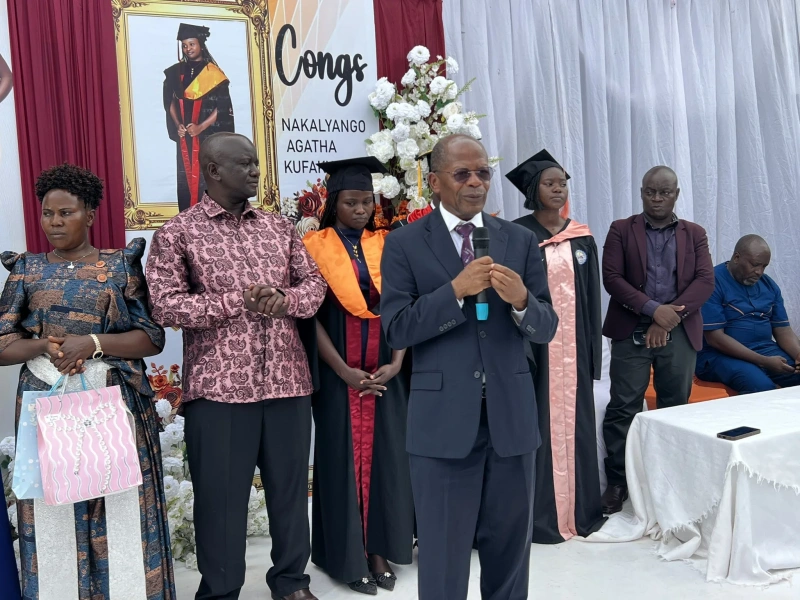
 KALAGALA, LUWEERO DISTRICT — The Acting Minister of Education and Sports, Hon. Dr. JC Muyingo, has warned parents who neglect their children’s education, saying they risk facing difficult consequences in the future for failing to fulfil their God-given responsibility of preparing their children for a better life.Dr. Muyingo urged parents to prioritise education and make deliberate sacrifices to ensure their children acquire the knowledge and skills necessary to become responsible citizens, achieve financial independence and contribute to national development.  He made the remarks at Kalagala Main Village in Luweero District, at the home of Mr. and Mrs. Lubowa, during a celebration organised to honour their daughter, Nakalyango Agatha, who graduated from Ndejje University with a qualification in Journalism and Mass Communication.The minister commended parents who endure financial difficulties and make personal sacrifices to keep their children in school, describing their commitment as an investment that benefits individual families and the wider community.  He emphasised that parents should not abandon their children’s educational ambitions because of temporary challenges, urging them to explore available opportunities and work with leaders and other stakeholders to ensure their children complete their studies.Dr. Muyingo cautioned that parents who deliberately neglect their children’s education would face difficult moments in the future because they would have failed to fulfil a fundamental responsibility entrusted to them by God.  He encouraged families to recognise education as a foundation for personal transformation, economic empowerment and sustainable development, noting that educated children are better positioned to take up leadership responsibilities and contribute meaningfully to society.The minister’s remarks came as the Lubowa family celebrated Nakalyango’s academic achievement, which he described as an example of the value of investing in children’s education.Nakalyango was among five students sponsored by Dr. Muyingo through his education support initiative, which has helped learners from financially disadvantaged backgrounds access educational opportunities in Bamunanika and the wider Luweero sub-region.  Through such interventions, Dr. Muyingo has continued to support learners whose families face difficulties meeting the costs of education, giving them an opportunity to pursue their academic ambitions and improve their future prospects.During the celebration, Dr. Muyingo congratulated Nakalyango upon completing her university studies and encouraged her to use the knowledge and skills acquired to build a successful career, become financially independent and contribute to the development of her community. As part of his support for the graduate, the minister gave her Shs2 million to help her establish an income-generating activity as she begins the next chapter of her life.He also presented gifts to her parents in appreciation of their sacrifices and commitment to educating their daughter, recognising the important role families play in helping young people achieve academic success.Dr. Muyingo said parents who invest in their children’s education deserve recognition because their efforts help prepare the next generation to take up professional and leadership positions while contributing to the country’s social and economic transformation.Mr. Lubowa thanked Dr. Muyingo for championing education and supporting families in the area, saying the minister’s commitment had changed attitudes towards education and enabled more children to pursue higher learning. Lubowa, who disclosed that he dropped out of school in Primary Four, said he had witnessed significant transformation in his own family since Dr. Muyingo became involved in promoting educational opportunities.He explained that the minister’s support had encouraged families to value education and enabled more young people to complete their studies.“Me, I stopped in Primary Four, but when Dr. Muyingo came into leadership, his foundation was on empowering us through education. We joined efforts, and now I have more than five graduates in my house alone. I feel changed and transformed. I am not the same man anymore,” Lubowa said.He thanked the minister for supporting educational advancement in the community, adding that the growing number of graduates was evidence of the positive impact of investing in education.  Lubowa encouraged other parents to make education a priority and urged young people to remain focused on their studies, noting that academic achievement can open doors to opportunities that benefit entire families.Nakalyango’s graduation in Journalism and Mass Communication marks an important milestone in her academic journey and positions her to explore opportunities in journalism, public relations, corporate communication and other related fields.As she begins her professional journey, she is encouraged to apply her university training, pursue employment and entrepreneurship opportunities, and use her experience to inspire other young people, particularly girls who face financial barriers to higher education.The financial support extended by Dr. Muyingo is intended to help her take an initial step towards economic independence as she explores ways to generate income and build a sustainable future.  The Kalagala LC1 Chairperson, Mr. Kamunvi, used the occasion to appeal to the government to consider establishing Bamunanika District, arguing that the area now has an increasing number of educated residents capable of serving in leadership positions and contributing to different sectors.Kamunvi said continued investment in education had strengthened the community’s human resource capacity, creating opportunities for residents to participate more actively in leadership, administration and other areas of national development.He called for further government support to enable the area to build on the progress made in education and improve opportunities for its residents.  Dr. Muyingo’s Personal Assistant, Wasswa Abdulkarim Tamale, urged residents to put aside political differences and focus on productive work, income generation and improving the welfare of their families.Tamale said the community should prioritise economic empowerment by engaging in productive activities that enable households to meet their needs and provide better opportunities for their children.“The time for politics has ended; it is now time for work. Work hard and empower your families financially,” Tamale said.He encouraged residents to embrace hard work, financial discipline and entrepreneurship, noting that economically empowered families are better positioned to support their children’s education and improve their living standards.  Dr. Muyingo also mobilised residents to take advantage of government programmes aimed at improving household incomes and supporting community development, including the Parish Development Model (PDM), Emyooga and Operation Wealth Creation.He urged residents to participate in the programmes and use the available opportunities productively to improve their livelihoods and strengthen their household economies.The minister called on the community to support government development initiatives under the National Resistance Movement government led by President Yoweri Kaguta Museveni.  “Love this NRM government and love President Museveni,” Dr. Muyingo said.He emphasised the importance of combining education with economic empowerment, saying families that invest in their children’s education and participate in productive economic activities can build stronger households and contribute to national development.The celebration at the Lubowa family home highlighted the importance of parental sacrifice, community support and educational opportunities in transforming lives.Nakalyango’s achievement represents not only a personal milestone but also a source of pride for her family and an example to other young people pursuing higher education.  The event reinforced Dr. Muyingo’s call for parents to fulfil their responsibility of educating their children while recognising and appreciating families that make sacrifices to ensure their children complete their studies.It also underscored the importance of empowering graduates with practical opportunities to apply their knowledge, generate income and contribute to their communities.  Dr. Muyingo urged parents to continue prioritising education, young people to remain focused on their future, and residents to embrace available development programmes as part of broader efforts to improve household welfare and community prosperity.

Four KCCA Officials, Land Dealer Remanded Over Alleged Shs600 Million Munyonyo Land Fraud Crime

Four KCCA Officials, Land Dealer Remanded Over Alleged Shs600 Million Munyonyo Land Fraud

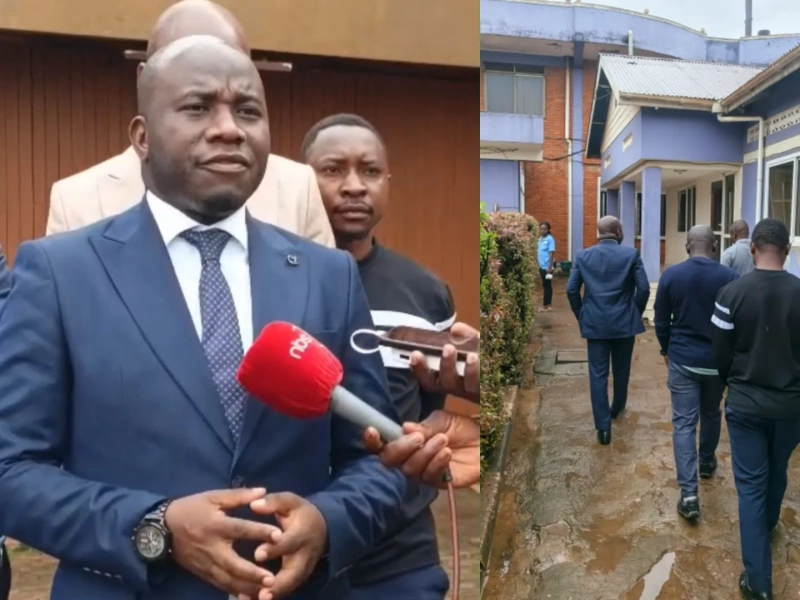
 Four people, including three officials attached to the Kampala Capital City Authority (KCCA) Ministry Zonal Office (MZO), have been remanded to prison over allegations of conspiring to fraudulently acquire and transfer land belonging to a registered proprietor in Munyonyo, Kampala.The accused are Wasswa Charles Jude, a Principal Assistant Secretary; Agaba Ronah, a Government Valuer; Achom Esther, a Data Entry Clerk; and Kizito John, a land dealer.  They were arraigned before the Anti-Corruption Court by the State House Anti-Corruption Unit (SHACU), working in collaboration with the Criminal Investigations Directorate (CID) and the Office of the Director of Public Prosecutions (ODPP).The four face charges relating to abuse of office, criminal conspiracy, forgery and fraudulent procurement of a land title. They were remanded until October 29, 2026.According to the prosecution, the case stems from an alleged scheme in 2024 to irregularly obtain a special certificate of title and facilitate the transfer of land situated at Munyonyo without the knowledge or consent of its registered owner, James Mulebeke. The property, measuring approximately 0.2020 hectares, equivalent to about half an acre, is comprised in Kyadondo Block 255, Plot 532, in Kampala District.Investigations indicate that Mulebeke has been the registered proprietor of the property since 2011.The prosecution alleges that the accused exploited their respective positions and roles in the land administration process to facilitate the purported acquisition and transfer of the property using documents that were allegedly forged.Investigators established that Kizito, the land dealer, initiated the process by providing documents intended to facilitate the processing of a special certificate of title without the knowledge or consent of Mulebeke. Achom, who worked as a Data Entry Clerk at the KCCA MZO, allegedly received the transaction documents and forwarded them to Wasswa for processing.However, the documents were reportedly never officially received at the zonal office, raising questions about how the transaction was initiated and handled within the land administration system.The application for the special certificate of title was allegedly made using forged documents, according to the investigation.Wasswa is accused of using his position to influence Nabukeera Madinah, a Registrar of Titles at the KCCA MZO, to issue the special certificate of title without requiring the registered proprietor to appear physically for identification. Investigators allege that Wasswa told the registrar that he knew the applicant, a claim that reportedly influenced the processing of the title without the usual identification safeguards being followed.The investigation further established that Madinah subsequently approved the transfer of the land to Kizito without the registered owner appearing for identification and without verifying the authenticity of the national identity card and payment receipts for stamp duty and registration fees.  The alleged irregularities raise concerns about compliance with verification procedures intended to protect registered landowners against fraudulent transactions and unauthorised transfers of property.The investigation also questioned the valuation of the property during the alleged fraudulent transaction.Agaba, a Government Valuer, allegedly valued the land at Shs200 million, significantly below its prevailing market value, which investigators estimate to be more than Shs600 million. The difference between the reported valuation and the estimated market value exceeds Shs400 million.  Investigators are examining the circumstances under which the valuation was conducted and its role in the processing of the disputed transaction.The case also names Mulindwa Jude Tadeo, another Government Valuer, who allegedly processed the transaction without payment of the requisite stamp duty.  According to the investigation, the alleged actions of the individuals involved facilitated the irregular issuance of a special certificate of title and the subsequent transfer of the property, potentially prejudicing the interests of Mulebeke, its rightful owner.The prosecution alleges that the accused participated in a criminal conspiracy involving the irregular issuance of the special certificate of title and the fraudulent transfer of the land.In addition to the four people who have been arraigned and remanded, criminal summons have been issued to Nabukeera Hamida and Mulindwa Jude Tadeo in connection with the matter.  The investigation also identifies Nabukeera Madinah, the Registrar of Titles who allegedly approved the issuance of the special certificate of title and the subsequent transfer of the property.The circumstances surrounding the roles of the individuals named in the investigation are expected to be addressed through the ongoing legal proceedings.The case highlights potential vulnerabilities in land registration and transfer processes when verification requirements, document authentication and payment procedures are allegedly bypassed.  The alleged involvement of officials responsible for processing land documents and conducting valuations also raises questions about internal controls and accountability within public institutions responsible for land administration.  Land fraud remains a concern for property owners, particularly where individuals allegedly use forged documents or exploit administrative procedures to obtain titles or transfer registered property without the owners’ consent.The State House Anti-Corruption Unit is pursuing the matter alongside CID and the ODPP as investigations and legal proceedings continue.

Minister Ogwang Clarifies Lubega Nursing Institute Student Fee Dispute, Says 80 Were Affected Education

Minister Ogwang Clarifies Lubega Nursing Institute Student Fee Dispute, Says 80 Were Affected

 Minister of State for Education and Sports (Sports) Peter Ogwang has clarified that 80 students at Lubega Institute of Nursing and Health Professionals in Iganga District were affected by a payment dispute involving forged bank slips, insisting that none of them was suspended or expelled. In a ministerial statement presented to Parliament in October 2026, Ogwang explained that the institution discovered discrepancies between the tuition fees receipted and the amounts credited to its official bank account with Stanbic Bank.According to the statement, the discrepancy was identified in June 2025, prompting the institute to verify the payments made by students. The bank subsequently confirmed that some of the payment slips presented to the institution had been forged.  The institute later reviewed all payment slips presented between January 2025 and June 2026, identifying 80 students whose payments were affected.Management alleged that the students had entrusted their tuition fees to an individual who offered to pay the money on their behalf but instead issued forged payment slips showing amounts higher than those actually deposited. Consequently, the money represented by the forged slips never reached the institute’s official account.  Addressing concerns raised in Parliament on October 13, 2026, Ogwang said the Ministry of Education and Sports shared legislators’ concerns about the interruption of the students’ education, particularly because they were training to serve in the country’s health sector.“The House is right to ask how their studies came to be interrupted,” Ogwang said, assuring Parliament that the Ministry would continue engaging the institution to establish that the matter was handled fairly. The institute’s management disciplinary committee considered the matter on September 4, 2026, followed by top management on September 7 and the Board of Governors on September 8.Following guidance from the Board, the matter was reported to police on September 9, 2026, for investigation.Subsequently, meetings were held on September 11 and October 1, bringing together institute management, the affected students, their parents and police officers to discuss the circumstances surrounding the payments and possible arrangements for settling the outstanding fees. Ogwang told Parliament that, according to the institute, the affected students were asked to return home with their parents to address the outstanding fees because the payments represented by the forged slips had not reached the institution.However, he emphasised that the institute maintained that none of the 80 students had been formally suspended or expelled. The action, according to management, was taken under its fees payment policy and student disciplinary regulations.The statement further indicated that parents experiencing financial difficulties were allowed to pay the outstanding amounts in instalments while their children continued with their studies. Regarding the status of the affected students, 15 had already completed their courses, while 55 were continuing students. The institute reported that nine continuing students had cleared their outstanding fees and resumed their studies, while the remaining affected students were in the process of resolving their balances under agreed arrangements.The institute also indicated that the affected students could return, receive counselling and resume their studies once the agreed payment arrangements were met. No fixed date had been imposed for their return.Meanwhile, police investigations into the alleged forgery have resulted in the apprehension of two principal suspects, who were arrested on October 7, 2026, according to the statement.  The suspects have since been arraigned in court on charges relating to forgery, uttering forged documents and impersonation. The proceedings are ongoing.Ogwang said decisions regarding prosecution and formal arrangements for witnesses remain the responsibility of the relevant investigating and prosecuting authorities.

Speaker Jacob Oboth Calls for Measurable Action as Climate Change Threatens Uganda’s Economy Featured

Speaker Jacob Oboth Calls for Measurable Action as Climate Change Threatens Uganda’s Economy

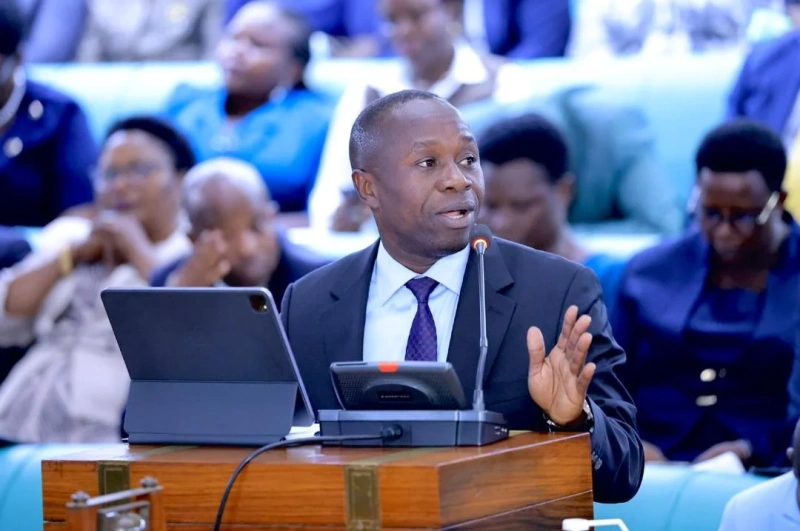
 The Speaker of Parliament, Rt. Hon. Jacob Markson Oboth, has called for urgent and practical action to address the growing effects of climate change in Uganda, warning that environmental shocks are causing serious economic losses, destroying livelihoods and damaging infrastructure built over many years. Oboth said Uganda must move beyond discussions and statistics presented in boardrooms to implement measurable interventions that deliver tangible results in environmental protection, climate resilience and sustainable economic development.He made the remarks while delivering a keynote address at the 3rd CEOs’ Breakfast Meeting and High-Level Dialogue on Green Economy and Environmental Sustainability, held under the theme, “Accelerating Uganda’s Green Economy Transition through Digital Transformation.” The meeting brought together business leaders and other stakeholders to discuss strategies for accelerating Uganda’s transition towards a green economy through sustainable business practices, technological innovation and environmentally responsible investment.In his address, the Speaker emphasised that climate change is no longer a distant environmental concern but a pressing economic challenge with direct consequences for communities, businesses and national development. He observed that environmental shocks are increasingly undermining livelihoods and destroying infrastructure that has taken years to establish, threatening development gains and placing additional pressure on communities that depend on agriculture and other climate-sensitive economic activities.The Speaker warned that continued discussions without corresponding action would do little to protect communities and the economy from the consequences of environmental degradation and changing climatic conditions.  He challenged leaders in government, the private sector and other institutions to translate climate commitments into practical interventions, with clear targets, measurable outcomes and accountability for implementation.Oboth also reaffirmed Parliament’s commitment to supporting Uganda’s climate action agenda through legislation, budgetary allocations and oversight of government programmes aimed at addressing environmental challenges.  He noted that Parliament has an important role in ensuring that the necessary legal and policy frameworks are in place, adequate resources are allocated to climate-related interventions, and public institutions are held accountable for delivering on their commitments.Through its legislative and oversight responsibilities, Parliament can help create an enabling environment for sustainable investments, strengthen environmental governance and support initiatives that protect natural resources while promoting economic growth.  The Speaker’s remarks also highlighted the importance of integrating environmental sustainability into Uganda’s development priorities, particularly as the country seeks to expand economic opportunities, improve infrastructure and strengthen the resilience of communities vulnerable to climate-related shocks.The meeting’s focus on digital transformation underscored the potential role of technology in accelerating the green economy transition. Digital solutions can support environmental monitoring, improve the management of natural resources, strengthen climate information systems and help businesses adopt more sustainable production methods.  For Uganda, where agriculture remains an important source of livelihoods, climate-resilient farming practices, improved access to weather information and sustainable land management are among the approaches that can help communities respond to changing environmental conditions.The private sector is also expected to play a significant role through investments in cleaner technologies, resource efficiency, renewable energy and business models that reduce environmental harm while creating economic opportunities.  However, achieving a meaningful transition requires coordination between government institutions, businesses, financial institutions and communities, alongside effective policies and sustained investment.The CEOs’ Breakfast Meeting and High-Level Dialogue provided a platform for business executives and other stakeholders to examine how digital innovation and environmental sustainability can be integrated into Uganda’s economic transformation agenda.  Oboth’s call placed emphasis on the need to measure progress by the results delivered on the ground, rather than the number of meetings held or commitments announced.His message was that Uganda’s response to climate change must be reflected in protected livelihoods, resilient infrastructure, sustainable investments and practical measures that reduce environmental risks. As the country continues to pursue economic growth, the challenge will be to ensure that development initiatives are accompanied by effective environmental safeguards and that climate action is supported by the laws, budgets and accountability mechanisms required to turn commitments into results.

UNEB Begins UCE Exams for 503,055 Candidates, Warns Against Examination Malpractice Featured

UNEB Begins UCE Exams for 503,055 Candidates, Warns Against Examination Malpractice

 By Mutuunzi SaulThe Uganda National Examinations Board (UNEB) has commenced the 2026 Uganda Certificate of Education (UCE) examinations with a total of 503,055 candidates registered across 4,514 examination centres nationwide, as the Board warns against examination malpractice.UNEB spokesperson Jennifer Kalule Musamba briefed the media at Uganda Police headquarters in Naguru, Kampala, on the start of the examinations for the fourth cohort of learners under the competency-based curriculum.  The examinations are being conducted under the theme, “Advancing Excellence in Assessment and Certification through Secure, Credible, Inclusive and Innovative Processes.”Kalule said candidates began their examinations with Mathematics Paper One in the morning, followed by Chemistry Papers One and Two in the afternoon.She noted that heavy rains had caused flooding on some roads in different parts of the country but said preliminary reports indicated that the examinations had started smoothly nationwide.  Kalule encouraged candidates to remain confident, noting that their preparations and hard work had equipped them with the knowledge and skills needed to perform well.She reaffirmed UNEB’s commitment to conducting valid, reliable, equitable and quality assessments through professional and innovative processes that lead to the award of internationally recognised certificates.  According to UNEB, the number of registered candidates has increased from 432,165 last year to 503,055 this year, reflecting a rise of 70,890 candidates.Of the registered candidates, 264,722 are female, while 238,333 are male. The Board also reported that 187,918 candidates are government-sponsored, compared to 315,132 privately sponsored candidates.To ensure the examinations are conducted securely, UNEB is working with security agencies and contracted professionals. More than 2,000 scouts have been deployed across the country, alongside nearly 600 security personnel.  Kalule warned individuals planning to disrupt the examinations or engage in examination malpractice that they would face the full force of the law.She also cautioned members of the public against joining social media platforms that trade in fake examination papers falsely presented as genuine UNEB materials.Kalule explained that Section 26 of the law provides for penalties against teachers, invigilators, scouts and other individuals who assist candidates to cheat or fail to prevent unauthorised assistance during examinations.Upon conviction, offenders face a fine of up to Shs20 million, imprisonment for up to five years, or both.  She further urged schools to cooperate with the relevant authorities to ensure that all eligible candidates are allowed to sit their examinations, warning that learners prevented from taking the examinations would be required to resit them.UNEB has reiterated the importance of maintaining examination integrity and ensuring that all candidates are assessed fairly as the 2026 UCE examination period gets underway.

© Copyright 2026, All Rights Reserved