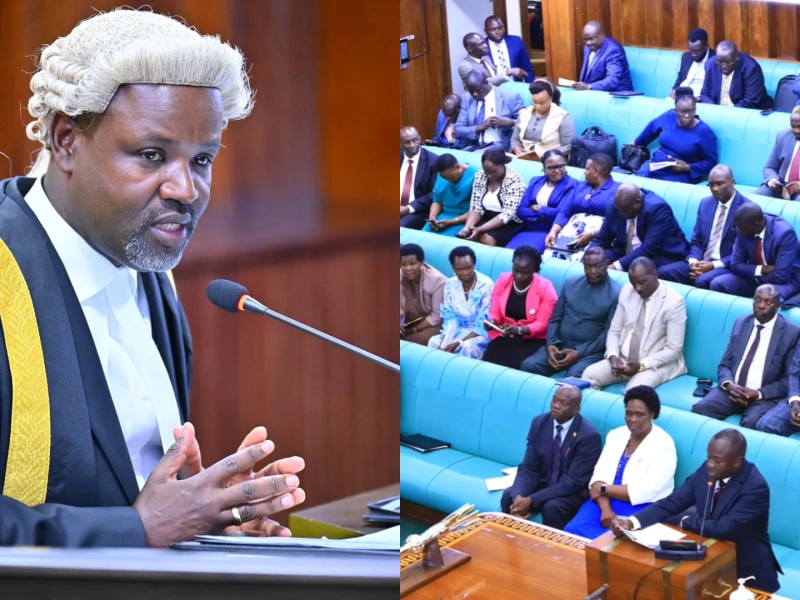
Deputy Speaker of Parliament Thomas Tayebwa has urged Members of Parliament to become ambassadors for cancer screening and early detection in their constituencies as Uganda continues to grapple with a growing burden of the disease.
Tayebwa made the call during his communication from the Chair at Thursday’s plenary sitting, as Breast Cancer Awareness Month came to an end, emphasising the need for leaders to encourage Ugandans to seek early screening and adopt healthier lifestyles.
“As the month comes to an end, we should be ambassadors for early cancer screening and detection,” Tayebwa said.
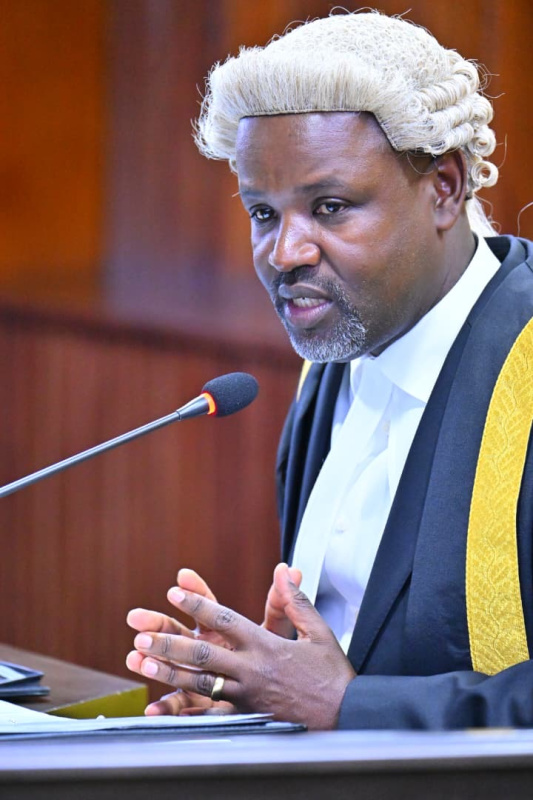
He called on MPs to use their leadership positions and community engagements to mobilise the public to access screening services, noting that early detection can improve treatment outcomes and reduce cancer-related deaths.
“Whenever we have an opportunity in our constituencies, let us encourage everyone to go for cancer screening,” he added.
Tayebwa also urged legislators to sensitise their constituents about lifestyle choices that can increase the risk of cancer, particularly smoking and excessive alcohol consumption, while promoting healthier living.
“We should sensitise people on health and lifestyle choices by encouraging them to avoid behaviours that increase cancer risk, such as smoking and drinking alcohol,” he said.
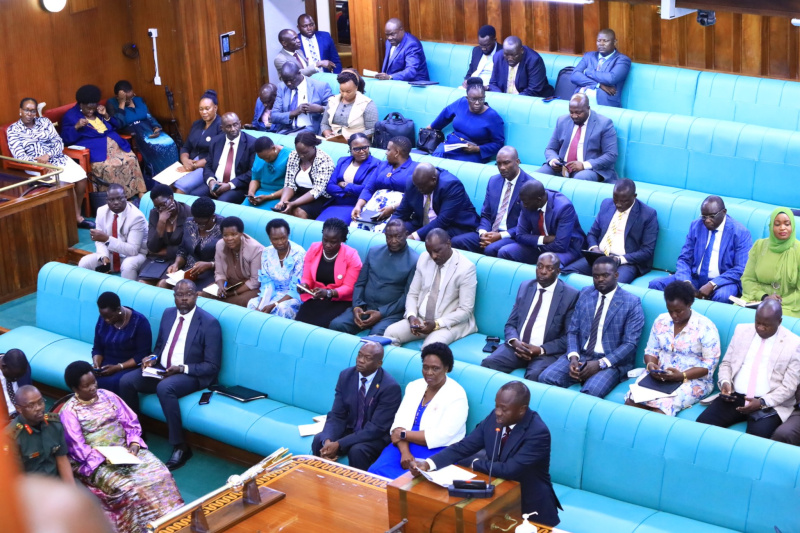
The Deputy Speaker noted that Uganda registers more than 30,000 cancer cases annually, with the burden of non-communicable diseases continuing to rise.
Cancer remains a major public health concern in Uganda, partly because many patients seek medical attention when the disease has already reached advanced stages, reducing their chances of successful treatment and contributing to high mortality rates.
Cervical cancer is the most common cancer among women in Uganda, followed by breast cancer, while prostate cancer leads among men, followed by oesophageal cancer.
Tayebwa’s remarks come amid ongoing efforts to expand cancer diagnosis and treatment services beyond the country’s main specialised facilities. He noted that the government was decentralising cancer services through the construction and equipping of four regional cancer centres to bring specialised care closer to patients.
However, legislators raised concerns about the long distances patients continue to travel to access screening, diagnosis and treatment, particularly those living far from regional referral centres.
Bukooli County Central Member of Parliament Solomon Silwany called on the government to update Parliament on its proposal to extend cancer screening services to district-level hospitals.
Silwany said many Ugandans were struggling to access cancer services because of the cost and inconvenience of travelling long distances to regional centres, calling for more accessible services across the country.
“Ugandans are really suffering and travelling long distances to go to the regional centres for cancer,” Silwany said.
Responding to the concerns, immediate former Minister of Health and Government Chief Whip Jane Ruth Aceng acknowledged the challenges faced by cancer patients, particularly those who must travel from their constituencies to access specialised services.
Aceng said the Uganda Cancer Institute conducts community outreach programmes aimed at taking cancer screening services closer to the population, helping to reduce some of the barriers that prevent people from seeking early diagnosis.
“It is true the burden of cancer is big and many of our people are suffering from all the constituencies. They have to walk or get transport to move long distances to access cancer services,” Aceng said.
She further revealed that the government planned to establish cancer units or institutes in all 18 regions of Uganda under the National Resistance Movement (NRM) manifesto, in a move intended to improve geographical access to cancer diagnosis and treatment.
Aceng reported that cancer service expansion was already progressing in some parts of the country, citing developments in the Acholi sub-region, the ongoing work in the Mbale sub-region, the facility in Ankole sub-region based in Mbarara, and plans for another centre in the West Nile sub-region.
“So far, we have in Acholi sub-region, Mbale sub-region is ongoing, Ankole sub-region in Mbarara and one will be in West Nile sub-region,” she said.
According to Aceng, establishing and equipping cancer treatment facilities requires substantial financial resources, making cooperation between the Executive and Parliament essential to mobilising the funding needed to expand services.
She expressed confidence that the government would fulfil its commitment to establish cancer facilities across all 18 regions, in line with the NRM manifesto.
“Every region will be covered and that also goes for the cancer institutes in every region. It is in the manifesto and I believe it will be implemented,” Aceng said.
The discussion highlighted the need to combine public awareness campaigns with investment in accessible screening, diagnosis and treatment services. While Tayebwa called on MPs to use their influence to encourage early screening, legislators also pressed for more services closer to communities to reduce the financial and logistical burden on patients.
Expanding regional cancer services, alongside community outreach and public sensitisation, is expected to play an important role in improving early detection and access to treatment. However, the government’s ability to establish and equip facilities across all 18 regions will depend on sustained funding and implementation of its commitments.