The Ministry of Education and Sports has outlined strict requirements for schools operating boarding sections, emphasising learner safety, proper infrastructure and compliance with approved standards while clarifying that boarding must not undermine free basic education under Universal Primary Education (UPE) and Universal Secondary Education (USE).
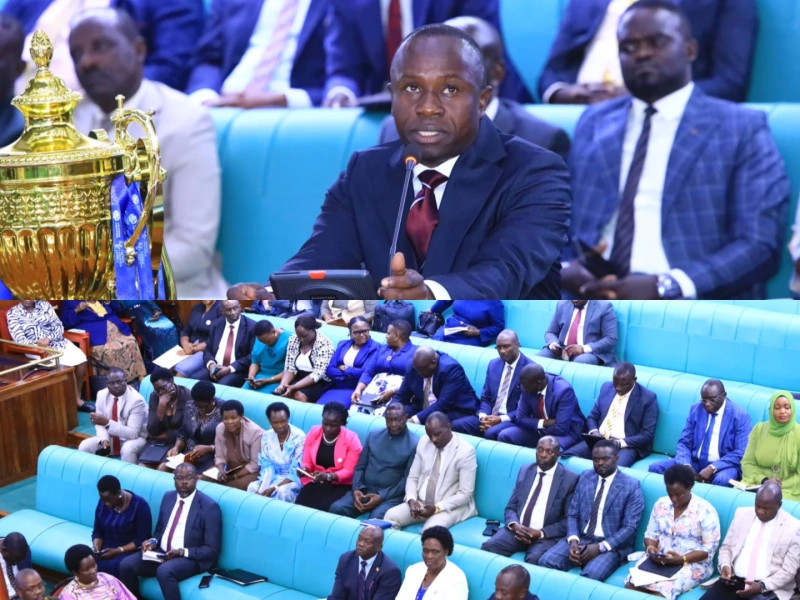
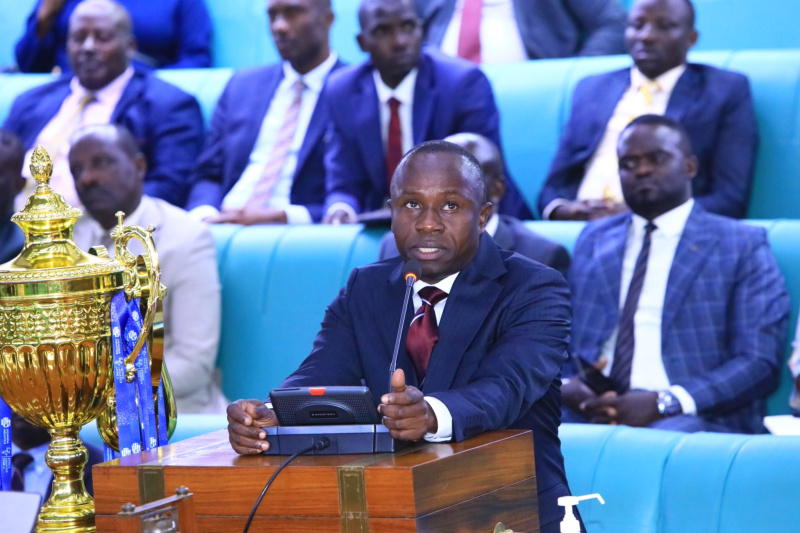
The requirements were presented to Parliament in October 2026 by the Minister of State for Education and Sports (Sports), Peter Ogwang, who said the Ministry is committed to ensuring that every learner studies in a safe, healthy and supportive environment.
The Ministry requires all schools to obtain official approval before operating boarding sections and comply with established guidelines governing infrastructure, fire safety, sanitation, security, staffing and the general management of boarding facilities.
The Ministry has raised concern over schools operating boarding sections without approval, including cases where classrooms and other facilities intended for teaching and learning are converted into dormitories.
Under the requirements, classrooms, laboratories, libraries, halls and other instructional facilities must remain dedicated to their intended educational purposes and should not be used to accommodate boarding learners. Dormitories must be purpose-built or otherwise lawfully approved for residential use.
Schools seeking to operate boarding sections must demonstrate that they have adequate infrastructure, trained personnel, sufficient financial arrangements and effective systems to protect learners from abuse and other risks.
The facilities must also provide adequate sleeping space, proper ventilation, sufficient sanitation facilities and emergency exits. Schools are further required to install appropriate fire prevention and response equipment, maintain safe electrical installations and ensure that learners receive proper supervision.
In addition, boarding institutions must maintain acceptable standards of food, nutrition and hygiene, with clear arrangements for the financing, maintenance and regular inspection of their facilities.
To strengthen the regulation and management of educational institutions, the Ministry has issued guidelines for operating boarding sections in schools and institutions, alongside the 2026 Basic Requirements and Minimum Standards. These instruments provide a framework for assessing school facilities and ensuring compliance with established safety and management standards.
The Ministry has also clarified that boarding arrangements in schools implementing Universal Primary Education and Universal Secondary Education must not undermine the Government’s commitment to providing equitable access to free basic education.
The UPE and USE programmes were introduced to reduce financial barriers that prevent children, particularly those from disadvantaged households, from accessing education.
Consequently, the Ministry has stated that boarding in UPE and USE schools must be voluntary and must not be imposed on learners. Boarding arrangements and related charges must not create barriers that prevent children from benefiting from free basic education.
Schools are also prohibited from diverting resources intended for teaching and learning to unauthorised boarding operations.
The Ministry further cautioned against expanding boarding capacity simply to increase enrolment, generate revenue or justify the diversion of public funds away from their intended purposes.
To ensure that boarding services remain necessary and beneficial to learners, the Ministry will periodically review the need for boarding facilities in authorised UPE and USE schools. Where the need no longer exists, a school may be required to restructure or discontinue its boarding section.
The Ministry recognises that boarding facilities play an important role in supporting learners who live far from schools, those in hard-to-reach areas, learners with disabilities who require specialised arrangements, and other vulnerable children who face difficulties travelling to and from school daily.
However, the Ministry maintains that such services must be properly authorised, adequately resourced, regularly inspected and managed in the best interests of learners.
It has pledged to strengthen the regulation, inspection and enforcement of boarding school standards, requiring institutions to address any identified gaps and taking appropriate action against facilities operating unlawfully or exposing learners to unacceptable risks.
The Ministry emphasises that expanding access to education must go hand in hand with protecting the safety, dignity and welfare of every learner.
While boarding remains an important option for learners who need it, it must not expose children to danger, replace essential teaching facilities or introduce unlawful financial barriers to education.
Through the strengthened requirements, the Ministry of Education and Sports aims to promote safer boarding environments, protect public education resources and ensure that schools provide quality education in line with national standards.