
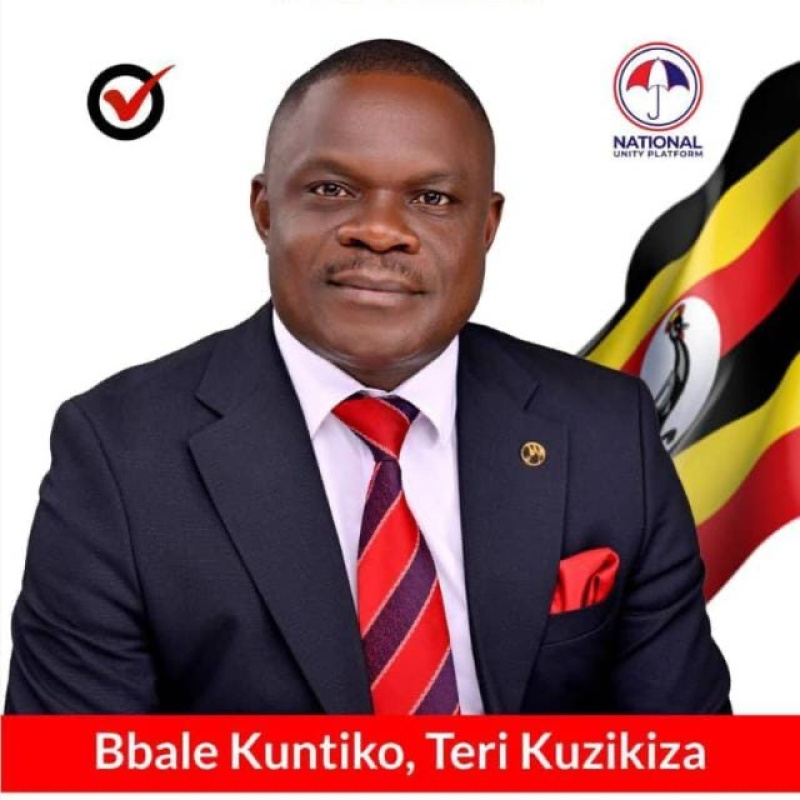
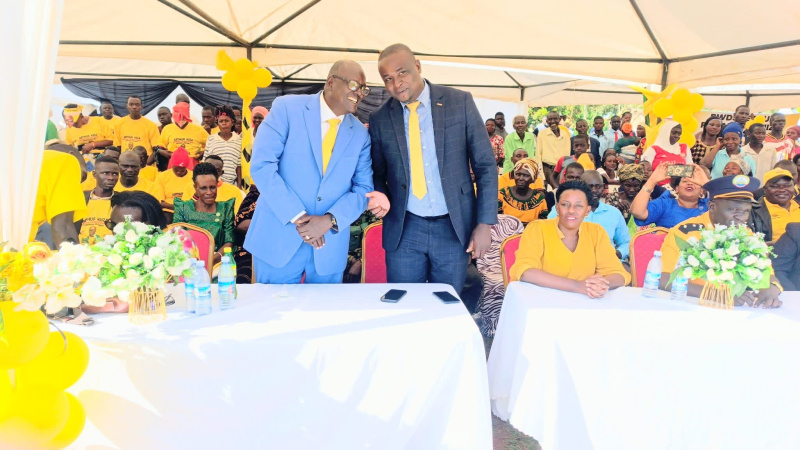
Kayunga-The parliamentary election petition filed by Kiiza Arthur challenging the victory of Hon. Tebandeke Charles in the January 15, 2026 Bbaale County elections is increasingly being viewed as legally weak and unlikely to overturn the results.
Kiiza, who lost with 12,246 votes against Tebandeke’s 17,597, alleges that the election was marred by sectarianism and defamatory statements during the campaign, relying on Sections 41(1) and 92(1) of the Parliamentary Elections Act. However, legal scrutiny suggests the petition struggles to meet the strict standards required to nullify an election.

A central issue lies in Article 28(12) of the Constitution, which protects individuals from being penalized for offences not clearly defined and proven under the law. While the cited provisions address sectarianism and false statements, they already prescribe specific penalties. The petition instead seeks annulment of the election, yet fails to demonstrate how the alleged conduct meets the legal threshold to invalidate results.
Much of the evidence presented is also problematic. The case relies heavily on alleged video recordings circulated on platforms like TikTok and WhatsApp, as well as statements made at public events such as the burials of Nagitta Joyce and Dan Lutazibwawo and rallies at Kisalizi Trading Centre. However, there is limited identification of witnesses, no clear authentication of the recordings, and significant reliance on second-hand accounts—raising concerns of hearsay.
The defence for Hon. Tebandeke is expected to argue that the statements attributed to him fall within the bounds of political speech, which courts often treat with caution unless clear intent, falsity, and impact are proven. In election law, it is not enough to show wrongdoing; a petitioner must demonstrate that the alleged acts substantially affected the final outcome. Given the margin of over 5,000 votes, establishing such influence will be difficult.
Additionally, the petition appears to lack precision in linking the alleged statements to actual voter behavior. Without credible, direct evidence showing that voters were misled in a decisive way, the court is unlikely to disturb the declared result.
From both a legal and practical standpoint, the petition faces major hurdles: ambiguity in its framing, weak evidentiary grounding, and failure to meet the high burden required to nullify an election. These weaknesses significantly strengthen Hon. Tebandeke’s defence.
As the case unfolds, the balance appears tilted in favor of maintaining the status quo. Unless new, compelling evidence emerges, the petition is unlikely to succeed, leaving Hon. Tebandeke Charles’ parliamentary seat intact.